Why Parents Are Punished If A Minor Causes A Road Accident: What The Law Says
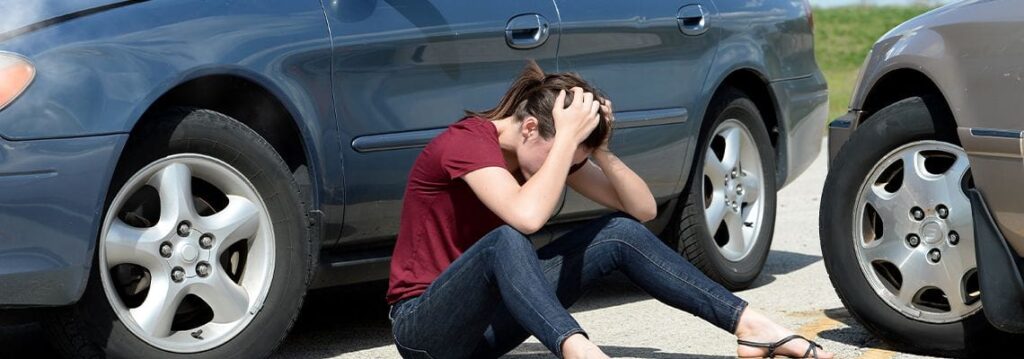
Why Parents Are Punished If A Minor Causes A Road Accident: What The Law Says
Under the Motor Vehicles Act, responsibility does not stop with the underage driver — guardians and vehicle owners can also face strict action.
A recent fatal crash in Delhi’s Dwarka, where a minor allegedly driving a speeding Scorpio killed a 23-year-old motorcyclist, has once again raised an important legal question: why are parents held responsible when the child was behind the wheel?
Indian law treats underage driving as a serious offence because minors are not legally permitted to operate most vehicles. When they do, accountability extends beyond the child to the adult who allowed access.
What the Motor Vehicles Act says

Under the Motor Vehicles Act, driving is allowed only after meeting legal age requirements:
Most licences are issued only after 18 years
At 16 years, a licence is allowed only for gearless two-wheelers up to 50cc
If a minor is found driving outside these limits, the offence is treated as a violation with strict penalties.
Section 199A: Parents and owners can be liable
The key provision is Section 199A, which clearly states that if a minor drives a vehicle, the guardian or vehicle owner is responsible.
The legal reasoning is simple:
If a child is not eligible to drive, how did they get the vehicle?
If it is proven that the vehicle was knowingly given to the minor, or supervision was negligent, the guardian can face criminal consequences.
Possible punishment for parents or owners
The law allows for:
Imprisonment up to 3 years
Heavy fines
Cancellation or suspension of the vehicle’s registration
Legal proceedings against the guardian or owner
The aim is to ensure families do not treat underage driving casually.
Why arrest is not automatic in every case
Even though the law is strict, immediate arrest of parents is not mandatory in every incident.
Investigators usually examine:
Did the parents hand over the keys knowingly?
Did the minor take the vehicle without permission?
Were there earlier incidents of reckless driving?
Did the family attempt to prevent it?
If direct negligence is not clearly established, arrest may be avoided, but legal action and fines can still follow.
Penalties for minors as well
A minor caught driving illegally may face long-term consequences, including:
Delayed eligibility for a driving licence — in some cases, only after 25 years of age
This acts as a deterrent against early, unsafe driving habits.
Why the law is designed this way
Authorities say the purpose is not only punishment, but prevention.
Minors often lack proper training, maturity and judgement, which increases the risk of fatal accidents. By holding parents accountable, the law pushes families to ensure children do not access vehicles before they are legally and mentally ready.
Underage driving is not just a traffic violation — it is a public safety issue, and Indian law places responsibility on both the minor and the adults in charge.
Disclaimer: This article is for general legal awareness only. For case-specific advice, readers should consult a qualified legal professional or traffic authority.