Why PNG Supply Remained Stable Despite LPG Disruptions During Global Crisis
Pipeline-based delivery, domestic production and storage systems helped ensure uninterrupted gas supply to households
As global tensions in West Asia disrupted fuel supply chains, several parts of India witnessed LPG shortages, long waiting times and booking delays. However, Piped Natural Gas (PNG) supply remained largely unaffected, offering relief to households connected to the network.
The contrast between LPG and PNG availability during the crisis highlights key differences in how the two fuels are sourced, stored and delivered.

India depends heavily on LPG imports, with over 60 per cent of its requirement sourced from abroad. A significant portion of these imports passes through the Strait of Hormuz, a critical route that becomes vulnerable during geopolitical conflicts. Disruptions in this region directly impact LPG availability in the country.
In comparison, PNG relies more on domestic natural gas production and diversified supply sources. Major production hubs like the Krishna-Godavari basin, along with output from states such as Assam and Tripura, contribute significantly to India’s gas supply. This reduces dependency on volatile international routes.
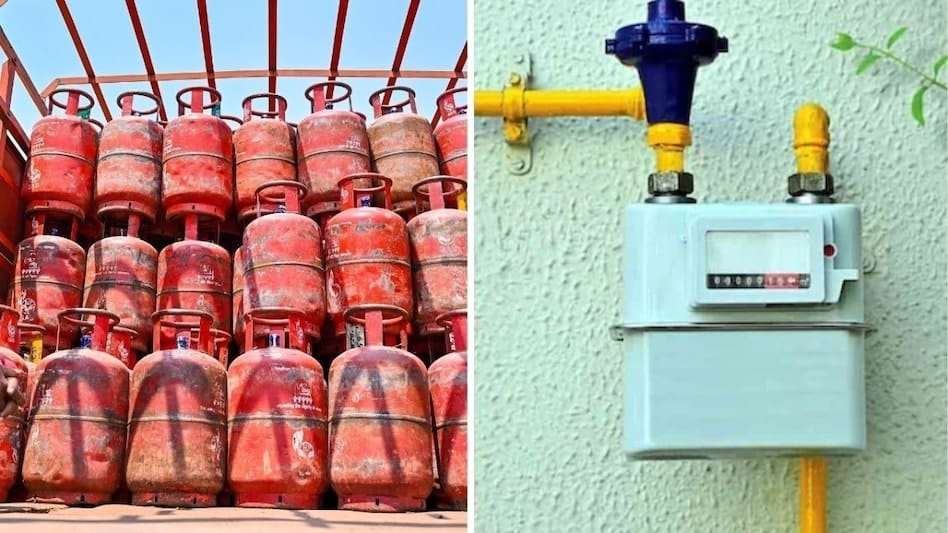
Another major factor is the method of delivery. LPG is distributed through cylinders that require transportation, storage and regular refilling. This makes the system more sensitive to logistical disruptions. PNG, on the other hand, is supplied directly to homes through underground pipelines, ensuring a continuous and stable flow without the need for physical delivery.
Infrastructure also plays a key role. India has developed LNG terminals and storage facilities that act as buffers during supply disruptions. These reserves help maintain supply for extended periods even if imports are temporarily affected.
Additionally, the government has been actively promoting PNG connections in urban areas to reduce dependence on LPG cylinders. During the recent crisis, authorities prioritised PNG supply to households while also taking steps to boost domestic LPG production and regulate bookings to prevent panic buying.
PNG is primarily composed of methane and is considered safer and more convenient due to its direct supply system. LPG, which consists of propane and butane, remains widely used but is more dependent on transportation and imports.
To get a PNG connection, consumers need to check availability in their area, apply through the local gas distribution company, complete KYC verification and allow installation of pipelines and meters. Once activated, the connection provides uninterrupted gas supply without the need for cylinder refills.
The recent situation has reinforced the importance of strengthening domestic energy infrastructure and expanding pipeline networks, as India moves towards more reliable and resilient fuel supply systems.