Why Sharing Kids’ Photos On Social Media Can Be Risky?
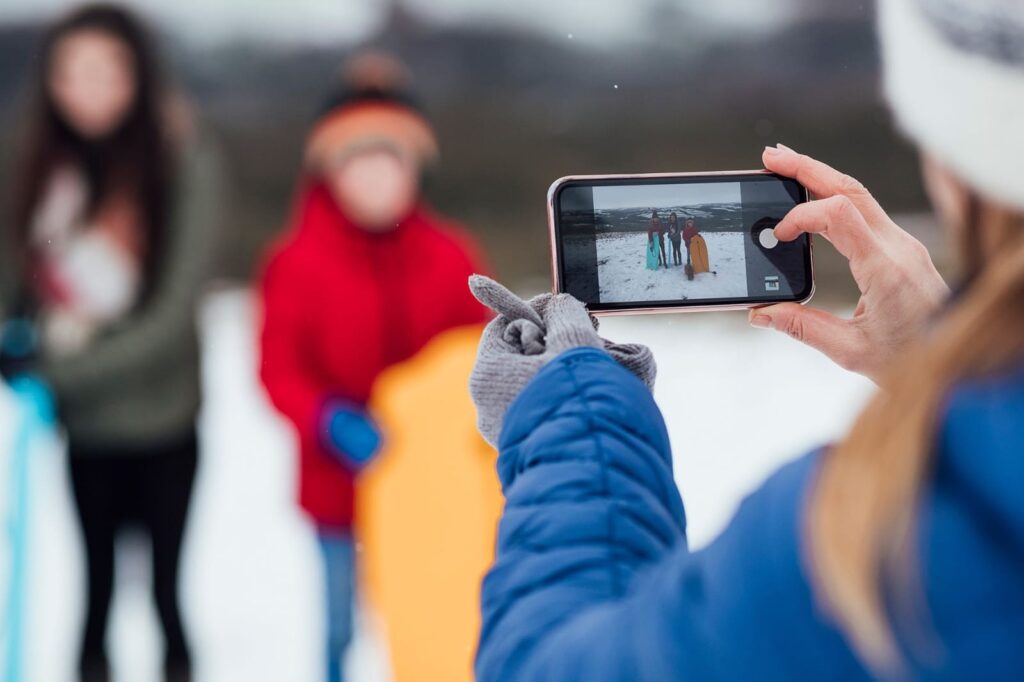
Why Sharing Kids’ Photos On Social Media Can Be Risky?
From digital footprints to deepfake misuse, experts urge parents to think twice before posting children’s pictures online
Sharing children’s photos on social media has become common during festivals, birthdays and school events. For most parents, it is a way to celebrate milestones and spread happiness. However, experts warn that this seemingly innocent act can sometimes expose children to serious risks.
While posting pictures may feel harmless, it can unintentionally reveal personal details about a child’s life — including school, location, routine and family background.
How Photos Can Be Misused

Even with strict privacy settings, images uploaded on social media platforms can be downloaded, copied or misused. In several cases, children’s photos have been stolen and reposted through fake profiles.
Experts caution that such images can be used to create false identities, operate fake accounts or even circulate on unsafe platforms. With advancements in artificial intelligence, there is also concern that innocent pictures could be manipulated into deepfake or inappropriate content.
The Permanent Digital Footprint
Every image shared online contributes to a child’s digital footprint. Once uploaded, content can remain accessible for years, even if later deleted.
When children grow up, they may feel uncomfortable about certain childhood photos being publicly visible. Images shared without their consent could affect their confidence, social relationships or professional life in the future.
Location And Safety Risks
Parents often overlook small but critical details in photos — such as school uniforms, identifiable landmarks, house numbers or live location tags. These details can make it easier for strangers to trace a child’s whereabouts.
Posting check-ins from parks, tuition classes or residential areas can increase the risk of stalking or other unsafe situations.
Psychological Impact On Children
Frequent sharing can also affect a child’s mental well-being. When children see their pictures receiving likes and comments, they may begin to associate self-worth with online validation. Over time, this can create unhealthy dependence on social media approval.
Experts stress that children should not grow up feeling that every moment of their life is meant for public display.
How Parents Can Share Safely
Before posting, parents are advised to ask whether the image respects the child’s dignity and privacy. Avoid sharing photos taken in private spaces such as bathrooms, bedrooms or changing rooms.
For older children and teenagers, taking consent seriously is essential. Parents should also review privacy settings regularly and avoid sharing pictures in public groups, contests or unknown platforms.
In today’s digital world, online safety is a crucial part of parenting. A simple pause before clicking “post” can go a long way in protecting a child’s privacy, security and future well-being.
Disclaimer: This article is for general awareness about online child safety. Parents are encouraged to follow platform-specific safety guidelines and consult digital security experts when necessary.