Why This Bright Tropical Flower Behind PM Modi and President Putin Stood Out — Aesthetic Choice or Symbolic Message?
Why This Bright Tropical Flower Behind PM Modi and President Putin Stood Out — Aesthetic Choice or Symbolic Message?
Bright tropical flower sparked curiosity, subtly reflecting renewal, warmth and continuity in India–Russia ties.
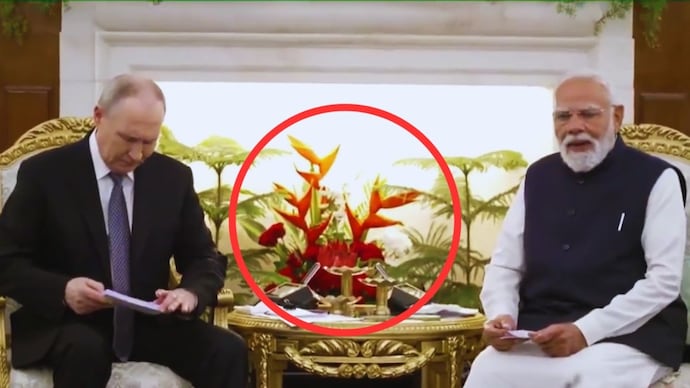
When Prime Minister Narendra Modi met Russian President Vladimir Putin during their bilateral talks at Hyderabad House, discussions revolved around major global and strategic issues, including the Ukraine conflict and long-standing India–Russia cooperation. Yet, beyond the policy dialogue, it was a visual detail in the background that caught the public eye a striking Heliconia plant placed prominently behind the two leaders.
Images from the meeting quickly went viral, prompting curiosity about whether the vivid red-and-yellow tropical plant was simply decorative or carried deeper meaning. In diplomacy, visual symbolism is rarely accidental. Elements such as flowers, colours, and even seating arrangements are carefully curated to quietly reinforce the mood and message of high-level engagements.
The plant seen during the meeting was identified as Heliconia, commonly known as the “Lobster Claw” or “False Bird of Paradise.” Known for its upright structure and vibrant, long-lasting bracts, Heliconia is widely associated with positivity, growth and renewal. Its presence added warmth to the setting and softened the formal atmosphere of the summit.

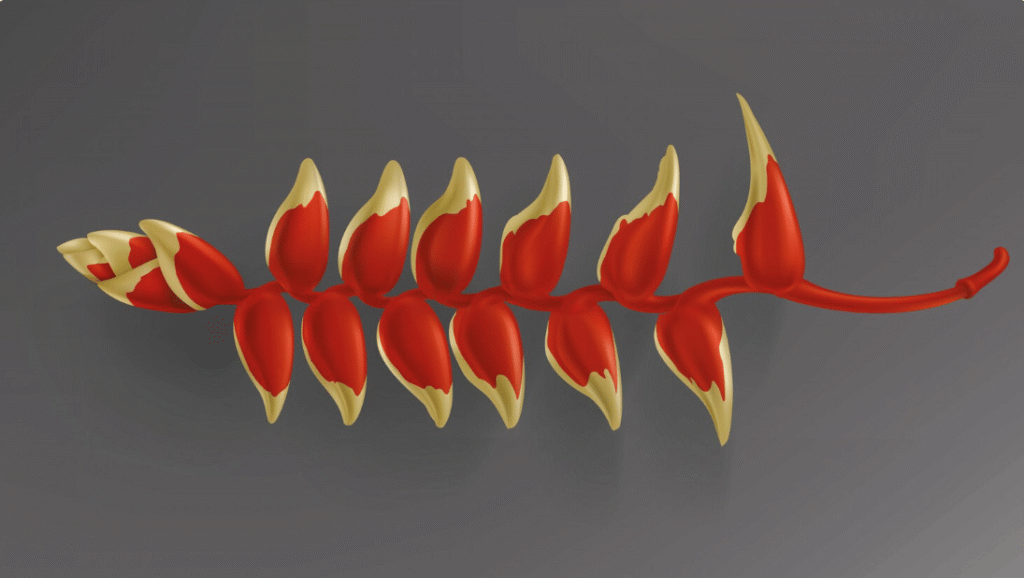
In Feng Shui, an ancient Chinese practice focused on balancing energy flow, Heliconia is believed to promote prosperity, vitality and harmony. The plant is traditionally recommended for placement in the southern direction, symbolising progress and forward movement. These associations made its appearance during the Modi–Putin meeting particularly notable, especially at a time when global geopolitics faces significant strain.
Observers noted that the Heliconia’s symbolism aligned closely with the broader tone of the talks — one of continuity and stabilisation in bilateral relations despite ongoing international turbulence. The plant’s upward growth pattern and bold colours subtly echoed themes of optimism, resilience and mutual respect.
Diplomatic messaging through visual cues is not uncommon during state meetings, but the choice of a tropical flowering plant stood out because such backdrops typically lean toward neutral arrangements. Its inclusion sparked discussion precisely because of its departure from convention, encouraging interpretations that the meeting was aimed not only at strategy but also at reinforcing long-term goodwill.
Adding to the sense of warmth around the visit was Prime Minister Modi’s decision to personally receive President Putin at the Delhi airport. Under standard protocol, the Russian leader would typically have been welcomed by External Affairs Minister S Jaishankar. Instead, Modi greeted Putin himself, embracing him in what Russian officials later described as a “warm” and “personal” gesture.
Together, the airport reception and the carefully chosen visual elements at Hyderabad House created a broader narrative of familiarity and trust. Whether intentional or coincidental, the Heliconia plant became a quiet but powerful symbol during the talks suggesting renewal, balance and an ongoing commitment to partnership at a moment of global uncertainty.
In diplomacy, even a single detail can speak volumes. In this case, a plant did just that.