Why You Shouldn’t Pack a Coconut When Flying — And What Foods You Can Carry Instead
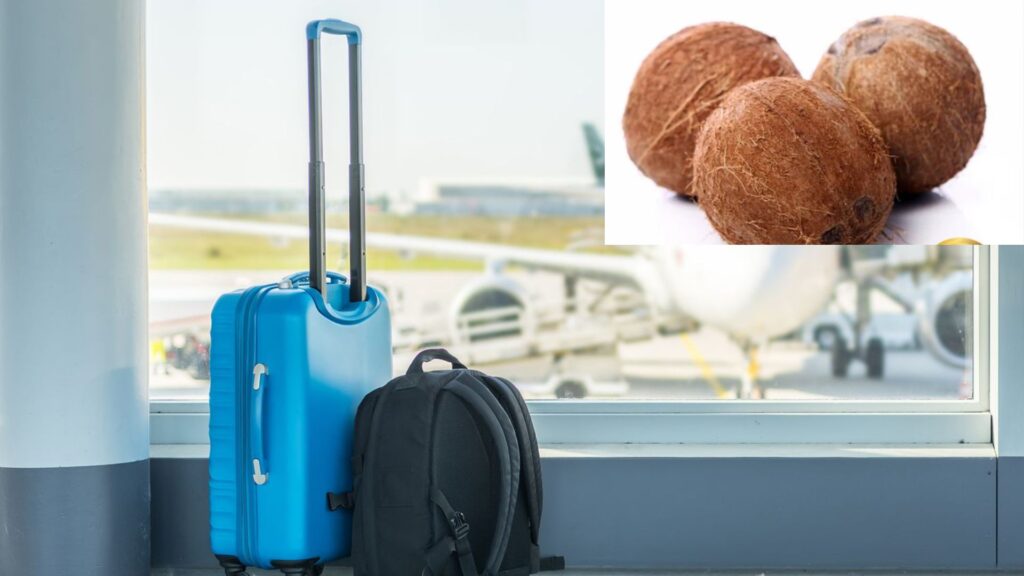
Why You Shouldn’t Pack a Coconut When Flying — And What Foods You Can Carry Instead
Flying can be exciting, especially if you’re heading off on a vacation or returning home with something special in your bag. But with every trip comes a list of dos and don’ts — and some might surprise you. While you probably already know that carrying sharp items or too much liquid is a no-go, did you know that coconuts are also banned on flights? It might seem odd at first — after all, it’s just a fruit — but there’s more to it than meets the eye.
Whether you’re travelling with temple offerings, bringing food from home, or packing snacks for the journey, here’s what you really need to know about why coconuts aren’t allowed on planes, and which food items are perfectly fine to carry instead.
The Real Reason Coconuts Are Banned on Planes

At first glance, a coconut might seem harmless. But it turns out that dry coconuts — especially whole or in the form of dried copra — can pose serious safety risks. Airlines have strict rules in place, and for good reason.
Responding to a user on social media platform X, IndiGo Airlines shared the following statement:
“Dry coconut is a highly flammable object; hence, carrying it in check-in luggage is not permitted.”
The core issue lies in the oil-rich content of dried coconuts. Coconut oil is a highly flammable substance, and dried coconuts are known to spontaneously combust under certain conditions. This makes them a fire hazard, particularly in the closed, pressurised environment of an aircraft. As a result, these items are off-limits — both in cabin and checked luggage.
Checked Luggage Rules — Are Any Coconuts Allowed?
When it comes to checked baggage, rules remain fairly rigid. You cannot pack whole coconuts or dried copra, as they are considered dangerous goods. However, some airlines, like SpiceJet, have made a small allowance.
According to SpiceJet’s official guidelines:
“Coconut is only permitted for carriage in checked-in baggage if cut into small pieces.”
So yes, you might be able to carry coconut — but only if it’s raw, cut into pieces, and securely packed. That said, it’s always best to double-check with your airline before packing it, just to avoid last-minute hassles at the airport.
What If You Carry a Coconut Anyway?
If you pack a whole or dried coconut despite the ban, airport security is likely to seize it during luggage screening. In domestic airports, this typically results in confiscation. However, on international flights, the consequences can be more severe, including warnings, fines, or even delays, especially if the item is flagged under dangerous goods.
According to The Independent, the International Air Transport Association (IATA) lists dried coconut meat under its Dangerous Goods Register as a “flammable solid.”
These products can even emit flammable gases when they come into contact with water, and coconut dust has been known to ignite with just a spark.
That said, not all coconut products are banned. Sealed commercial items such as coconut milk cartons or coconut powder are generally allowed — as long as they comply with the usual restrictions for liquids and food packaging.
Do Coconut Restrictions Vary by Country?
While the IATA guidelines apply worldwide, individual airlines and countries may set additional rules. For instance, what’s allowed on a domestic Indian flight might not be permitted when flying from the UK or US. In every case, it’s smart to check with your airline’s official website or customer service before packing anything questionable.
Foods You Can Carry in Your Cabin Bag
Knowing what not to pack is helpful — but what can you bring with you in your hand luggage? Here are a few food items that are generally allowed on board and make for great travel snacks:
1. Honey (up to 100 ml)
Small quantities of honey are permitted, as long as they are packed in sealed containers and placed inside a clear plastic bag. Keep it under the liquid limit.
2. Water or Soft Drinks (up to 100 ml)
You can carry small, sealed bottles through security, but anything larger will be taken away. It’s often easier to buy drinks after clearing security.
3. Biryani and Other Solid Meals
Yes, you can carry cooked meals! Just avoid anything too saucy or liquid-based. Use airtight, leak-proof containers to prevent any mess.
4. Cakes and Dry Sweets
Bakery items like sponge cake or Indian mithai are perfectly fine. Pack them neatly in boxes or tins so they survive the trip without falling apart.
5. Fresh Fruits and Dry Snacks
Simple snacks like nuts, apples, bananas, or cucumber slices are convenient and easily pass through security without any fuss.
Foods You Cannot Bring in Cabin Luggage
Some foods are not just inconvenient — they’re completely restricted. Here’s what you should avoid packing in your carry-on:
1. Fish and Meat (Raw)
Raw meat or seafood is not allowed due to hygiene risks and strong odours that could affect fellow passengers.
2. Coconut (Whole or Dried)
Whether it’s a green tender coconut or a dried one, it’s banned due to its flammable nature — a safety risk the airlines don’t take lightly.
3. Pickles (like spicy chilli pickle)
Because pickles have a lot of liquid and a strong aroma, they’re usually not allowed in cabin bags. Leakage can also cause issues mid-flight.
4. Raw Rice or Pulses
These may seem safe, but they’re often flagged during security checks. Their small size and density can interfere with scanning equipment.
5. Spices (Whole or Powdered)
Strong-smelling spices can confuse scanners and set off alarms. They’re also easily mistaken for prohibited powdered substances.
What Can Go in Your Checked-in Bags?
While carry-on rules are tight, checked baggage offers a bit more freedom. Here’s what’s usually allowed:
Sealed jars of pickles or sauces (as long as they are packed properly)
Vacuum-packed meat or seafood (check airline and destination country rules)
Cooking oils within airline-specified limits
Raw fruits and vegetables (but beware of international customs rules, especially in the US, Australia, and the EU)
As always, ensure these items are tightly sealed and well-padded to avoid spillage or damage during transit.
While coconuts may seem like a harmless addition to your luggage — especially for religious or cultural reasons — the safety risks they carry are real. With high flammability, potential for combustion, and international guidelines backing the restrictions, it’s just not worth the trouble.
Instead, opt for travel-friendly foods that are airline-approved and hassle-free. Packing smart not only saves time at security but also ensures you and your fellow passengers have a smooth and safe journey. When in doubt, check with your airline — and remember: not every fruit belongs in the sky.