Winter Escape Near Pune: Discover Best Budget Friendly and Mesmerizing Scenic Hill Station
Winter Escape Near Pune: Discover Best Budget Friendly and Mesmerizing Scenic Hill Station
A perfect weekend getaway nestled in the Sahyadri mountains offers history, adventure, and natural beauty
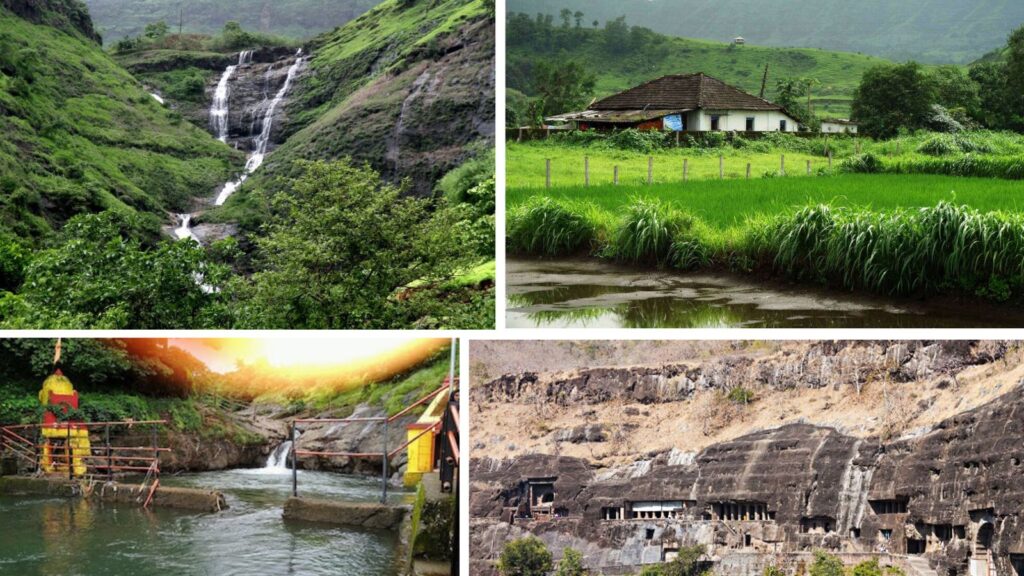
As winter settles over Maharashtra, travelers seeking respite from urban chaos are turning their attention to Karjat, a picturesque hill station tucked away in the Raigad district. Located just 67 kilometers from Mumbai and 105 kilometers from Pune, this charming destination offers a perfect blend of natural splendor, historical significance, and adventure activities during the pleasant winter months.
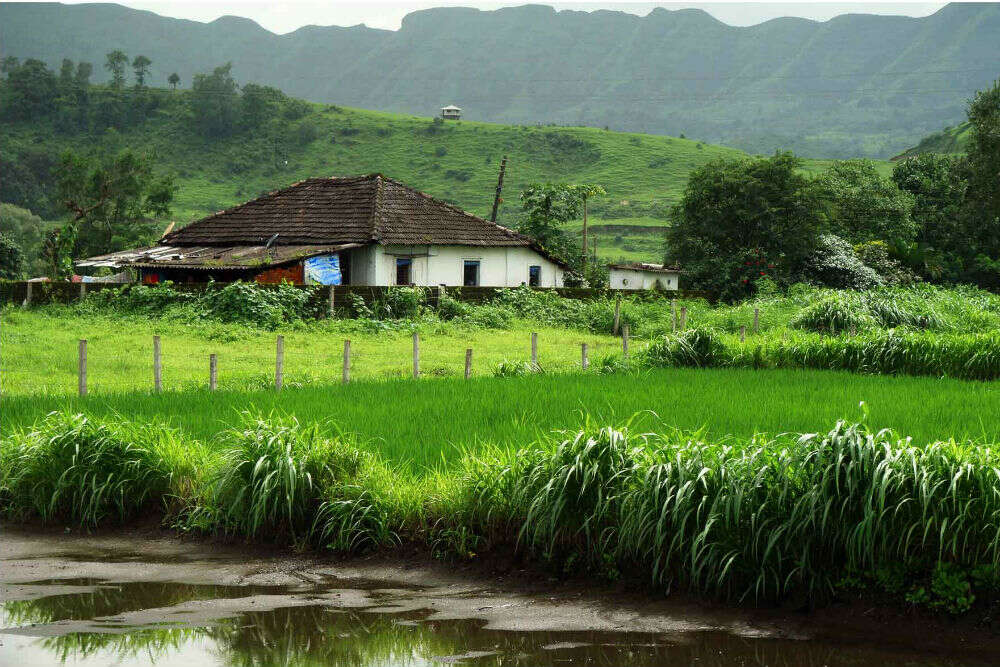
The winter season, spanning from October to February, transforms Karjat into an ideal destination for outdoor enthusiasts and nature lovers. With temperatures ranging between 11 to 27 degrees Celsius, the weather remains comfortable throughout the day while offering cool, crisp evenings perfect for bonfires and stargazing. Unlike the monsoon months when the region experiences heavy rainfall, winter provides clear skies and excellent visibility for trekking and photography.
Gateway to Natural Wonders
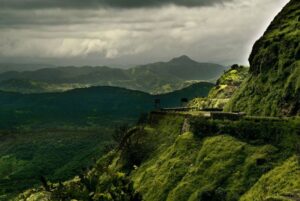
Karjat’s landscape is dominated by the majestic Sahyadri mountain ranges, with the gurgling Ulhas River flowing through the town. The region’s lush vegetation, scenic valleys, and cascading waterfalls create a breathtaking backdrop for visitors seeking tranquility away from metropolitan pressures.

The Ulhas Valley stands as one of Karjat’s crown jewels, boasting remarkable biodiversity with varied flora, fauna, and birdlife. Nature enthusiasts can spend hours exploring the valley’s walking trails while photographers capture the stunning interplay of light across the valley’s contours during winter mornings.
Historical Treasures and Ancient Architecture
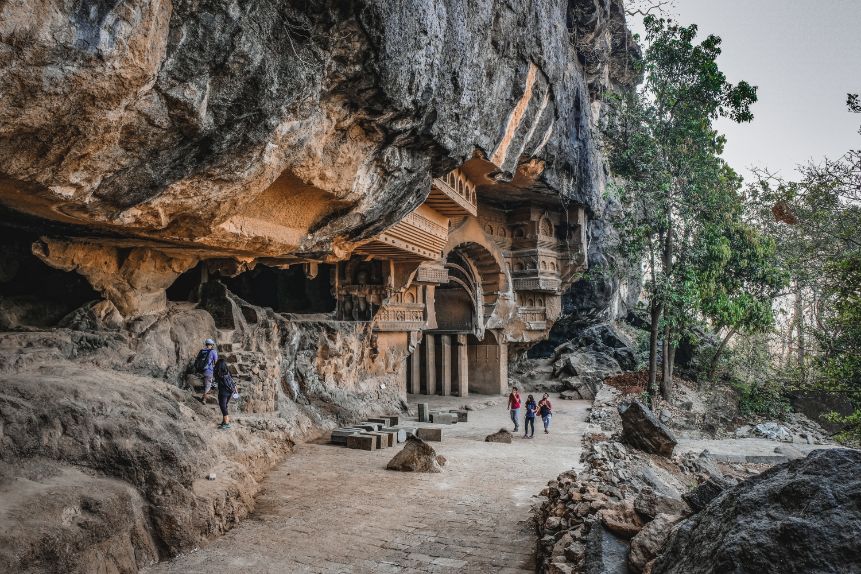
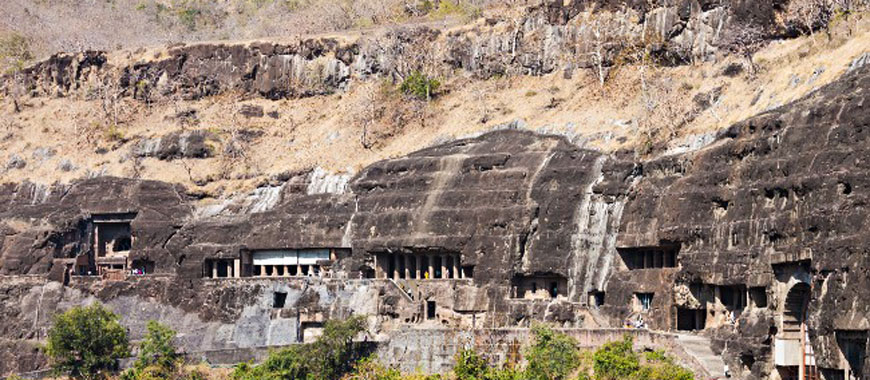
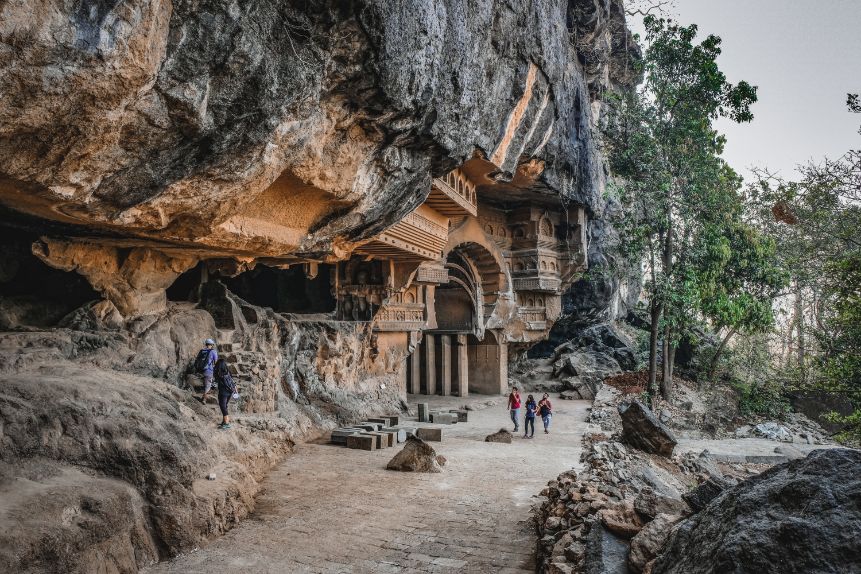
History buffs will find Karjat’s ancient monuments equally captivating. The Kondana Caves, dating back to the 1st century BC, represent one of India’s significant Buddhist heritage sites. These rock-cut caves feature intricate carvings, sculptures, stupas, and viharas that offer glimpses into ancient Buddhist monastic life. Although an earthquake in the early 1900s damaged portions of the structure, the caves remain accessible and showcase remarkable architectural craftsmanship. Located approximately 33 kilometers from Karjat railway station, the caves are situated beneath a mountain and surrounded by dense forest.
The Kondeshwar Temple, constructed in the distinctive Hemandapahi architectural style, provides another window into the region’s rich religious heritage. Dedicated to Lord Shiva, this ancient temple features a main shrine encircled by smaller shrines in the inner sanctum. The temple’s location near the Ulhas Valley offers visitors the opportunity to combine spiritual contemplation with nature appreciation.
Trekking Adventures for Every Level
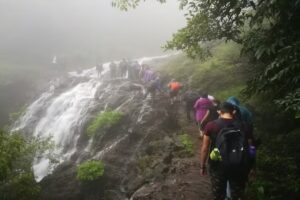
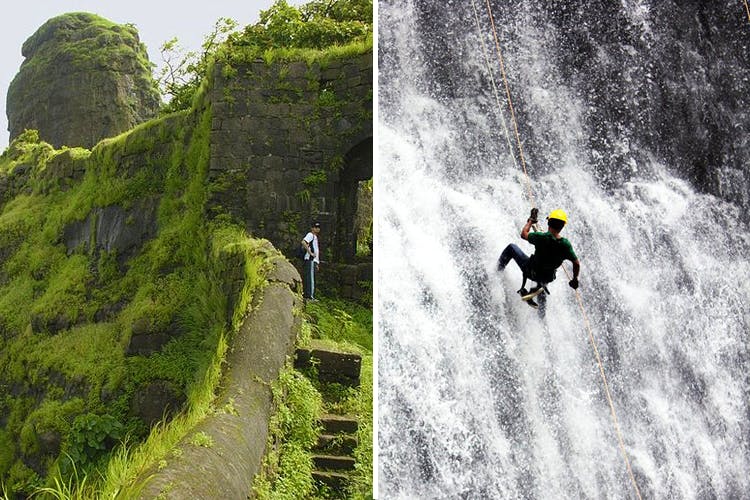
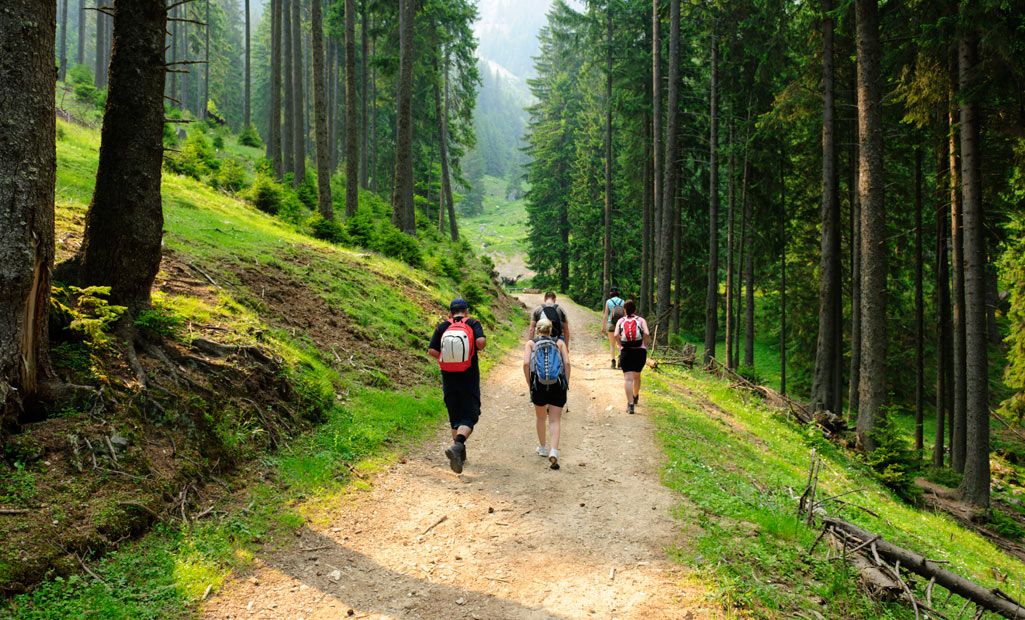
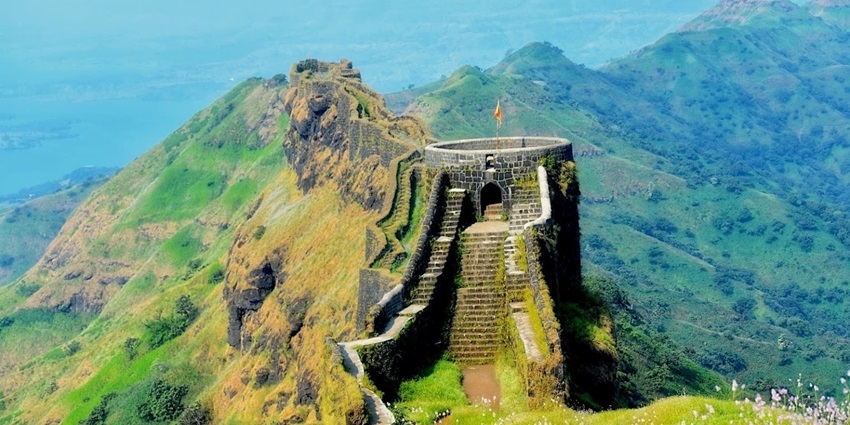
Winter’s moderate temperatures make it the ideal season for exploring Karjat’s numerous trekking trails. Peth Fort, also known as Kothaligad, rises to 945 meters and offers one of the region’s most popular trekking experiences. The six-kilometer route begins at Ambivli village and takes approximately two to three hours to complete. Along the way, trekkers encounter a picturesque waterfall before reaching the fort’s pinnacle, which provides panoramic views of the Bhimashankar range and the surrounding valleys. The fort’s summit features a uniquely shaped vertical funnel structure, rock-cut caves, and a perfectly square pond.
Despite its relatively modest elevation of 3000 feet above sea level, Kothaligad presents an engaging challenge for first-time trekkers while remaining accessible to families with older children. The winter months ensure comfortable climbing conditions without the heat and humidity that characterize summer expeditions.
Bhivgad offers another excellent trekking option for adventure enthusiasts. The trail combines moderate difficulty with rewarding views of lush greenery and historical ruins. Local eateries in Bhivpuri village provide opportunities to sample authentic Maharashtrian cuisine after completing the trek.
Waterfalls and Natural Pools
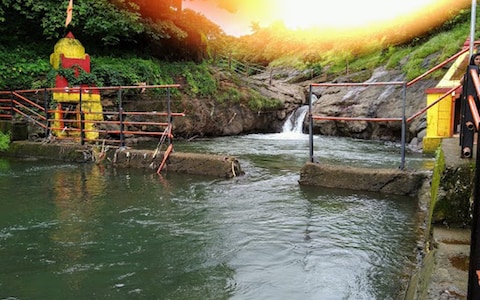
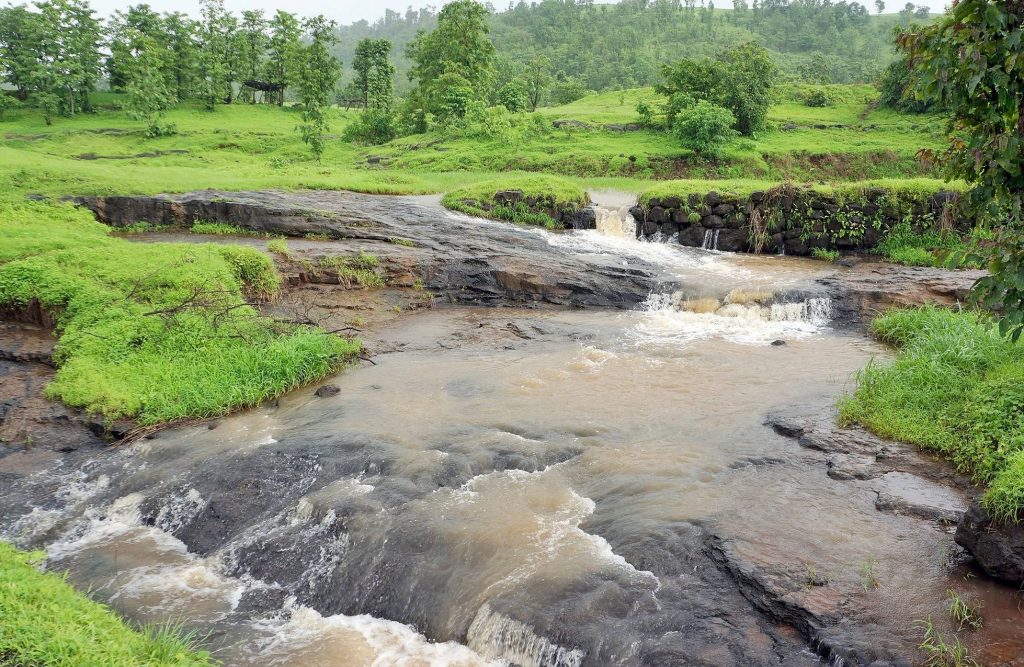
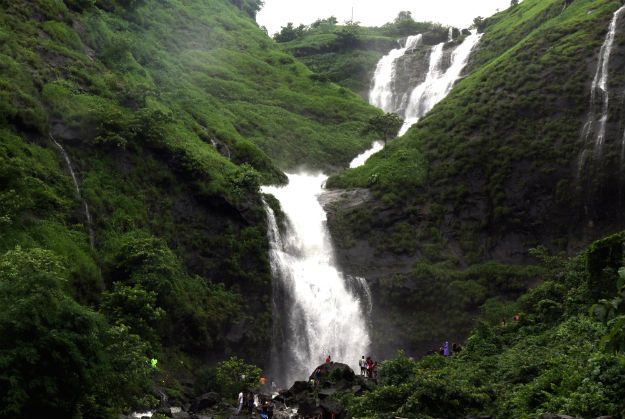
While Karjat’s waterfalls reach their magnificent peak during monsoon season, several remain accessible and beautiful during winter months. Bhivpuri Waterfall, located approximately eight kilometers from Karjat town, attracts nature lovers and adventure seekers throughout the year. Surrounded by dense forests and forming pristine pools at its base, the 20-foot-high waterfall offers a refreshing retreat. The site has become popular for water sports, particularly rappelling, during appropriate seasons.
Palasdari Waterfall represents one of Karjat’s hidden gems, offering a more secluded experience for visitors seeking solitude. Its peaceful ambiance and natural beauty make it an ideal spot for contemplation and nature photography. The relatively less-crowded location ensures a tranquil experience away from mainstream tourist circuits.
How to Reach Karjat
Karjat’s excellent connectivity makes it an accessible destination for weekend travelers and extended vacationers alike.
By Train: Karjat serves as a major junction on the Central Railway Line connecting Mumbai and Pune. From Mumbai’s Chhatrapati Shivaji Maharaj Terminus, approximately 24 trains run daily to Karjat, including popular services like the Deccan Queen, Mahalaxmi Express, Sinhagad Express, and Indrayani Express. Local trains depart every 30 minutes, with the first train leaving at 4:15 AM. The journey takes between one and two and a half hours depending on the service chosen. From Pune, around 32 trains operate daily, including the Koyna Express, Pragati Express, and Sinhagad Express, with travel times ranging from 90 minutes to two hours.
By Road: Karjat is well-connected via the Mumbai-Pune Expressway and National Highway 48. From Mumbai, travelers can take the Sion-Panvel Expressway route covering approximately 67 kilometers in two to three hours, depending on traffic conditions. The drive offers scenic views of the Western Ghats, particularly when passing through Bhor Ghat, a mountain pass renowned for its breathtaking landscapes, waterfalls, tunnels, and viaducts. From Pune, the journey covers about 100 kilometers via the Mumbai-Pune Expressway and typically takes two to three hours. State-run and private buses operate regularly on both routes, with ticket prices ranging from 600 to 2000 rupees depending on service quality.
By Air: The nearest airports are Chhatrapati Shivaji Maharaj International Airport in Mumbai (70 kilometers away) and Pune International Airport (100 kilometers distant). From either airport, travelers can hire taxis or use pre-booked car services to reach Karjat in two to four hours depending on traffic and road conditions.
Must-Visit Attractions
Beyond the major sites, Karjat offers several other attractions worth exploring. The Bahiri Cave houses a Lord Shiva temple and requires trekking an elevation of 300 meters through rocky and steep terrain. The spiritual significance of this site attracts both pilgrims and adventure seekers who appreciate the combination of religious importance and physical challenge.
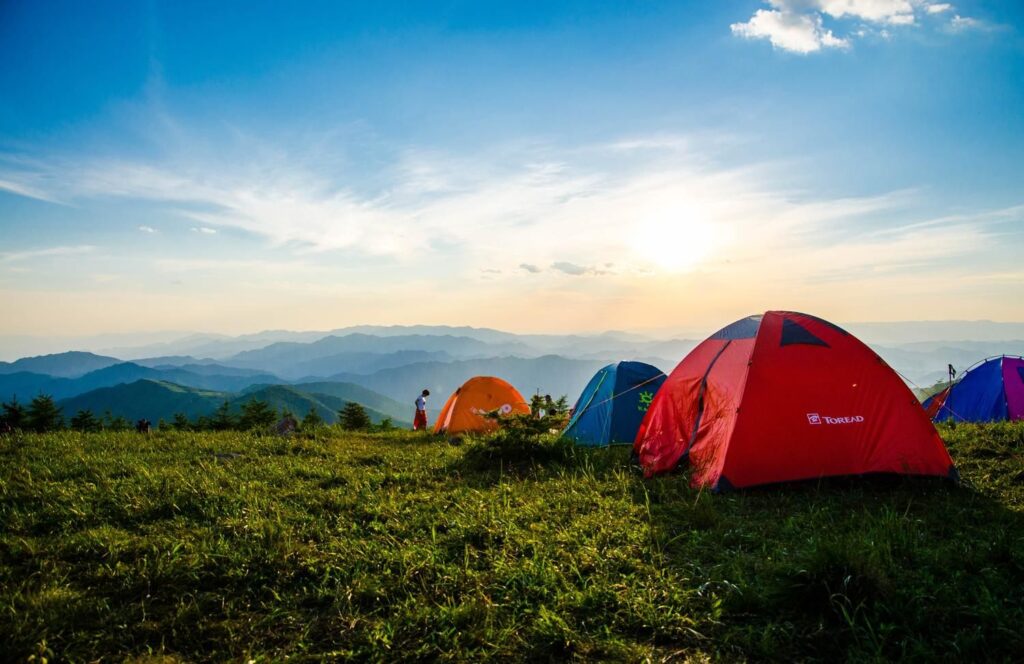
Kalote Lake provides a tranquil setting for camping and stargazing, particularly during winter’s clear nights. The lake’s peaceful surroundings, encircled by hills, make it an excellent location for relaxation and photography.
Bhor Ghat itself warrants a dedicated visit for railway enthusiasts and photographers. This historic mountain pass features the impressive engineering of the Mumbai-Pune railway line, with its multiple tunnels and viaducts creating dramatic landscapes especially striking when captured during the soft light of winter afternoons.
The nearby town of Khopoli, located 24 kilometers from Karjat, offers additional attractions including theme parks and historical landmarks for families seeking variety in their itinerary.
Local Culture and Cuisine
Karjat provides authentic experiences of Maharashtra’s culinary traditions. Local eateries serve regional specialties including vada pav, misal pav, poha, and fresh farm produce. The Shree Datta Snacks Center near the Kondana Caves area offers traditional flavors, while small vendors near popular attractions provide refreshing beverages and snacks.
The town’s local market offers opportunities to purchase handicrafts made from wood, bamboo, and other natural materials. Visitors traveling through nearby Lonavala should not miss sampling the famous chikki, a traditional Indian sweet made from nuts and jaggery available in numerous varieties.
Budget-Friendly Destination
Karjat appeals to budget-conscious travelers without compromising on experience quality. Accommodation options range from budget guesthouses and homestays to mid-range resorts and luxury farmhouse properties. Many of the region’s premier attractions, including waterfalls, hiking trails, and viewpoints, are free to access. Activities like camping, picnicking, and nature walks remain relatively inexpensive while providing memorable experiences.
Transportation costs remain reasonable, with economical train travel and affordable auto-rickshaws and local buses available for getting around. Eating at local restaurants and street food stalls allows visitors to enjoy authentic cuisine while managing expenses effectively.
Planning Your Visit
While winter offers the most comfortable weather conditions, visitors should check forecasts before departure as occasional cold snaps can occur. Packing should include light layers for daytime warmth and heavier clothing for cool evenings. Sturdy hiking shoes are essential for anyone planning trekking activities.
Booking accommodations and transportation in advance is advisable, particularly during peak season periods and weekends when Mumbai and Pune residents flock to the region. Train seats tend to fill quickly, making early reservation prudent.
Travelers should plan itineraries carefully to maximize time at major attractions while allowing flexibility for spontaneous discoveries. The compact nature of Karjat’s geography allows visitors to cover multiple sites within a single day while maintaining a relaxed pace.
Safety and Practical Considerations
Karjat is generally considered safe for tourists, though standard precautions apply. Staying hydrated during treks, wearing appropriate gear for outdoor activities, and following local guidelines ensures a trouble-free experience. The terrain around caves and historical sites can be uneven, making comfortable footwear particularly important.
For those planning water activities or waterfall visits, checking current conditions and following safety instructions from guides or local authorities is essential. Winter’s lower water levels at some waterfalls make them safer for exploration compared to monsoon’s torrential flows.
As winter blankets the Sahyadri mountains with pleasant weather and clear skies, Karjat emerges as an irresistible destination for travelers seeking natural beauty, historical exploration, and adventure activities. Whether you’re a seasoned trekker conquering ancient forts, a history enthusiast exploring Buddhist caves, or simply someone seeking peaceful communion with nature, Karjat offers experiences that resonate long after departure.
The combination of accessibility from major cities, diverse attractions, budget-friendly options, and comfortable winter weather positions Karjat as an ideal escape from urban pressures. This winter season, consider trading city streets for mountain trails and discovering why this charming hill station continues captivating visitors year after year.