You Won’t Believe These Caves Exist in Maharashtra – A Journey Through 2,000 Years of History

You Won't Believe These Caves Exist in Maharashtra - A Journey Through 2,000 Years of History
Maharashtra is home to some of the most beautiful and ancient caves in India. These caves tell stories from thousands of years ago through carvings, paintings, and rock-cut temples. Many of them are UNESCO World Heritage Sites and attract visitors from across the world.
Here are five of the most famous and historic caves you can explore in Maharashtra.
1. Ajanta Caves

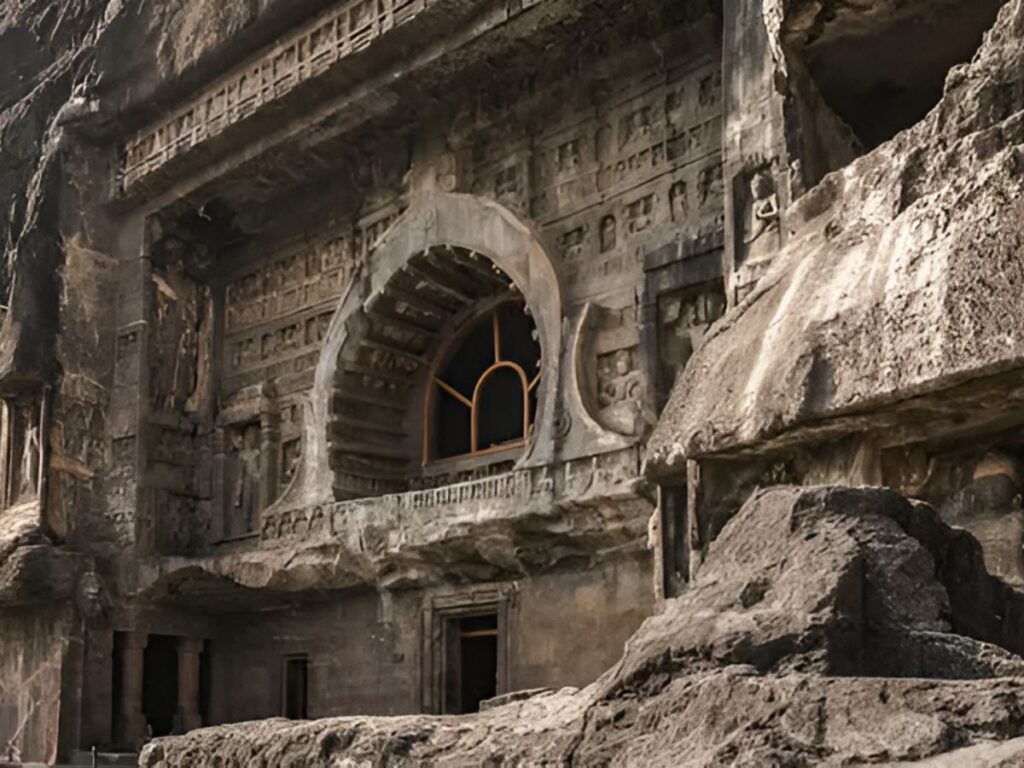
The Ajanta Caves are one of the oldest and most famous caves in Maharashtra. Located in the Aurangabad district, this site has 29 Buddhist rock-cut caves, some dating back to the 2nd century BC. These caves were built in two phases, during the Satavahana dynasty and later under Emperor Harisena of the Vakataka dynasty.
The caves are filled with colourful murals, carvings, and sculptures showing the life of Lord Buddha and the Bodhisattvas. Some walls also display scenes from daily life and meaningful inscriptions. The Ajanta Caves are a blend of both Theravada and Mahayana Buddhist traditions and are considered a masterpiece of Indian art.
Tourists often visit the Ajanta Caves together with the nearby Ellora Caves, as both sites showcase the rich cultural and spiritual history of ancient India.
2. Ellora Caves
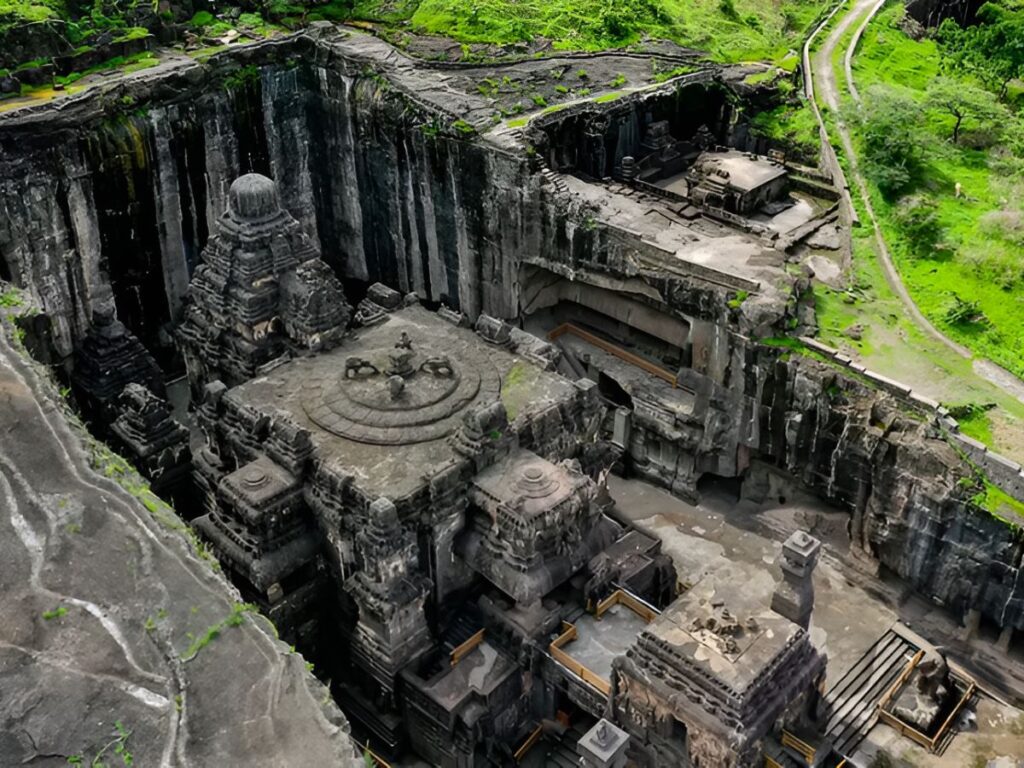
The Ellora Caves, also known as Verul Leni, are located around 30 km from Aurangabad. These rock-cut caves represent Hinduism, Buddhism, and Jainism, all existing together between 600 and 1000 CE. Out of the 100 caves discovered, 34 are open to the public, 12 Buddhist, 17 Hindu, and 5 Jain caves.
The most stunning structure here is the Kailasha Temple (Cave 16), carved from a single massive rock. It features sculptures of gods, goddesses, and stories from Hindu epics. The Rashtrakuta Dynasty built the Hindu and Buddhist caves, while the Yadav Dynasty built the Jain ones.
In ancient times, these caves served as temples, monasteries, and resting places for monks and pilgrims. Like Ajanta, Ellora is also a UNESCO World Heritage Site and one of India’s most visited historic landmarks.
3. Elephanta Caves

The Elephanta Caves, located on Elephanta Island in Mumbai Harbour, date back to the 5th–8th century. The site has seven rock-cut caves, five Hindu and two Buddhist, carved out of solid basalt rock. The main cave is dedicated to Lord Shiva and features large stone sculptures depicting various forms of the deity, such as Trimurti, Ardhanarishvara, and Nataraja. Unfortunately, some parts of the caves were damaged during Portuguese rule.
Declared a UNESCO World Heritage Site in 1987, the Elephanta Caves remain one of Mumbai’s most important historical sites and a favorite destination for tourists taking the ferry from the Gateway of India.
4. Karla Caves

The Karla Caves, also called Karla Cells, are near Lonavala and date back to 160 BC. Built between the 2nd century BC and the 5th century AD, the complex has 16 rock-cut caves, with Cave 8 being the most important one, known as the Chaityagriha (prayer hall).
The caves are smaller compared to Ajanta and Ellora, but hold great historical value. The beautifully carved pillars and the large prayer hall show how Buddhist monks lived and meditated here thousands of years ago.
5. Aurangabad Caves
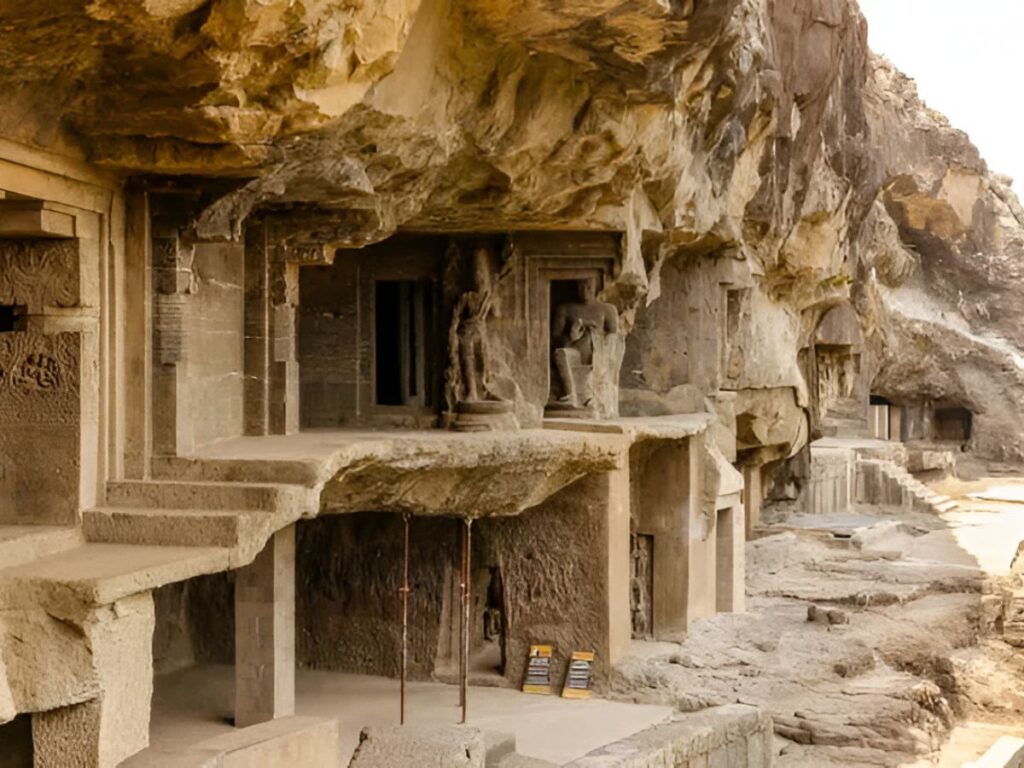
The Aurangabad Caves are another set of ancient Buddhist caves, located close to the main city. There are 12 caves in total, divided into three groups: Caves 1–5, 6–9, and 10–12.
Cave 7 is the most beautifully decorated, featuring carvings of Bodhisattva Avalokitesvara and the famous “Saviour of the Eight Great Perils” scene, showing the Bodhisattva protecting people from dangers like fire, shipwreck, and wild animals. These caves belong to the Kalachuri Dynasty and highlight the artistic skills and spiritual beliefs of that era.
From the artistic walls of Ajanta to the massive sculptures of Ellora and the island carvings of Elephanta, these caves are not just tourist spots; they are time capsules of India’s cultural and spiritual journey. Visiting them is like stepping back in time to witness how history, faith, and art came together in stone.