2BHK In Bengaluru Or 2 Acres In UP? Investor’s Viral Post Sparks New Wealth Debate
2BHK In Bengaluru Or 2 Acres In UP? Investor’s Viral Post Sparks New Wealth Debate
Digital farming, land monetisation trends challenge urban-centric idea of success
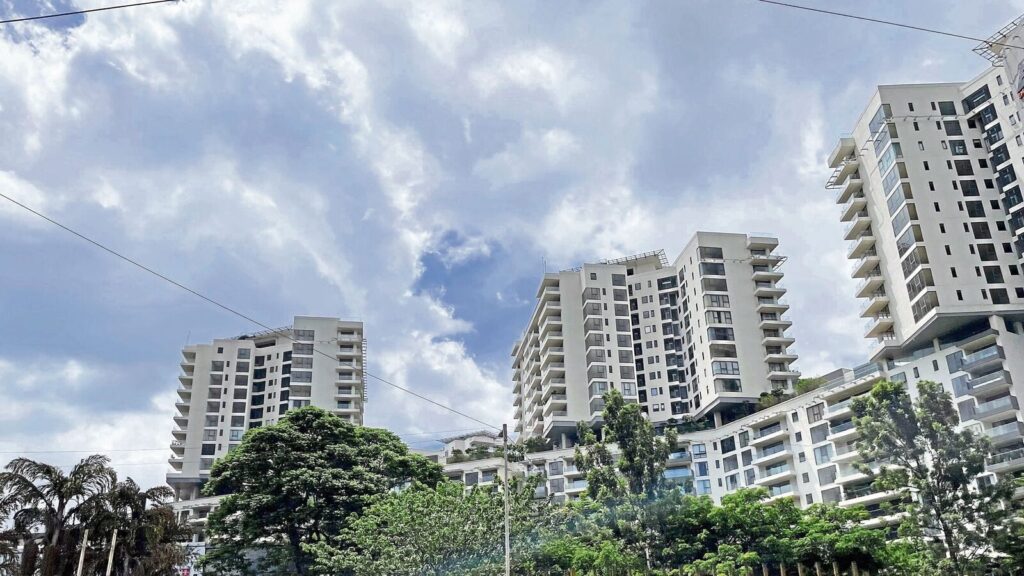
A Delhi-based investor has sparked a fresh debate on what true wealth might look like in the future, comparing a child growing up in a Bengaluru apartment with one having access to farmland in Uttar Pradesh.
The discussion, which has gone viral online, questions long-held beliefs that urban property is the ultimate symbol of financial success, suggesting that rural land could emerge as a more powerful asset in the years ahead.
The Idea That Started The Debate

At the centre of the argument is a simple comparison: a child with a 2BHK flat in a metro city versus one with two acres of land in a village.
The investor suggests that as economic models evolve, structured and monetised rural land could offer greater long-term financial leverage than urban housing, especially when integrated with digital platforms and modern investment tools.
From Trees To Income: A New Asset Class
A key example shared in the discussion is the concept of renting mango trees online. Through managed farming models, individuals can digitally “own” or lease trees and receive produce such as Alphonso mangoes directly at home.
This shift reflects a larger trend where farmland is no longer seen as passive inheritance but as an income-generating asset that can be scaled and managed efficiently.
In this model, even individual trees become productive financial units.
Rethinking Rural Vs Urban Wealth
For decades, cities like Bengaluru have been associated with growth, opportunity, and rising property value. Owning urban real estate has traditionally been seen as a sign of success.
However, the investor argues that this equation may be changing.
As rural land becomes more digitised and connected to markets, it could attract institutional investments and new-age platforms, increasing its value significantly over time.
This could potentially shift the balance of wealth from cities to villages.
What This Means For The Next Generation
The idea suggests that children growing up with access to agricultural land may have more diverse opportunities in the future — from leasing and farming to participating in new digital asset ecosystems.
In contrast, urban real estate may remain valuable but could face limitations in scalability and income generation.
A Changing Definition Of Wealth
The conversation highlights a broader shift in how wealth is being defined in India. Instead of focusing only on location-based assets like city homes, attention is slowly turning towards productivity, scalability, and integration with technology.
While the idea remains speculative, it opens up important questions about future investments, lifestyle choices, and how the next generation may build and sustain wealth.
Disclaimer: This article discusses general investment perspectives and evolving trends. Readers should evaluate financial decisions based on their individual goals and market conditions.