4 Commonly Used Cooking Oils That May Increase Your Risk of Heart Disease, According to Health Experts
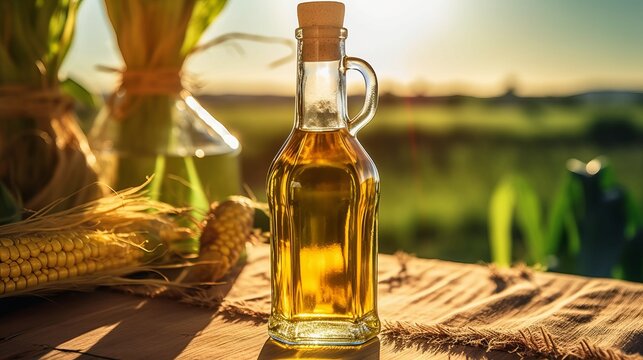
When we think about eating healthy, the focus is often on cutting down sugar, salt, or processed foods. But there’s one everyday ingredient that often gets overlooked—cooking oil. The type of oil you use can make a big difference to your heart health. While some oils nourish your body, others can contribute to inflammation, increased cholesterol, and blocked arteries over time.
Here are four cooking oils that health experts suggest you should reconsider if protecting your heart is a top priority:
1. Corn Oil: A Contributor to Chronic Inflammation

Though corn oil is marketed as a heart-friendly, plant-based option, it contains high levels of omega-6 fatty acids. In excess, omega-6s can promote inflammation, especially if your diet lacks sufficient omega-3s to balance them. Chronic inflammation is linked to artery damage and a greater risk of heart attacks. Since corn oil has little to no omega-3s, its regular use may do more harm than good.
2. Coconut Oil: High in Saturated Fat
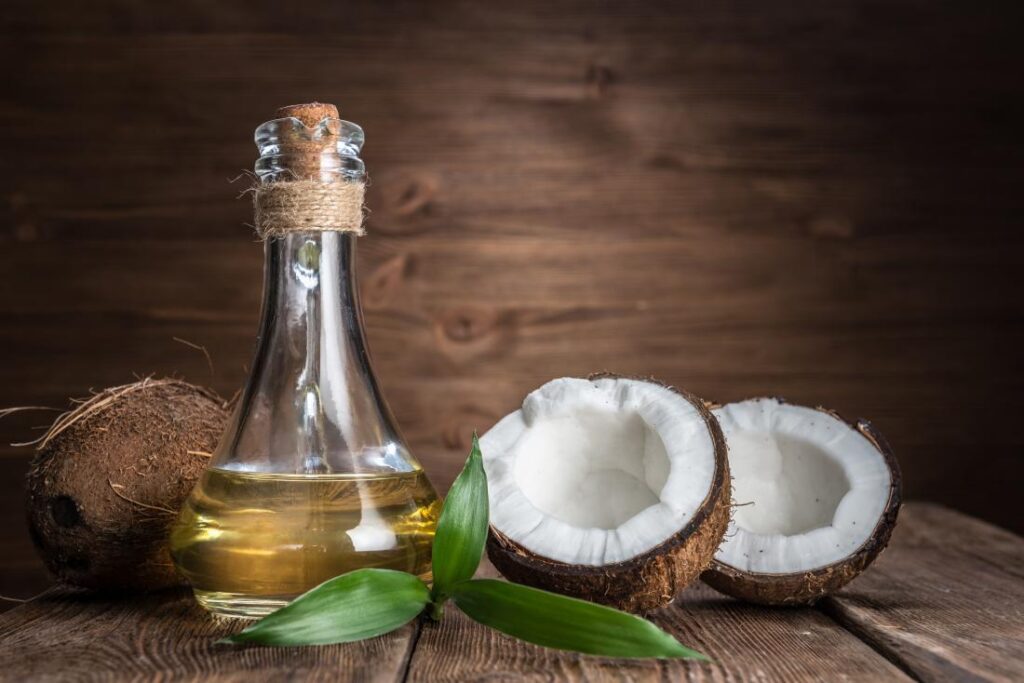
Popular in beauty and wellness circles, coconut oil may not be as heart-friendly as it’s made out to be. Around 90% of its fat content is saturated fat—known to raise LDL (bad) cholesterol levels, which in turn increases the risk of heart disease. Health bodies like the World Health Organization and American Heart Association caution against frequent use. While occasional use in moderation is fine, it shouldn’t be your primary cooking oil.
3. Vegetable Oil: Dangerous When Reused

The term “vegetable oil” can be misleading. Many types of vegetable oils degrade quickly when reused for frying. This breakdown leads to the formation of toxic compounds that contribute to oxidative stress, increased blood pressure, and higher cholesterol. Reheating and reusing vegetable oil is a widespread practice that significantly raises the risk of heart problems.
4. Margarine: Often Contains Harmful Trans Fats

Once considered a better choice than butter, margarine—especially in stick form—often contains trans fats created through hydrogenation. Trans fats not only raise bad cholesterol but also lower good cholesterol. This double impact makes them a major threat to heart health. Although newer versions claim to be trans fat-free, it’s essential to read labels carefully and choose alternatives like spreads made from olive or avocado oil.
Make Heart-Conscious Choices
Your choice of cooking oil can either support your cardiovascular system or silently strain it. For better heart health, opt for oils rich in unsaturated fats and omega-3s—such as extra virgin olive oil, avocado oil, or flaxseed oil. Small changes in your kitchen can make a big difference to your long-term wellness. After all, your heart deserves the best care you can give it.