4 Supplements to Avoid for a Longer, Healthier Life
4 Supplements to Avoid for a Longer, Healthier Life
A long life is a common aspiration, and maintaining good health is crucial to achieving it. As we age, it becomes increasingly important to pay attention to all facets of our well-being.
Health supplements are often believed to support healthy aging, with each type serving various purposes, such as promoting stronger bones or improving energy levels. While appropriate dosages can contribute positively to overall health, excessive intake may lead to adverse effects.
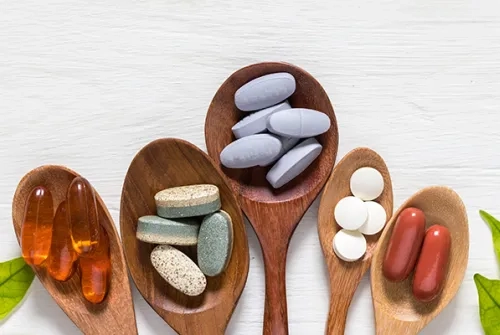
Dietary supplements, commonly referred to as supplements, are products consumed orally to enhance one’s nutritional intake. These supplements are available in various formats, such as tablets, capsules, powders, liquids, and bars. They can assist individuals in fulfilling their daily nutritional needs and promoting overall well-being.

Additionally, they may help lower the risk of certain health issues and address deficiencies in essential vitamins and minerals. For instance, an individual with iron deficiency anemia might benefit from taking an iron supplement. Certain medical conditions, such as kidney failure, can hinder the body’s ability to absorb nutrients effectively, making supplements a valuable option in such scenarios.
However, Certain supplements should be avoided unless prescribed, as they may have adverse effects on health, potentially impacting longevity.
Iron
Iron is a vital mineral that plays a crucial role in numerous bodily functions and is essential for growth and development. It contributes to the formation of healthy red blood cells and facilitates the transportation of oxygen throughout the body. To address iron deficiency, one can consider supplements as well as consuming red meat and poultry, which are abundant in this mineral. However, it is important to consult a doctor before taking iron supplements, as excessive intake can lead to various side effects.
The National Institutes of Health indicates that consuming high doses of iron supplements, particularly when taken on an empty stomach, may result in various gastrointestinal issues such as upset stomach, constipation, nausea, abdominal pain, vomiting, and diarrhea. Furthermore, excessive iron intake can pose serious health risks, including inflammation of the stomach lining and the development of ulcers. In cases of extremely high doses, which can reach hundreds or thousands of milligrams, there is a risk of severe outcomes such as organ failure, coma, convulsions, and even death.
Excessive intake of iron supplements when they are unnecessary can result in oxidative stress, potentially harming cells and tissues. An overload of iron in the body may accumulate in vital organs such as the liver, heart, and pancreas. Additionally, it could interfere with the absorption of other medications you may be taking.
According to the US Food and Drug Administration, the recommended daily value (DV) of iron for both adults and children aged 4 and older is 18 milligrams (mg).
Vitamin E
Vitamin E is an essential nutrient that plays a vital role in various bodily functions, including the prevention of blood clots, protection against oxidative stress, and enhancement of immune response. However, excessive intake of Vitamin E can pose health risks, particularly an increased likelihood of prostate cancer, which can be fatal in some instances. A study published in JAMA Network indicated that dietary supplementation of Vitamin E significantly raised the risk of prostate cancer in healthy males. It is advisable to avoid starting Vitamin E supplements without professional guidance, as high doses can lead to Vitamin E toxicity, resulting in serious health issues.
Incorporating Vitamin E through dietary sources is generally recommended. Foods such as nuts, seeds, and green leafy vegetables are excellent sources of this important nutrient. The general recommendation for daily Vitamin E intake is approximately 15 mg, with the FDA suggesting that the maximum safe daily limit is 1,100 mg.
Multivitamins
Many individuals tend to take multivitamin tablets without prior consultation with a healthcare professional, which could inadvertently elevate their risk of mortality. A 2023 study published in JAMA Network Open revealed no significant correlation between multivitamin consumption and a decrease in mortality rates. While these supplements can provide a daily energy boost, excessive intake may lead to accumulation in the kidneys, increasing the likelihood of kidney stones and cardiovascular issues. Rather than depending on supplements for energy, adopting a healthier diet may contribute to a longer life.
An article from the September 2019 edition of Scientific American highlights various studies that have identified links between high doses of B vitamins and an increased risk of hip fractures. This includes a May 2019 study co-authored by Walter Willett from Harvard T.H. Chan School of Public Health, which utilized data from the extensive Nurses’ Health Study. Additionally, the article references a 2017 study stemming from a large Norwegian trial and a 2002 study, also co-authored by Willett, that associated excessive vitamin A intake with hip fractures.
Beta-Carotene
Beta-carotene is a plant pigment responsible for the vibrant colors in various fruits and vegetables. The human body transforms beta-carotene into vitamin A, a vital nutrient necessary for numerous bodily functions. Adequate levels of vitamin A are associated with benefits such as improved eye health, enhanced immune function, reproductive health, and proper growth and development. However, research published in the journal Nutrients indicates that smokers with elevated beta-carotene consumption may face a higher risk of developing lung cancer.
As an antioxidant, beta-carotene plays a crucial role in protecting the body from free radicals, which can cause cellular damage through oxidation. Failing to manage this oxidative process can result in several chronic health conditions. Research suggests that increasing the intake of antioxidant-rich foods can strengthen the immune system, provide protection against free radicals, and potentially reduce the risk of heart disease and cancer.