5 Hidden Caves in India That Every History Buff Should Add to Their Travel List
5 Hidden Caves in India That Every History Buff Should Add to Their Travel List
Beyond India’s well-trodden heritage sites lie ancient caves that whisper stories of forgotten dynasties, spiritual quests, and artistic brilliance. While Ajanta and Ellora have long captured the world’s attention, there exist other equally fascinating yet lesser-known cave wonders scattered across the country. These ancient marvels, often tucked away in hills and forests, hold traces of early civilizations and religions that shaped India’s past.
For explorers who crave a deeper connection with history and mystery, here are five hidden cave sites that offer more than just rock and stone — they offer time travel.
1. Pandavleni Caves, Maharashtra

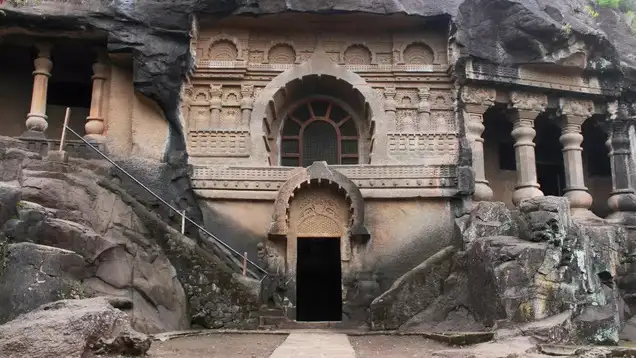
Perched above the bustling city of Nashik, the Pandavleni Caves remain a serene escape for those who seek peace and perspective. Dating back to between the 1st century BCE and the 3rd century CE, this group of 24 Buddhist rock-cut caves served as monastic retreats for monks engaged in meditation and teaching. The caves feature finely chiseled inscriptions, prayer halls, and cells for spiritual practice. At sunrise, when golden rays touch the stone façades, the view of Nashik below feels almost divine — a perfect blend of nature and ancient craftsmanship.
2. Udayagiri and Khandagiri Caves, Odisha
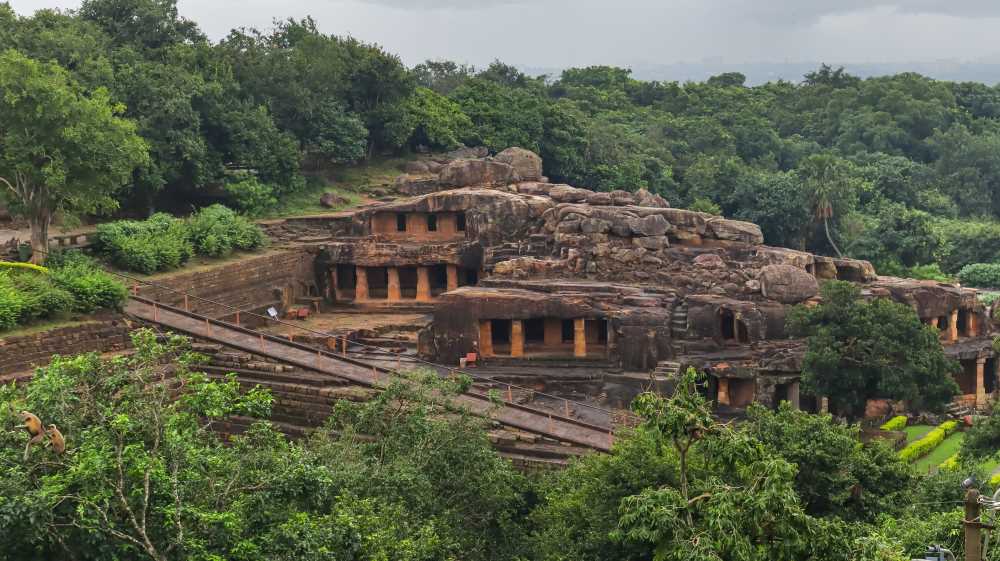
Set on twin hills just outside Bhubaneswar, the Udayagiri and Khandagiri Caves are among India’s earliest examples of Jain rock-cut architecture, dating back to the 2nd century BCE. Commissioned during the reign of King Kharavela of the Mahameghavahana dynasty, these caves served as meditation chambers for Jain monks. As you climb the rocky slopes, delicate carvings depicting royal processions, elephants, and dancers come into view. The famous Hathigumpha inscription, etched onto a massive elephant-shaped rock, is a testament to the region’s historical importance. Despite their significance, these caves remain blissfully free of heavy tourist crowds — making them a hidden gem for true history enthusiasts.
3. Barabar Caves, Bihar
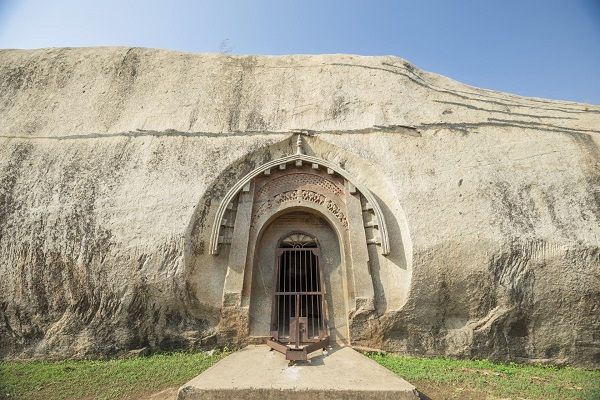
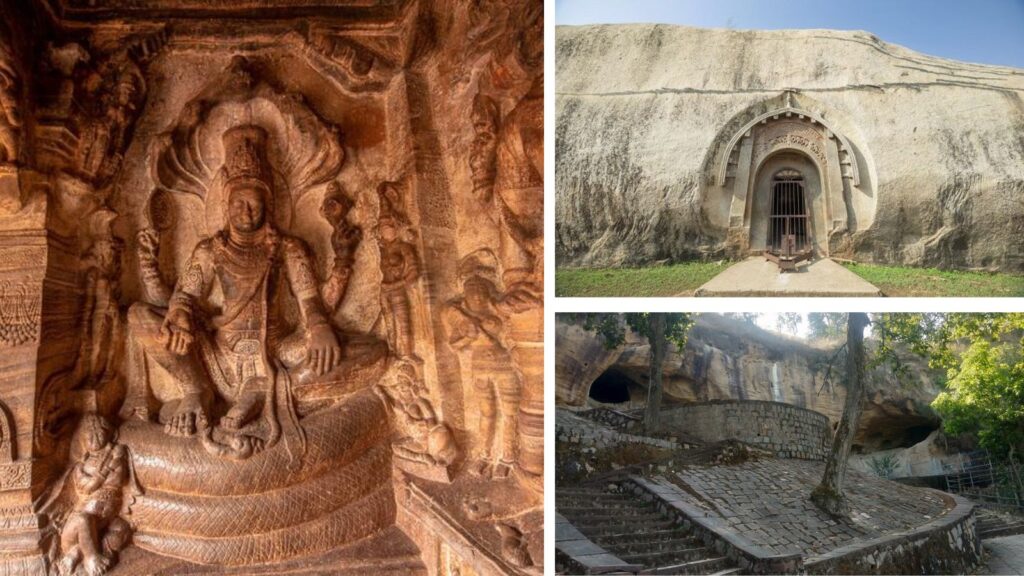
If age could speak, the Barabar Caves would have countless tales to tell. Believed to be India’s oldest surviving rock-cut caves, they date back to the 3rd century BCE during the reign of Emperor Ashoka and his son Dasharatha. Hewn from solid granite, these caves were used by the Ajivika sect — a little-known ascetic order contemporary with early Buddhism and Jainism. The perfectly polished interiors produce an eerie echo when you speak, creating an almost mystical atmosphere. These ancient chambers in the granite hills of Bihar are a living chronicle of India’s early architectural genius.
4. Badami Caves, Karnataka
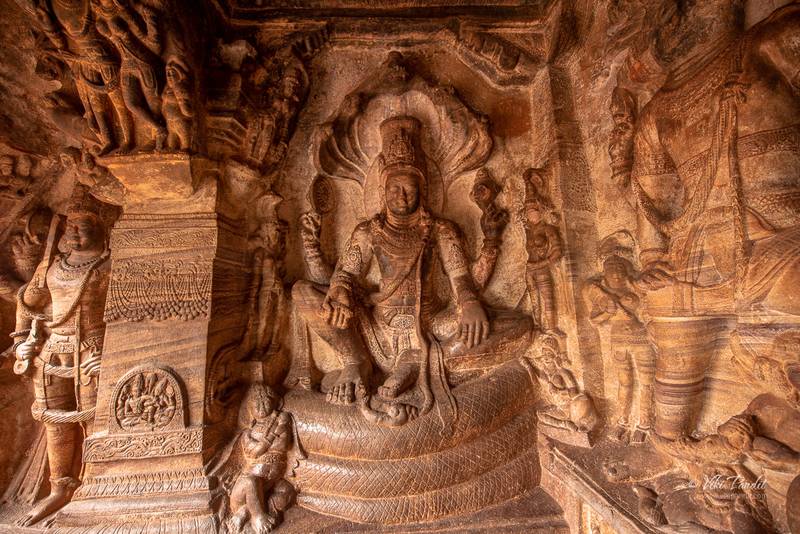
Carved into the striking red sandstone cliffs of Badami, these caves stand as a monumental tribute to the art and devotion of the early Chalukyan dynasty. Though gaining attention in recent years, they remain surprisingly underrated compared to other historic sites in India. There are four main cave temples — the first dedicated to Lord Shiva, featuring an exquisite 18-armed Nataraja; the next two to Vishnu, with captivating depictions of his avatars; and the last to the Jain Tirthankaras. Each sculpture, column, and motif reveals the extraordinary craftsmanship of the 6th century, making Badami a destination that deserves far more recognition.
5. Jogimara and Sitabenga Caves, Chhattisgarh
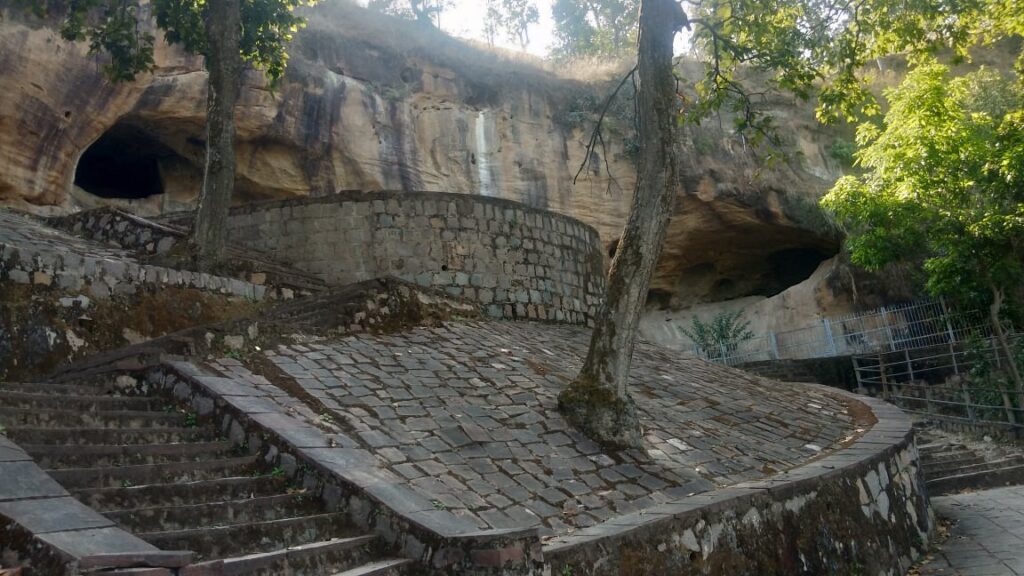
Hidden deep within the Ramgarh hills of Chhattisgarh lie the Jogimara and Sitabenga Caves — archaeological treasures that few travelers know about. Dating back to around the 3rd century BCE, these caves are remarkable not just for their age but for their uniqueness. The Sitabenga Cave, in particular, contains a natural rock platform resembling a stage, with carved seating around it. Historians believe this may have been used for performances or community gatherings, hinting at India’s early cultural life. Visiting these caves feels like unearthing a forgotten chapter of human creativity and ancient art.