6 Fruits You Should Avoid Eating Before Bed for Better Sleep

6 Fruits You Should Avoid Eating Before Bed for Better Sleep
Fruits are often hailed as nature’s candy—they’re packed with vitamins, minerals, antioxidants, and fiber that might help us, and they’re not heavy at all, making them a perfect snack. Many people think of fruit as an ideal late-night option because it’s light and sweet. However, timing plays a crucial role when it comes to eating fruits. Consuming certain fruits too close to bedtime can disrupt sleep, cause digestive discomfort, or even lead to acid reflux. Understanding how different fruits affect your body at night—and choosing the right timing to eat them—can help you make smarter choices and improve your quality of sleep.
Here’s a detailed look at six fruits you should avoid eating after dinner and why:
1. Watermelon


Watermelon is one of the most hydrating fruits available, with over 90% of its content being water. This makes it an excellent choice for daytime hydration, especially during hot weather. However, eating watermelon before bed can work against your sleep because the high water content may make you wake up multiple times in the night to use the bathroom. Additionally, watermelon contains natural sugars that provide a slight energy boost, which isn’t ideal when your body is trying to wind down.
Tip: Enjoy watermelon in the morning or afternoon for hydration without sleep disruption.
2. Mango

Mangoes are celebrated as the “king of fruits” due to their rich flavor, vitamins, and antioxidants. They are also high in natural sugars, which provide instant energy. While this is beneficial during the day, consuming mangoes late at night can raise your blood sugar and make it difficult for your body to relax and fall asleep. This sugar surge can interfere with the natural production of melatonin, the hormone responsible for regulating sleep.
Tip: Eat mangoes earlier in the day, preferably as a mid-morning snack or part of lunch.
3. Banana
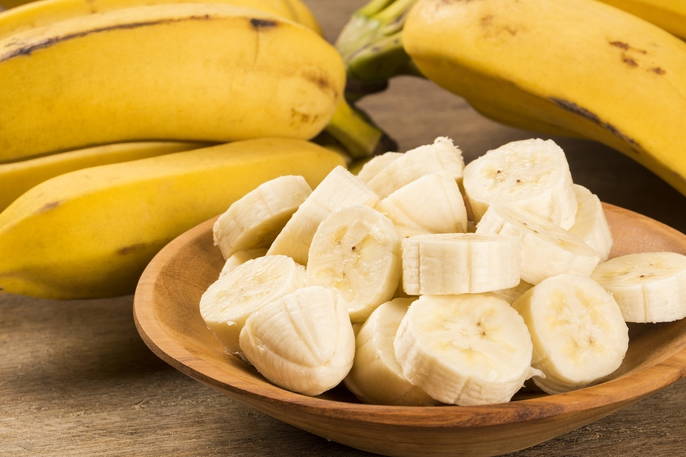
Bananas are an excellent source of potassium, magnesium, and fiber. They are often recommended as a pre-workout snack because they provide quick energy. However, at night, bananas can be counterproductive. Their natural sugars and carbohydrates can boost energy levels when your body is trying to prepare for rest. Additionally, some people may experience mild digestive discomfort if they eat bananas right before lying down.
Tip: Have bananas during the day or as part of breakfast to fuel your energy levels.
4. Grapes

Grapes are sweet, small, and easy to snack on, but they can pose problems for nighttime consumption. Grapes contain natural acids that can trigger heartburn in sensitive individuals. Eating them before bed may cause reflux, bloating, or general stomach discomfort, which can prevent deep, restful sleep.
Tip: Snack on grapes in the afternoon or combine them with nuts for a balanced snack during the day.
5. Guava

Guavas are incredibly nutritious and high in fiber, which supports healthy digestion and keeps you full. However, the same fiber that is beneficial during the day can be hard to digest at night. Eating guava too late can lead to bloating, stomach aches, or even mild constipation in some people, all of which can disturb your sleep.
Tip: Incorporate guava into your breakfast, lunch, or early evening snacks to give your body time to digest it properly.
6. Orange

Oranges and other citrus fruits are well-known for their high vitamin C content and immune-boosting properties. However, citrus fruits are acidic and can sometimes trigger acid reflux or heartburn if eaten close to bedtime. This can make falling asleep difficult and cause discomfort during the night.
Tip: Eat oranges in the morning to start your day with a vitamin C boost without the risk of nighttime acidity.
Additional Tips for Healthy Nighttime Eating
- Stick to light, easily digestible snacks: If you feel hungry before bed, choose foods like yogurt, berries, or a handful of nuts.
- Avoid high sugar or acidic foods: These can spike your energy or cause heartburn.
- Maintain a regular eating schedule: Eating dinner at least 2–3 hours before bedtime allows your body to digest food properly.
- Stay hydrated but smartly: Drink water throughout the day, but avoid excessive fluids immediately before bed.
Disclaimer: The information provided in this article is for general informational purposes only.