9 UNESCO World Heritage Temples to Visit in India
9 UNESCO World Heritage Temples to Visit in India
UNESCO World Heritage Convention which was established in 1972, recognised various sites of cultural and natural importance around the world. After the latest addition to the UNESCO World Heritage Temple list, India has now 9 World Heritage Temple.
Here is a list of 9 UNESCO World Heritage Temple in India:
Brihadeeswarar temple:
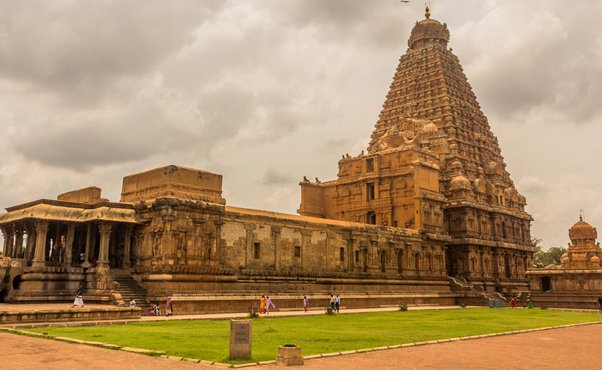
Known as the ‘Big Temple,’ the Brihadeeswarar Temple is dedicated to Lord Shiva and ranks among the largest temples in India. With a history spanning over a millennium, this ancient temple features a towering structure that reaches an impressive height of 216 feet, making it the tallest temple tower globally.
Sun Temple:
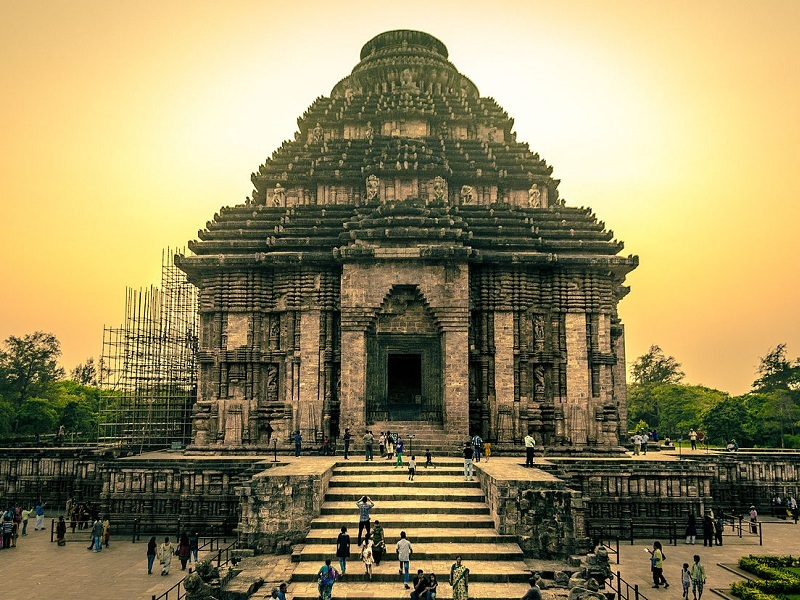
The Konark Sun Temple, dedicated to the Hindu sun god Surya, is renowned for its grand design resembling a colossal stone chariot with 12 wheels. Situated approximately 35 km northeast of Puri on the coast of Odisha, it stands as one of India’s most famous sun temples.

Khajuraho Temple:
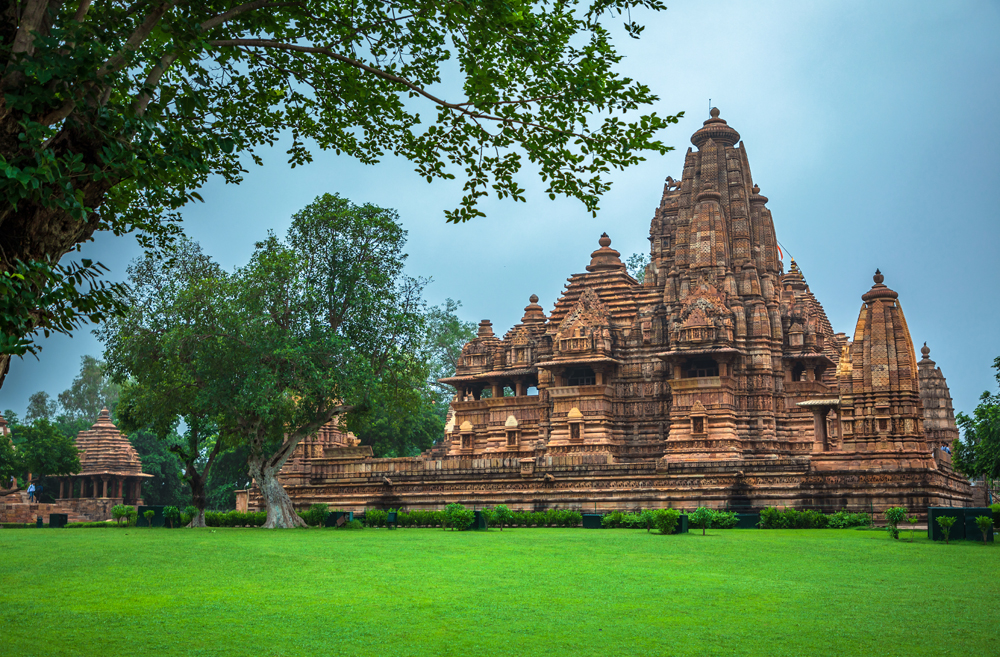
The Khajuraho Group of Monuments are a group of Hindu and Jain temples in Chhatarpur district, Madhya Pradesh, India, about 175 kilometres southeast of Jhansi.
They are a UNESCO World Heritage Site.The temples are famous for their nagara-style architectural symbolism and a few erotic sculptures.
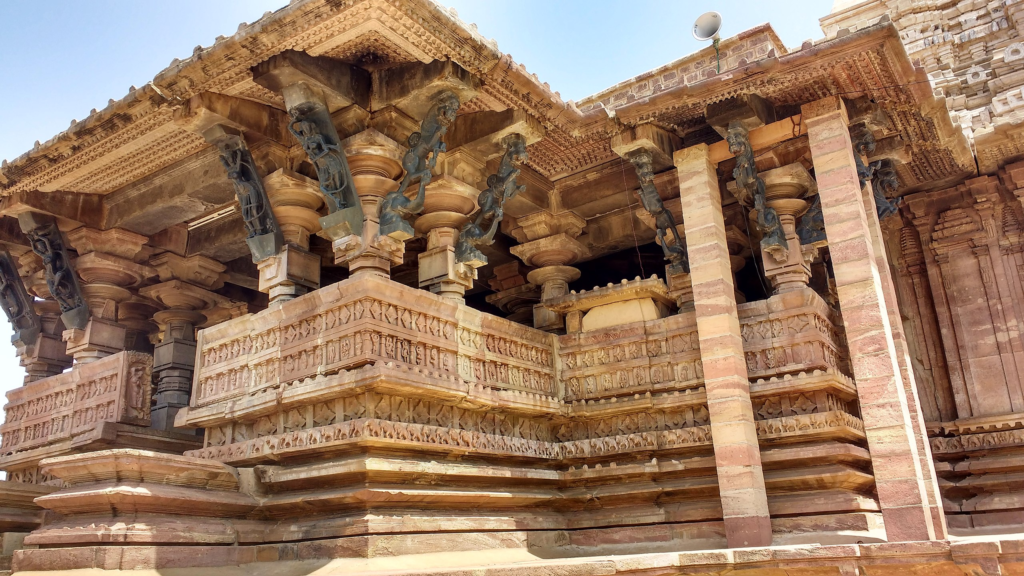
Ramappa Temple:
The Kakatiya Rudreshwara Temple, commonly referred to as Ramappa Temple, is situated in the village of Palampet. This temple features an intricate construction of sandstone, with intricately carved granite and dolerite beams and pillars. Notably, its pyramidal Vimana is crafted from lightweight, porous bricks, often called “floating bricks.”
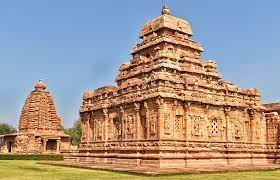
Pattadakal temple:
The temple complex at Pattadakal is one of the four significant Chalukyan sites in the Malaprabha valley, alongside Badami, Aihole, and Mahakuta. Constructed during the final phase of their reign, these temples are considered to showcase the most refined and grandest architectural achievements of the Chalukyan dynasty.
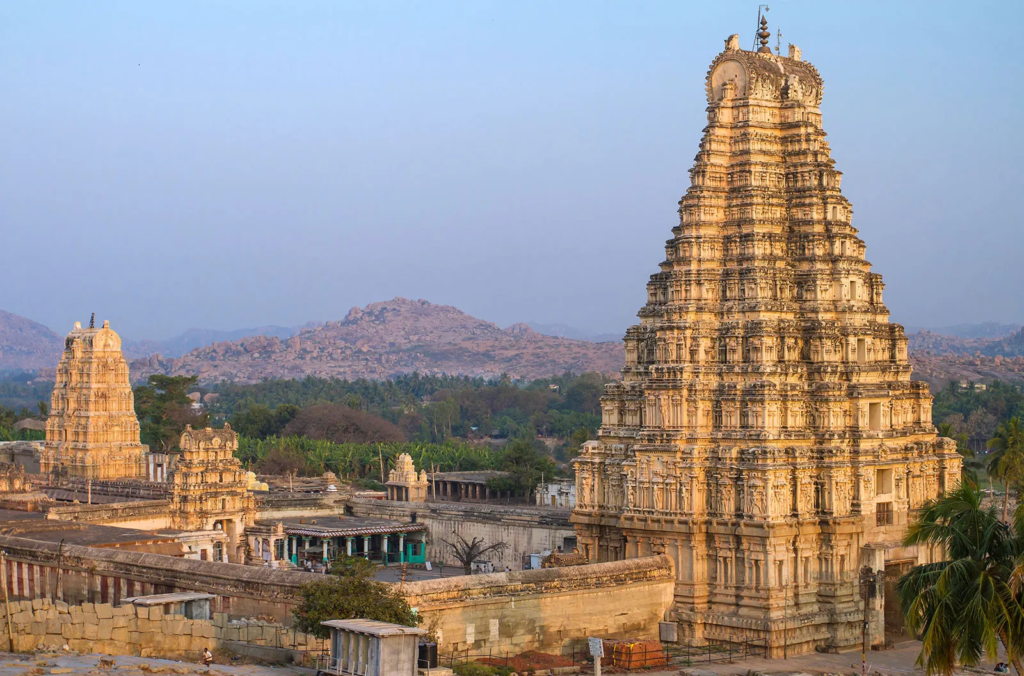
Virupaksha Temple:
A historic Hindu temple located in Hampi, an ancient village in Karnataka, southern India, was constructed in the 7th century CE and continues to serve as a place of worship. Nestled in the southern part of the Indian peninsula, within a rugged granite landscape shaped by the turbulent Tungabhadra River, the awe-inspiring ruins of Hampi stand as a testament to a rich cultural heritage.

Chola temple:
The Great Living Chola Temples were built by kings of the Chola Empire, which stretched over all of south India and the neighbouring islands. The site includes three great 11th- and 12th-century Temples: the Brihadisvara Temple at Thanjavur, the Brihadisvara Temple at Gangaikondacholisvaram and the Airavatesvara Temple at Darasuram.
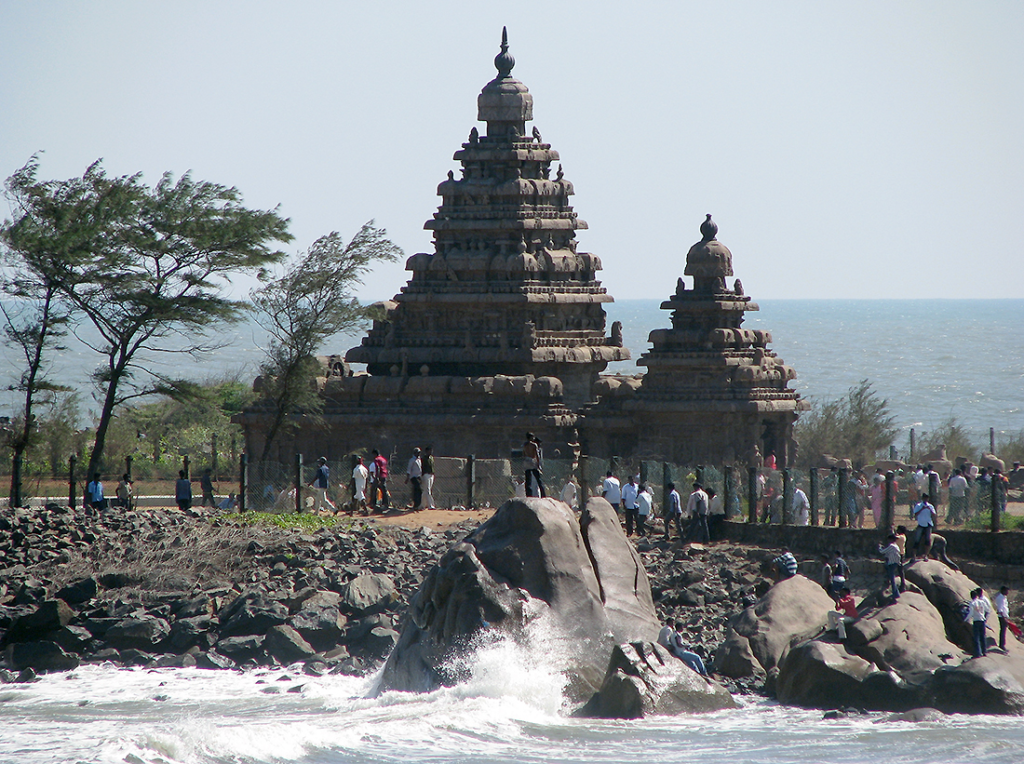
Shore Temple:
On the shores of the Bay of Bengal, one of the world’s largest bays, lies a temple complex inspired by the sea and its natural rock formations. The magnificent Shore Temple, locally known as Alaivay-k-kovil, stands beside the sea in the quaint town of Mamallapuram in Tamil Nadu, India.
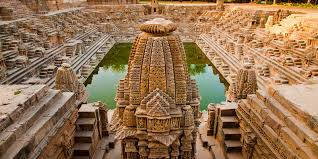
Modhera Sun Temple:
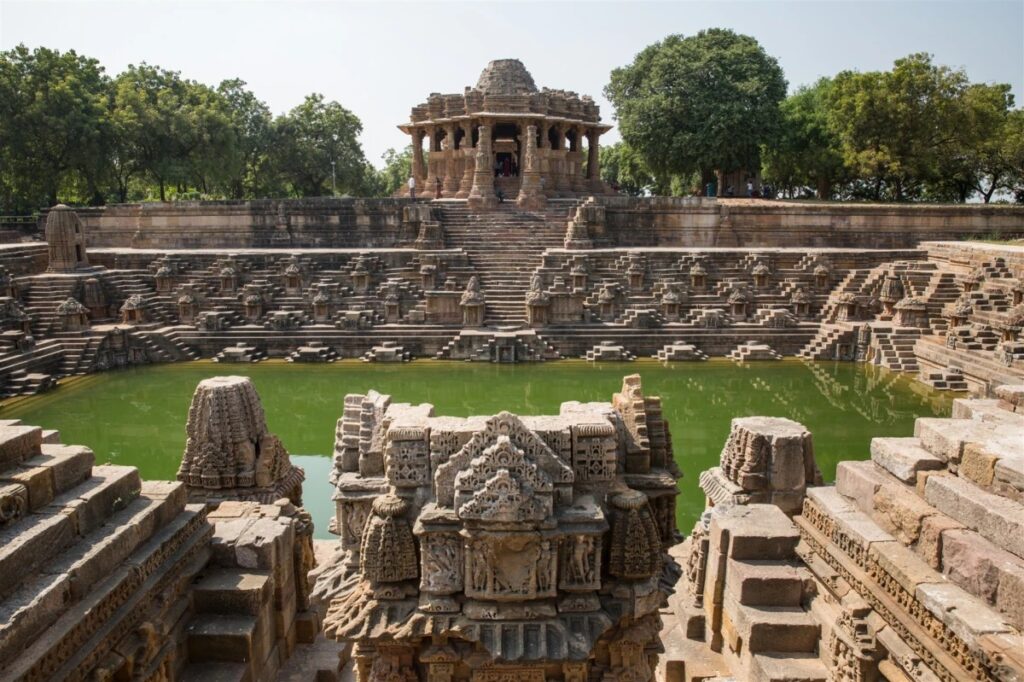
The Sun Temple in Modhera, Gujarat, is one of India’s most beautifully sculpted temples, dedicated to the Hindu Sun God. Although worship is no longer conducted here, the temple remains a significant symbol of Gujarat’s rich history and cultural heritage.