Race Heats Up for ‘Operation Sindoor’ Trademark As Reliance, Lawyer, and IAF Veteran File Claims

Army Chief Grants Full Authority For Strong Response To Pakistan Amid Ongoing Operation Sindoor
New Delhi, May 8: Just hours after the announcement of India’s high-profile military mission “Operation Sindoor,” Reliance Industries Limited became the first to file for a trademark under the same name. Within the next few hours on May 7, three more applications followed — from Delhi-based lawyer Alok Kothari, retired Group Captain Kamal Singh Oberh, and Mumbai resident Mukesh Chetram Agrawal — all vying for exclusive rights to the phrase under Class 41.
The trademark class covers entertainment, education, media, and cultural services — pointing to potential future use of “Operation Sindoor” as a brand for films, web series, events, or digital content. All applicants have listed the mark as “proposed to be used,” indicating commercial plans are underway but not yet launched.
“Operation Sindoor,” which refers to a recent cross-border military strike by Indian forces, has quickly become a symbol of patriotism and sacrifice, with the term “sindoor” evoking traditional Indian themes of devotion and valor. Its national emotional resonance makes it a highly desirable brand name in the media and cultural space.

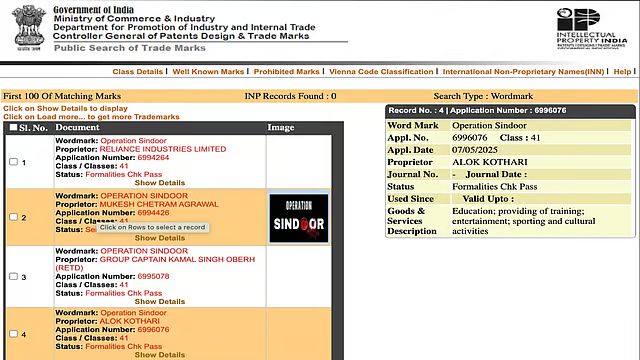
Despite its military origins, names of such operations are not protected intellectual property in India unless explicitly secured by the government. The Ministry of Defence does not generally commercialize these terms, leaving them open for trademark registration by private individuals or companies. However, trademark laws under the Trade Marks Act, 1999 provide safeguards. Applications can be denied if deemed misleading, suggestive of false military association, or offensive to public sentiment.
Under Sections 9(2) and 11 of the Act, the Trade Marks Registry can reject applications that may contravene public policy or imply unauthorized ties to national defense. However, unless challenged, no automatic restrictions prevent private ownership of such terms.
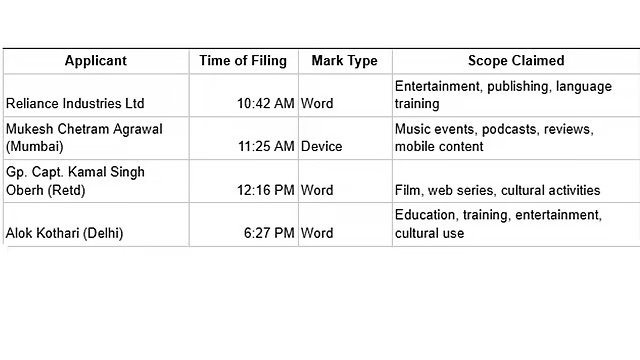
The trademark filing process in India includes examination, public notice, a four-month opposition period, and eventual registration if unopposed. When multiple applications for the same mark are filed, the Registry may suspend examination until disputes are resolved. Coexistence agreements or legal opposition could follow.
As of now, the four competing applications for “Operation Sindoor” are under review, with a decision pending on which, if any, will secure exclusive rights to the now-famous name.