Lifeline of India: The most Revered and Vital Ganges River
Lifeline of India: The most Revered and Vital Ganges River
The Ganges — a sacred, life-giving force that sustains India’s land, people, and spirit.
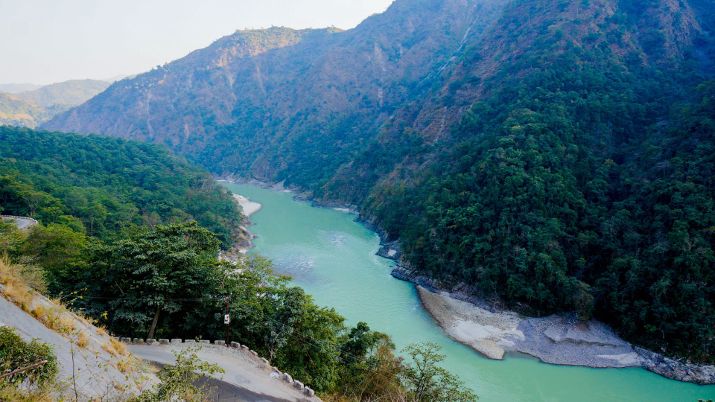
India, often described as a land of rivers, is home to more than 400 waterways that shape its geography, nurture agriculture, and sustain millions of lives. Among these, the Ganges (Ganga) stands out as the most revered and vital river — both a natural and spiritual lifeline for the nation. Originating from the Gangotri Glacier in the Himalayas, the Ganges flows over 2,525 kilometres, traversing the states of Uttarakhand, Uttar Pradesh, Bihar, Jharkhand, and West Bengal before merging with the Bay of Bengal. Along its journey, it nourishes the Gangetic Plain, one of the most fertile regions in the world, supporting nearly 40% of India’s population.
Cradle of Civilization
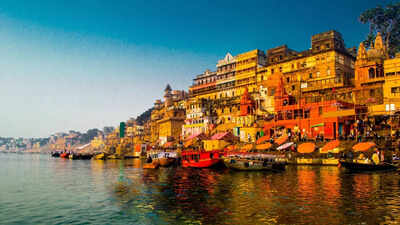
The Ganges Basin has been the cradle of Indian civilization for thousands of years. It witnessed the rise and fall of ancient empires, from the Vedic period to the Mauryan dynasty, and remains a centre of agricultural and cultural activity. The river’s nutrient-rich floodplains fostered thriving urban centres and trade routes, shaping the subcontinent’s socio-economic development. The city of Varanasi (Kashi), one of the world’s oldest continuously inhabited cities, lies along its banks, reflecting a continuity of human settlement and devotion.

Religious and Cultural Significance
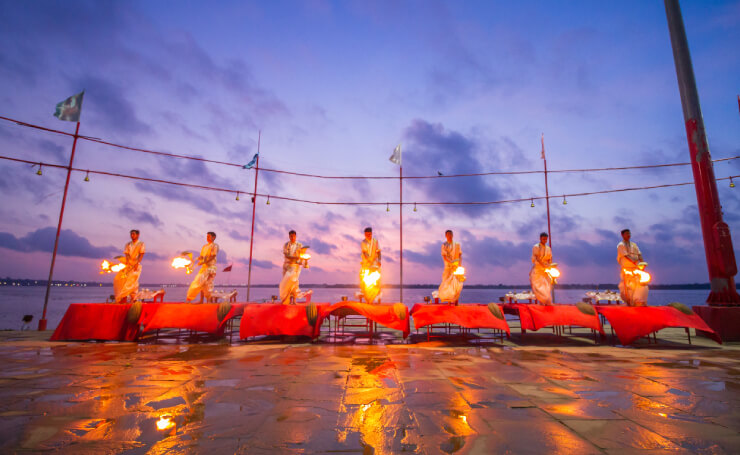
For millions of Hindus, the Ganga is more than a river — she is “Maa Ganga,” a divine goddess believed to have descended from the heavens to purify and sustain life on Earth. According to Hindu mythology, the river emerged from the matted locks of Lord Shiva, flowing down to cleanse humanity of its sins. Devotees believe that bathing in the Ganges washes away impurities and grants spiritual liberation (moksha). The sacred cities of Varanasi and Haridwar are among the most important pilgrimage sites, while the Kumbh Mela, held every twelve years along its banks, is the largest human gathering on Earth — even visible from space.
Ecological Importance
The Ganges River system supports extraordinary biodiversity, hosting over 140 fish species, multiple turtle varieties, and the endangered Ganges River Dolphin, India’s national aquatic animal. Its unique self-purifying ability, attributed to bacteriophages, has fascinated scientists for decades. The river’s sedimentation continuously shapes the Bengal Delta, the largest in the world, enriching the soil for agriculture.
Modern Role and Challenges
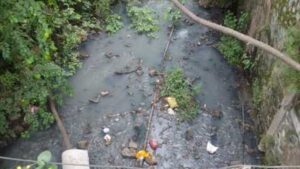
Today, the Ganges remains central to India’s economy and identity. It fuels agriculture, provides drinking water, and sustains industries across the northern plains. However, rapid urbanization and pollution have strained its ecosystem. National initiatives like the Namami Gange Mission aim to restore the river’s health through waste management, afforestation, and community engagement.
Travel and Exploration
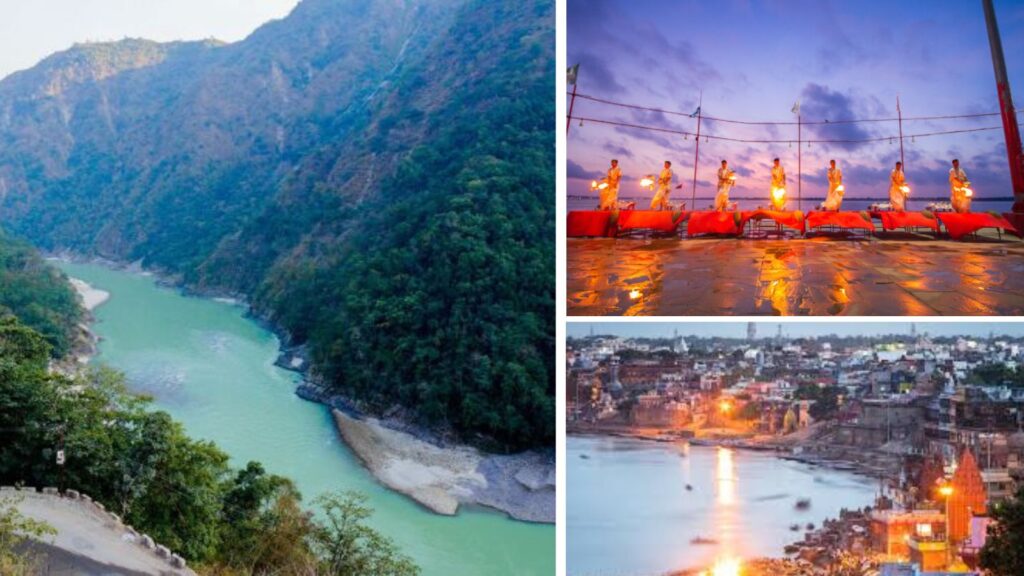
The Ganges Basin offers a remarkable blend of nature, spirituality, and culture. The best time to visit is from October to April, when the weather is pleasant and ideal for travel. Monsoon months (July to September) bring dramatic landscapes, while early summer allows visitors to witness local festivals and religious rituals. Key destinations include Rishikesh, Haridwar, Varanasi, Allahabad (Prayagraj), and Kolkata, each reflecting a unique connection with the sacred river.

Fascinating Facts
- Origin: Gangotri Glacier, Uttarakhand
- Confluence: Bay of Bengal via the Sundarbans Delta
- Length: 2,525 km
- Major Tributaries: Yamuna, Ghaghara, Gandak, and Kosi
- Distributary: Hooghly River, flowing through Kolkata
- Unique Feature: Natural self-purifying ability
- Major Festival: Kumbh Mela, held every 12 years

The Ganges is more than just a river — it is a living symbol of India’s continuity, resilience, and faith. From the icy peaks of the Himalayas to the fertile deltas of Bengal, its waters carry the story of a civilization that continues to flow, just like the sacred river itself.