Banning Cellphones in Classrooms Boosts Focus and Test Scores, Finds Study
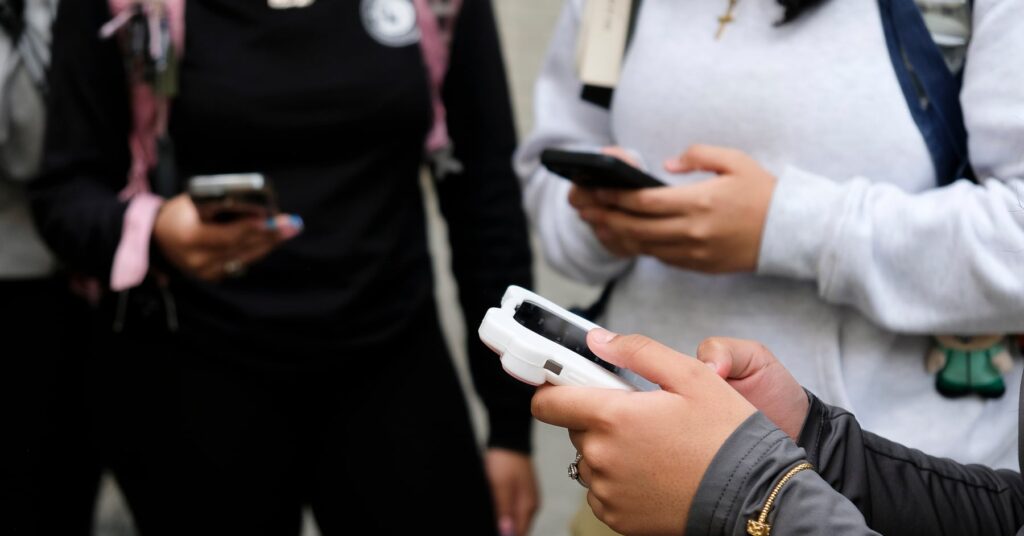
Banning Cellphones in Classrooms Boosts Focus and Test Scores, Finds Study
A new NBER study reveals that schools enforcing a cellphone ban saw improved academic performance, fewer absences, and more engaged students—despite initial discipline challenges.
In an age when smartphones dominate nearly every aspect of life, a new study from Florida is shedding light on their impact inside the classroom. The research, conducted by economists David N. Figlio and Umut Özek and published as a working paper by the National Bureau of Economic Research (NBER), finds that banning cellphones in schools can lead to better test scores, fewer absences, and more focused learning environments.

The study, titled “The Impact of Cellphone Bans in Schools on Student Outcomes: Evidence from Florida,” analyzed data from a large urban school district that introduced a strict “bell-to-bell” cellphone ban. The results were striking: when students no longer had constant access to their devices, classrooms became calmer, and academic performance began to improve—especially in schools where phone use had been heavy before the ban.
However, the transition wasn’t seamless. During the first year, suspensions rose, particularly among Black students, as the policy was enforced and behavior adjusted. But by the second year, test scores climbed notably, and unexcused absences dropped sharply, suggesting that students were spending more time in class and less time distracted by digital diversions.

New evidence on the effect of cell phone bans in schools just dropped.
— John B. Holbein (@JohnHolbein1) October 20, 2025
"Enforcement of cellphone bans in schools led to a significant increase in student suspensions in the short-term … but disciplinary actions began to dissipate after the first year, potentially suggesting a… pic.twitter.com/cgXpzTmW3s
Educational psychologists have long warned that multitasking between lessons and smartphone use reduces attention and memory retention. The Florida findings seem to reinforce that evidence. By removing phones from classrooms, students could devote more attention to lessons rather than notifications, social media, or games.
Researchers also found that the decline in absenteeism explained much of the improvement in academic results, indicating that the ban may have indirectly encouraged students to stay more consistent in attendance and participation.
Despite the overall positive outcomes, the study also highlights some concerns. The initial spike in suspensions underscores the need for fair and balanced enforcement, ensuring that disciplinary measures don’t disproportionately affect marginalized students. Moreover, while the gains were statistically significant, the authors caution that they are “meaningful but not transformative”—suggesting cellphone bans are helpful but not a cure-all for educational challenges.

For schools considering similar measures, the research offers practical lessons. Successful implementation depends on clear communication, equitable enforcement, and supportive classroom strategies. Teachers may need alternative methods to keep students engaged or digitally connected for academic purposes without allowing personal devices to become distractions.
Ultimately, the study offers a compelling reminder that less screen time can mean more learning time—and that even modest policy shifts, when carefully designed, can make a measurable difference in students’ academic and behavioral outcomes.