This Country is Defined by its Mountains and is Home to the World’s Highest Peaks
This Country is Defined by its Mountains and is Home to the World’s Highest Peaks
With unmatched elevation, natural beauty, cultural richness and global significance in mountaineering, Nepal remains the undisputed mountain capital of the world.
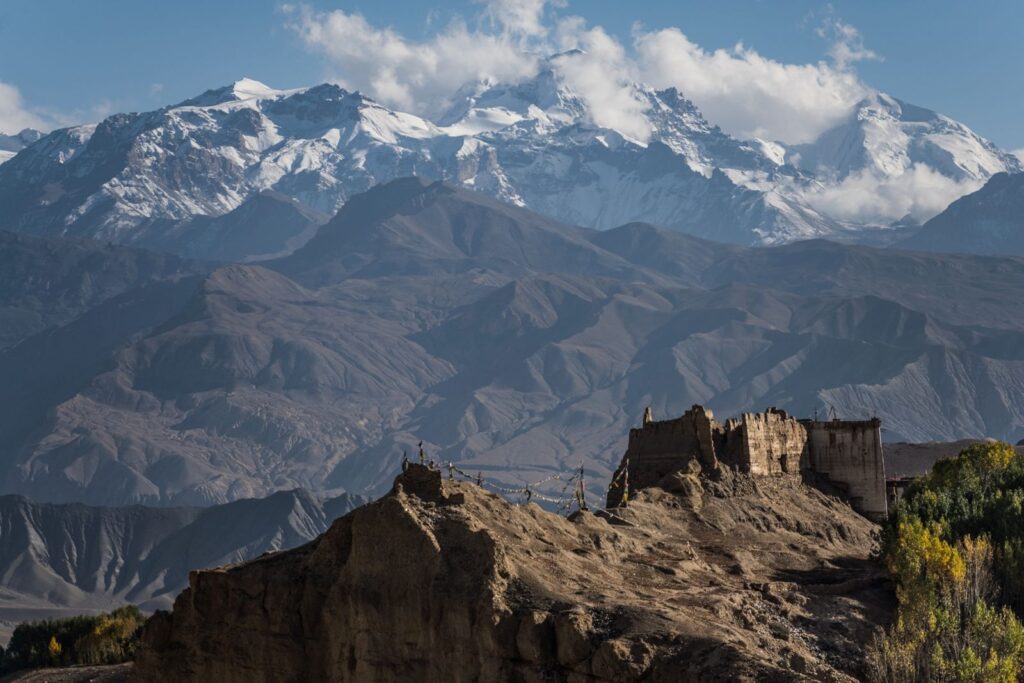
Nepal is often described as the most mountainous country on Earth and for good reason. Nearly three-quarters of its land rises into steep hills, rugged ridges, glacial valleys and towering Himalayan summits. It is the only nation in the world that contains 8 of the 10 tallest mountains, including the highest of all: Mount Everest (8,848.86 m). This extraordinary geography shapes everything about Nepal—from its climate and culture to its lifestyle, identity and global reputation.
Why Nepal Is So Mountainous
The reason for Nepal’s dramatic terrain lies deep beneath its surface. Millions of years ago, the Indian Plate collided with the Eurasian Plate, forcing the land upward and giving birth to the Himalayan range. This collision is still happening today, which is why the mountains continue to rise by a few millimeters every year. As a result, Nepal has one of the sharpest elevation changes in the world—from lowland plains to the top of Everest within just a few hundred kilometers.
A Landscape That Attracts the World
Nepal is one of the world’s biggest adventure tourism hubs. Every year, millions of trekkers and climbers visit for iconic trails such as the Everest Base Camp trek, Annapurna Circuit, Manaslu, and Langtang Valley. Tourism provides vital income, creates jobs for guides and porters, and helps sustain remote mountain communities that rely heavily on visitors.

Mountains and Culture
For Nepali people, mountains are not just geological structures, they are sacred. Many peaks are believed to be the homes of gods and protective spirits. Climbers often perform rituals before expeditions, and communities celebrate mountain festivals that honour the divine presence of these peaks. This deep respect is woven into Nepal’s identity, shaping stories, traditions and the spiritual relationship people maintain with the natural world.
The Eight Tallest Peaks Found in Nepal
1. Mount Everest – 8,848.86 m
The highest point on Earth. Known globally as the ultimate climbing challenge, Everest has made Nepal a household name worldwide and supports a major part of the country’s tourism economy.
2. Kanchenjunga – 8,586 m
Situated on the Nepal–India border, it is revered for its remote beauty and spiritual significance. Locals believe it is protected by mountain deities.
3. Lhotse – 8,516 m
Everest’s closest neighbour, forming an iconic wall of ice and rock. Its steep faces attract elite mountaineers.
4. Makalu – 8,485 m
Recognisable for its perfect pyramid shape. Extremely challenging, with sharp ridges and unpredictable weather.
5. Cho Oyu – 8,188 m
Considered one of the more accessible 8,000-metre mountains. Popular among climbers preparing for Everest.
(Nepal also hosts Manaslu, Dhaulagiri I and Annapurna I — completing the list of eight 8,000-metre peaks.)
Why Nepal Leads the World in High Peaks
- The Himalayan range runs almost the entire length of the country.
- 75% of Nepal’s terrain is mountainous or hilly.
- The region is still geologically active, with mountains rising each year.
- No other country has such a dense concentration of extreme-height peaks.
A Nation Defined by Its Mountains
Nepal’s geography affects every aspect of life the agriculture practices, settlement patterns, festivals, clothing, and architecture. Its mountains create unique climates, rare biodiversity zones, and some of the most breathtaking natural scenery found anywhere in the world.