Running Old Vehicles To Get Costlier As Government Hikes Fitness Test Fees Up To Tenfold
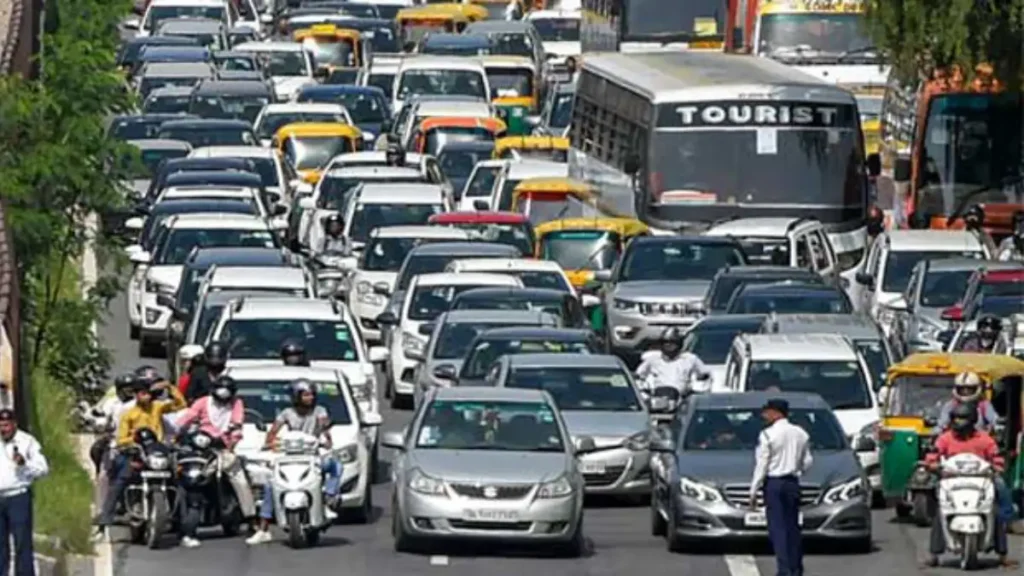
Pune Traffic Congestion Debated In Winter Session; Govt Sets Timelines For Ring Road, Metro And Key Road Projects ( Representative Image )
New age-based fee slabs take effect nationwide; vehicles over 20 years face the steepest rise.
The cost of keeping older vehicles on Indian roads has increased sharply, with the Ministry of Road Transport and Highways revising fitness test fees by as much as ten times. The amendments, notified under the Central Motor Vehicle Rules (Fifth Amendment), are now in effect across the country, fundamentally changing how vehicle fitness certification is priced.
A major change lies in the age threshold. Earlier, higher fees applied only to vehicles older than 15 years. Under the revised structure, increased charges now begin the moment a vehicle completes 10 years, with three new age slabs introduced: 10–15 years, 15–20 years, and more than 20 years. Fees progressively rise with every category, replacing the previous flat-rate system.
The steepest hikes affect heavy commercial vehicles. Trucks and buses over 20 years old will now pay ₹25,000 for a fitness test, a tenfold increase from the earlier ₹2,500. Medium commercial vehicles in the same bracket will pay ₹20,000, up from ₹1,800. Light motor vehicles older than 20 years will be charged ₹15,000, while three-wheelers face a fee of ₹7,000. Two-wheelers crossing the 20-year mark will now pay ₹2,000, compared to ₹600 earlier.

Even younger vehicles are not exempt. For vehicles under 15 years, updated Rule 81 sets new fitness fees at ₹400 for motorcycles, ₹600 for LMVs, and ₹1,000 for medium and heavy commercial vehicles. These revised amounts apply starting from the vehicle’s tenth year onwards.
The changes cover every vehicle category two-wheelers, three-wheelers, quadricycles, LMVs, and all commercial vehicles with charges rising as the vehicle ages. The government says that the new fee structure is designed to discourage the prolonged use of older, unsafe, and polluting vehicles and to push owners toward phasing them out in favour of safer, cleaner alternatives.
For commercial operators, especially those running ageing fleets, the revised fees represent a significant cost escalation. The government has stated that the move is part of a broader strategy to improve road safety, emissions compliance, and operational standards for vehicles nearing or exceeding their intended lifespan.