Aadhaar Undergoes Revolutionary Changes: Address and Birth Date Removed, QR Code and Face Verification Take Center Stage
Aadhaar Undergoes Revolutionary Changes: Address and Birth Date Removed, QR Code and Face Verification Take Center Stage
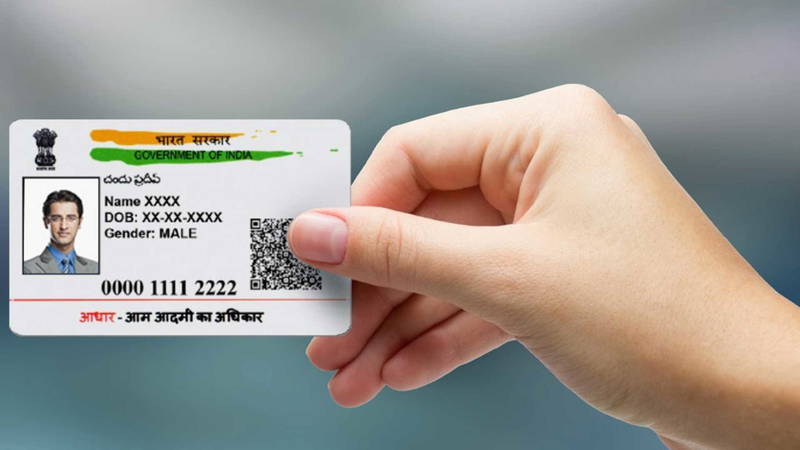
The way Indians prove their identity is set to change dramatically. The government and the Unique Identification Authority of India (UIDAI) are preparing to introduce a new system that will remove personal details like residential addresses and dates of birth from physical Aadhaar cards. Going forward, the card will display only a photo and a QR code, ushering in a more secure and digital-first approach to identity verification.
The primary aim of this overhaul is to protect personal privacy. UIDAI CEO Bhuvanesh Kumar highlighted that the move is intended to curb the misuse of sensitive information. Traditionally, Aadhaar cards have included details such as your address, father’s name, and date of birth. These printed details are often shared freely with hotels, event organizers, and telecom providers, sometimes without caution. Unfortunately, such widespread circulation increases the risk of identity theft and fraud.
To address this risk, UIDAI will now store all personal information digitally within the QR code rather than printing it on the card. Kumar explained, “If all details remain on the card, people will treat it as the only official document, and misuse will continue. That is why, in the future, only a photo and a QR code will be visible.”

This initiative also marks the end of the habit of sharing physical Aadhaar photocopies for verification purposes. Whether checking into hotels or attending events, offline sharing has been common practice, but the new system will rely exclusively on online verification. Once implemented, Aadhaar will no longer be recognized as a standalone physical document; all verification will be conducted using the QR code or Aadhaar number.
One major benefit of this system is that identity duplication will become nearly impossible. Without online verification, fraudulent attempts will be invalid. Along with the card changes, the Aadhaar mobile application will also be completely revamped. UIDAI has informed banks, fintech firms, and other stakeholders that the current mAadhaar app will be replaced with a brand-new version.
The new app is being developed according to the strict regulations of the Digital Personal Data Protection (DPDP) Act and is expected to roll out fully within 18 months. It will include advanced features designed for user convenience. Updating home addresses will become easier, family members without personal mobile devices can be added, and mobile number updates can be done through face recognition, eliminating long queues.
Verification processes in public spaces will also see a major shift. Cinemas, hotels, and residential societies will rely on QR code scanning. But without a printed address, how will verification work? The answer lies in technology: face verification will become a key part of the process. The Aadhaar holder will show their QR code to a verifier’s scanner (OVSE scanner), which will then request a face scan. Once the system recognizes the individual, it confirms that the person is physically present, ensuring accurate identity and age verification. This prevents minors from using fake IDs to access adult-only spaces. UIDAI plans to begin integrating this new technology soon.