Why is ‘This’ Place Known As ‘Amsterdam Of India’? Here’s The Answer
Why is 'This' Place Known As 'Amsterdam Of India'? Here’s The Answer
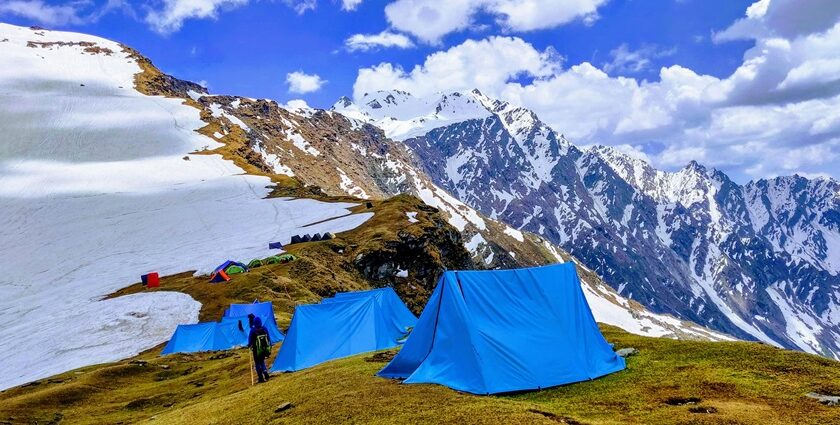
Kasol’s riverside charm, global backpacker culture and unique geography have earned it a European comparison.
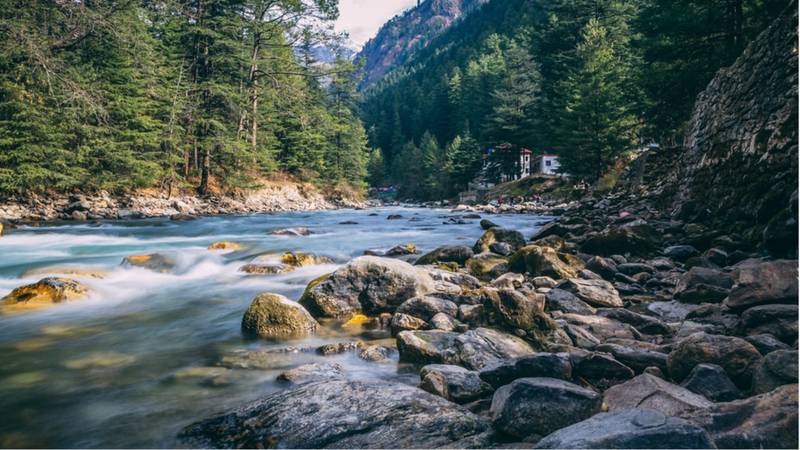
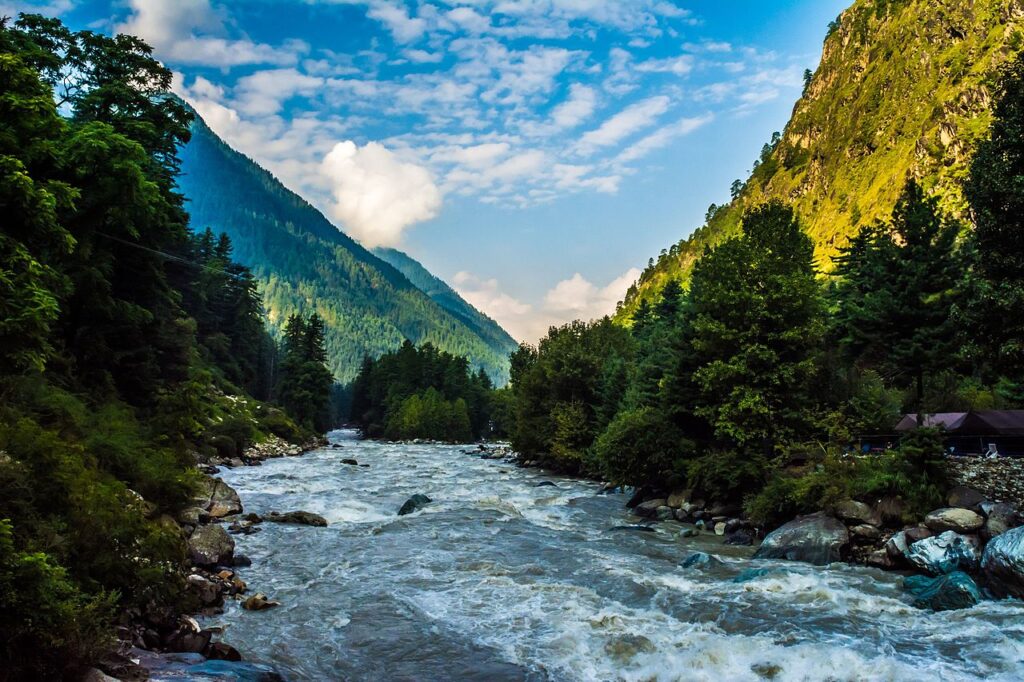
India is known for its varied landscapes from the soaring Himalayas to river-fed valleys and serene lakes that often remind travellers of Europe. Among such destinations, Kasol in Himachal Pradesh stands out and is widely referred to as the “Amsterdam of India.” This small village in the Parvati Valley has become a global backpacker hub, drawing thousands of international visitors every year.
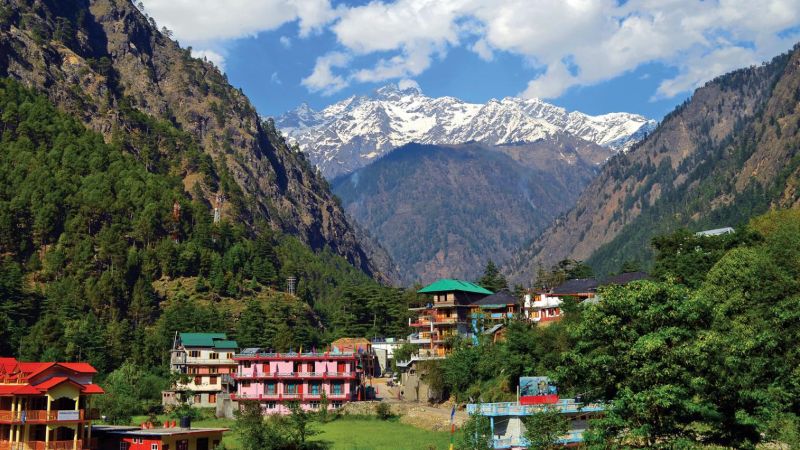
Kasol’s distinct identity comes from its laid-back lifestyle, vibrant café culture, and the steady flow of young travellers, especially from Israel — giving it the additional nickname “Mini Israel.” The village also serves as a base for major Himalayan treks, including the popular Kheerganga trail.
Located around 3.5 km from Manikaran Sahib, Kasol benefits from the region’s famous hot sulphur springs, which naturally reach extremely high temperatures and are traditionally believed to have therapeutic qualities.

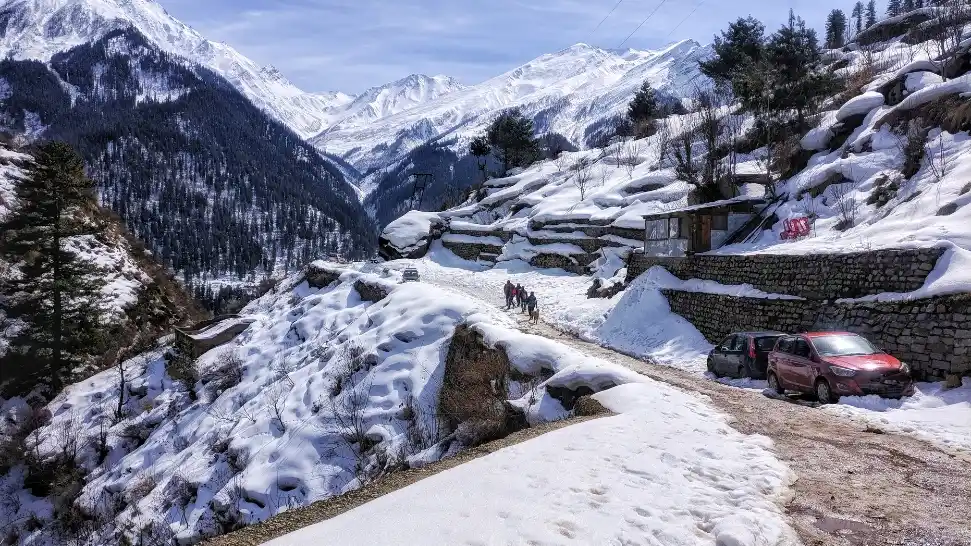
The village is geographically split into Old Kasol and New Kasol, connected only by a bridge across the Parvati River. Its altitude of roughly 1,580 metres, along with dense forest cover, keeps air pollution significantly lower than in urban centres, contributing to its clean, fresh environment. The valley itself lies in the Himalayan seismic zone, an area shaped by active tectonic movement, making it both geographically striking and geologically sensitive.
While Kasol claims the “Amsterdam of India” title for its bohemian and international character, Kerala’s Alleppey region often earns European parallels of its own. Its intricate canals resemble a South Asian counterpart to Venice, shaped by centuries of sediment movement and careful dredging to manage floods. The nearby Kuttanad region, known as the Rice Bowl of Kerala, remains one of the world’s rare farming zones located below sea level.
Both destinations offer a window into India’s remarkable natural variety, each carrying a blend of local culture, global influence and geographical uniqueness that makes them instantly unforgettable.