5 Lesser-Known Cave Sites Travellers Should Add to Their Itinerary
5 Lesser-Known Cave Sites Travellers Should Add to Their Itinerary
Travelers often focus on well-known heritage locations, but several remarkable cave sites across the country receive far less attention despite their historical and archaeological value. These destinations provide clear insights into early craftsmanship, religious practices, and settlement patterns. Each site listed below is accessible to visitors, historically significant, and worth including on a heritage-focused journey.
1. Udayagiri & Khandagiri Caves, Odisha
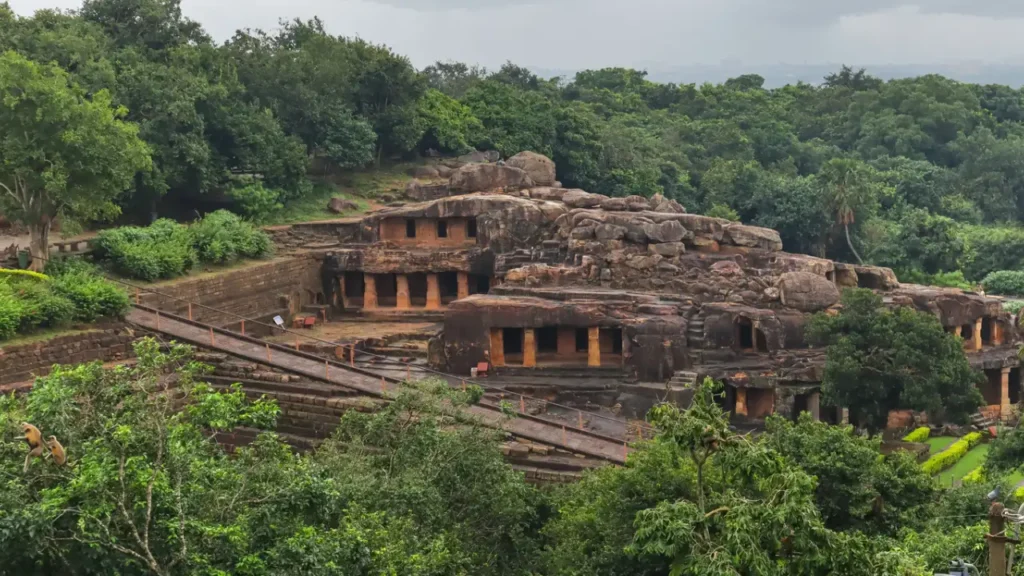
Located on the outskirts of Bhubaneswar, this pair of hill caves stands among the earliest Jain rock-cut structures. Created during the 2nd century BCE under the reign of King Kharavela of the Mahameghavahana dynasty, the site features carved chambers, sculpted passages, and notable inscriptions. The Hathigumpha inscription, engraved on Udayagiri’s main cave, documents Kharavela’s administration and achievements. Numerous carvings of elephants and various motifs highlight early artistic styles. These caves once served as residence and meditation spaces for Jain monks.

2. Barabar Caves, Bihar
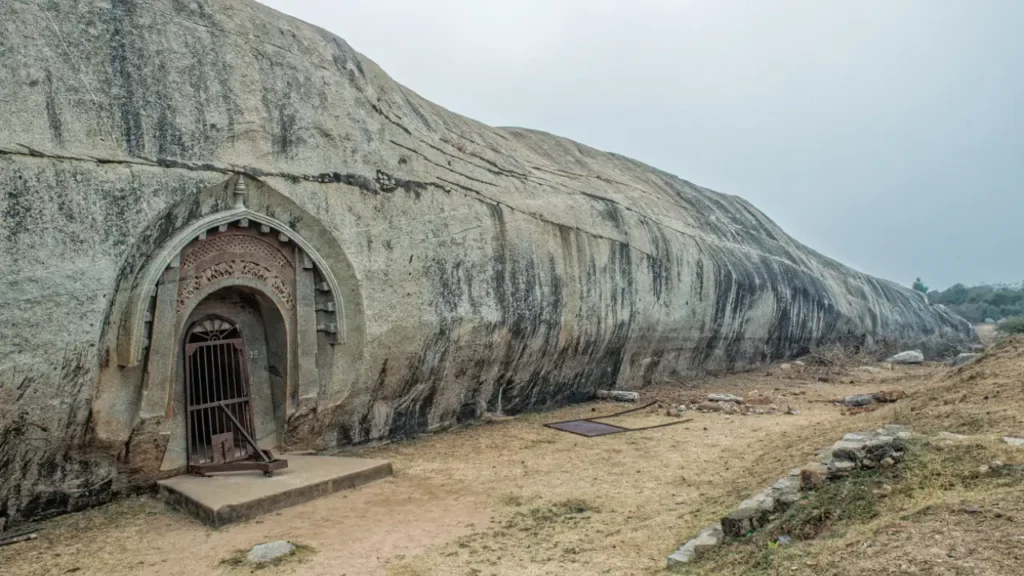
Positioned near Makhdumpur, around 25 km from Jehanabad, the Barabar caves date to the 3rd century BCE. Commissioned during the rule of Emperor Ashoka and later his grandson Dasharatha, these are considered some of the oldest surviving rock-cut caves in the region. The interiors display a distinctive polished granite finish that creates an almost reflective surface. Several inscriptions remain visible, and the layout demonstrates early architectural planning used for Buddhist retreat spaces.
3. Pandavleni Caves, Maharashtra
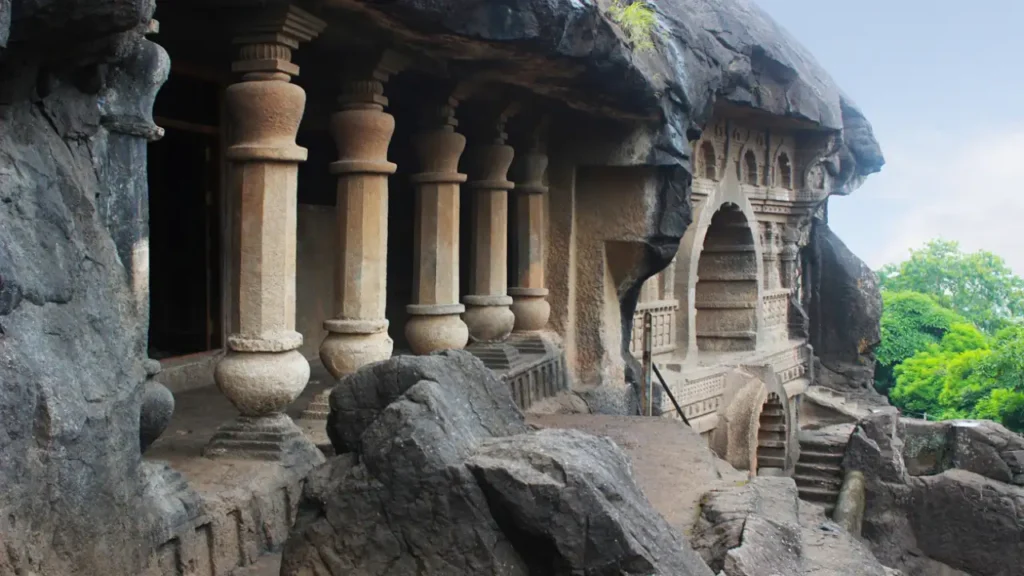
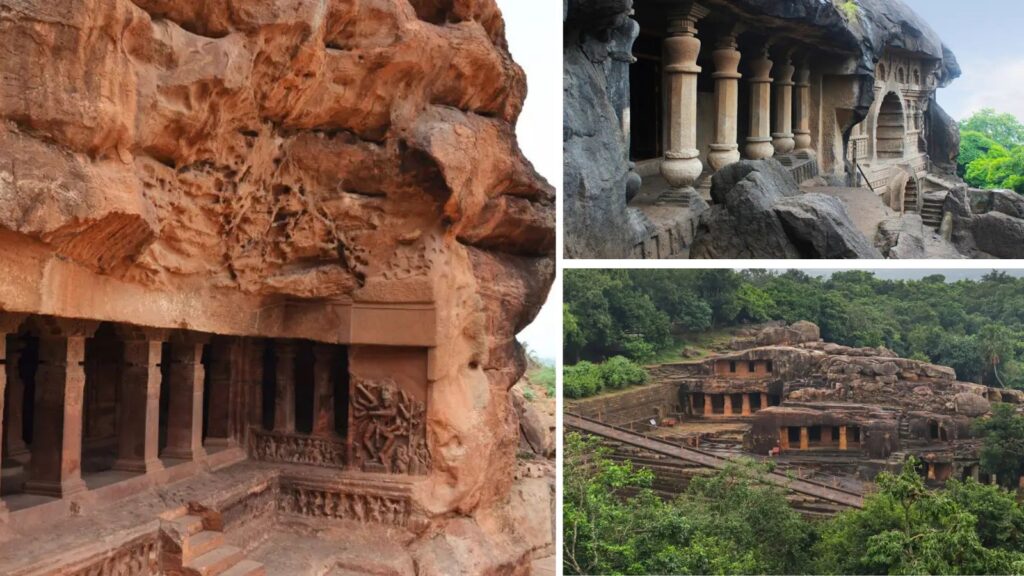
Overlooking Nashik from a hilltop ridge, the Pandavleni complex contains 24 Buddhist caves constructed between the 1st and 3rd centuries BCE. The site includes prayer halls, residential cells, water-storage systems, and carved stone pillars that indicate well-developed monastic living. The climb to the caves is straightforward and attracts visitors who prefer quiet, historically rich environments. Early mornings offer clearer views of the surrounding city from the upper terraces.
4. Jogimara & Sitabenga Caves, Chhattisgarh
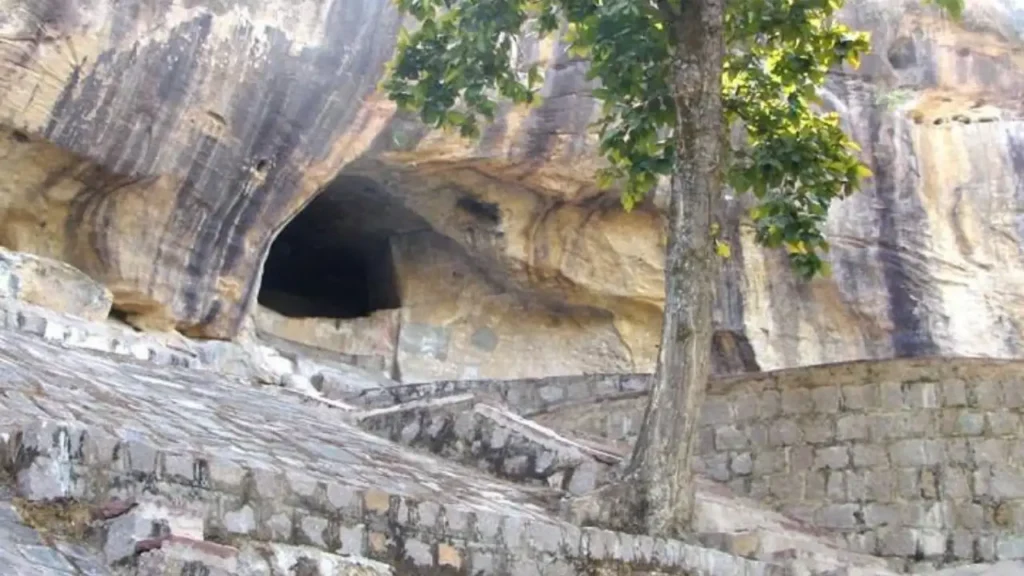
Situated on Ramgarh hill near Ramgarh village, this twin-site complex is dated to the 3rd century BCE. The approach route includes a narrow rock passage known locally as Hathipol, which leads to the two cave areas. Sitabenga contains a carved platform and seating arrangement that resemble an early performance or teaching space. Jogimara holds simple carvings and traces believed to represent some of the earliest examples of artistic expression in the region.
5. Badami Caves, Karnataka
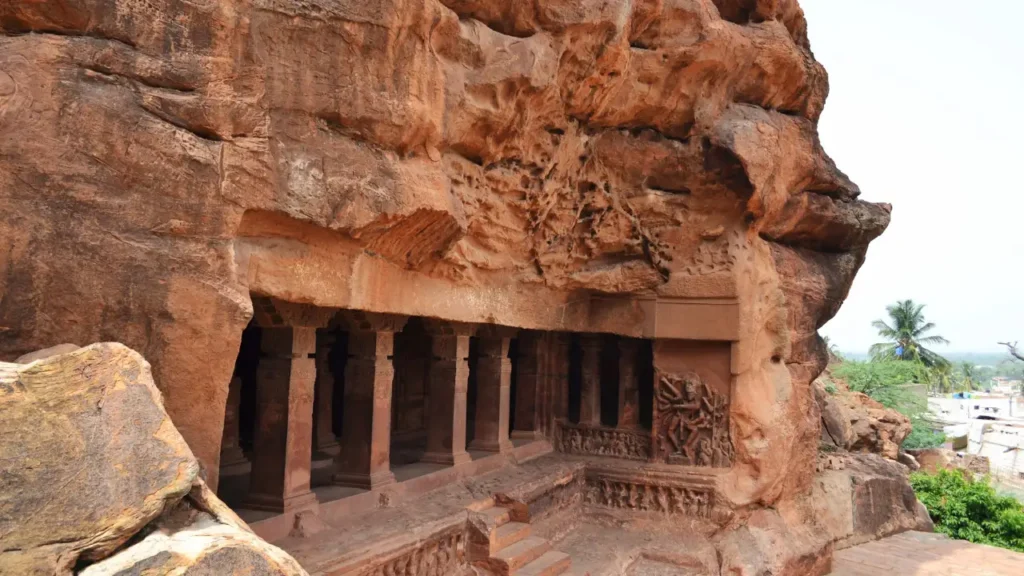
Cut into striking red sandstone cliffs, the Badami caves were created between the 6th and 8th centuries. The complex includes four main cave temples, each featuring detailed carvings and distinctive iconography. The first cave is dedicated to Shiva and displays the well-known relief of Nataraja with 18 arms. The second and third are centered on Vishnu, and the fourth cave is connected to Jain traditions, containing images of Jain Tirthankaras. Visitors can also view the town’s lake and surrounding heritage structures from the elevated pathways.