Mumbai’s Hidden Heritage Koliwada Preserving Centuries-Old Fishing Culture Amidst Modern Metropolis

Mumbai's Hidden Heritage Koliwada Preserving Centuries-Old Fishing Culture Amidst Modern Metropolis
Located on Madh Island near Malad, this coastal hamlet offers tourists a glimpse into the authentic Koli lifestyle with pristine beaches, Portuguese architecture, and traditional seafood cuisine
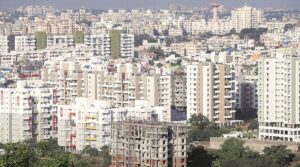
Mumbai, known worldwide as India’s financial capital and Bollywood’s home, carries a lesser-known identity as the city of fisherfolk. Hidden among towering skyscrapers and sprawling commercial zones lie numerous Koliwadas, traditional fishing villages that have preserved their unique culture for centuries. Bhati village on Madh Island stands as one of these remarkable heritage settlements, offering visitors an authentic window into Mumbai’s original coastal communities.
The Original Mumbaikars
The Koli community represents Mumbai’s oldest inhabitants, with historical evidence suggesting their presence since the Stone Age. According to the Mahikavatichi Bakhar, a medieval chronicle dating back to the 12th-13th century, Kolis have been fishing in Mumbai’s waters for at least 700 to 800 years. These fishing communities established settlements known as Koliwadas across the region’s seven original islands that later merged to form present-day Mumbai.

Today, 36 Koliwadas exist across Mumbai, scattered through areas including Mahim, Dharavi, Sewri, Worli, Vesava, Girgaon, Colaba, and Madh. While the cityscape has rapidly evolved through decades and centuries, most native Koliwadas have remained largely unchanged, standing as living links to Mumbai’s distant past.
Bhati Village: A Peaceful Coastal Retreat
Bhati village sits in the Madh Island area of Malad’s western suburbs, bordering the Arabian Sea. The settlement remains remarkably preserved amidst the elite neighborhoods and high-rise developments that characterize modern Mumbai. Home to approximately 200 families, the village has maintained its traditional character despite urbanization pressures surrounding it.
The location offers visitors a peaceful escape from Mumbai’s notorious hustle and bustle. Unlike the city’s congested streets and towering concrete structures, Bhati presents narrow lanes lined with small, colorful houses featuring Portuguese architectural influences. The village’s proximity to pristine beaches and serene natural surroundings creates an atmosphere distinct from typical Mumbai experiences.
Cultural Heritage And Daily Life
Walking through Bhati Koliwada evokes memories of old Mumbai when fishing villages dotted the coastline and life revolved around the sea’s rhythms. The village features a traditional bandar (seashore) near the boat jetty where fishing boats anchor. Fishing nets and equipment lie scattered around this communal gathering space, which also serves as a drying area for fish during summer months.
The machhi market (fish market) operates near the village entrance, showcasing the day’s fresh catch brought in by local fishermen. These markets remain central to Koliwada life, providing livelihoods for numerous families and supplying Mumbai with fresh seafood. Visitors can observe fishermen repairing boats, mending nets, or preparing for sea trips, maintaining practices passed down through generations.
Bhati village, along with neighboring Erangal and Madh villages, collaborates in organizing important festivals and celebrations. The St. Bonaventure feast at the Erangal church attracts both Christian and Hindu communities in January. The Urus at the local Pir Baba dargah in February sees villagers organizing processions and ferry services to the shrine on Ambu Bet island.
Tourist Attractions And Activities
Bhati Koliwada Beach offers pristine shores relatively untouched by commercial development. The clean sands and gentle waves provide ideal conditions for relaxation, swimming, and beach walks. The old church near the village showcases Portuguese colonial architecture, reflecting the historical influences that shaped the region during centuries of European presence.
The village’s scenic beauty attracts photography enthusiasts who capture the contrast between traditional fishing life and Mumbai’s modern skyline visible in the distance. The colorful houses, fishing boats, and coastal landscapes create picture-perfect settings throughout the day, with sunsets over the Arabian Sea being particularly spectacular.
For food enthusiasts, Bhati offers authentic Koli cuisine through roadside eateries run by local women. These establishments serve traditional seafood dishes prepared using recipes preserved for generations. Fresh fish, prawns, crabs, and other marine catches feature prominently in meals bursting with rich flavors and spices unique to coastal Maharashtra.
Nearby Attractions
Several attractions surround Bhati village, making it an ideal base for weekend exploration. Aksa Beach, approximately 3 kilometers away, ranks among Mumbai’s cleanest and least crowded beaches. The extensive shoreline provides space for water sports, beach games, and peaceful strolls along the coast.
Madh Fort, built by Portuguese colonizers and later captured by Marathas in 1739, overlooks the Arabian Sea. This heritage monument offers historical insights into the region’s strategic importance during colonial periods. The fort’s vantage point provides panoramic views of the coastline and surrounding areas.
Dana Pani and Silver Beach offer additional coastal experiences within short distances. Erangal village, Bhati’s immediate neighbor, features its own fishing community and the historic St. Bonaventure Church. The interconnected villages create an extended heritage zone where traditional coastal life continues amid modern Mumbai’s expansion.
Preservation Challenges
Despite their historical and cultural significance, Mumbai’s Koliwadas face existential threats from urban development pressures. The scrapped Development Plan 2034 had controversially designated these heritage villages as slums and clusters, alarming residents who saw it as an attempt to erase their communities under the guise of planned development.
A Bhati resident, articulated community concerns: How can authorities label villages that have existed for centuries as slums without understanding their population, history, and culture? Residents emphasize their crucial role in providing fresh seafood to Mumbai and the wider region, questioning who would continue this essential work if fishing communities are displaced.
The Koli community seeks official recognition and protection for their settlements as heritage sites deserving preservation rather than redevelopment. They advocate for development plans that acknowledge their historical significance and cultural contributions while improving infrastructure without destroying the villages’ essential character.
Visiting Bhati Village
Bhati village sits approximately 30 kilometers from Mumbai’s city center, accessible via Malad railway station. Local buses including routes 269 and 271 connect Malad to Madh Island, with Bhati Village Bus Station serving as the nearest stop. The journey takes approximately one to two hours depending on traffic conditions.
The village welcomes tourists year-round, though the November to February winter period offers the most comfortable weather for exploration. December temperatures range from 20 to 28 degrees Celsius, ideal for beach activities and village walks. The monsoon season from June to September brings dramatic coastal beauty but may limit outdoor activities.
Budget accommodations and homestays operate in and around Madh Island, with options ranging from basic guesthouses to boutique beach houses. Several properties offer authentic Koliwada experiences, allowing guests to engage with local families and participate in fishing activities or cooking sessions featuring traditional seafood preparations.
A Living Heritage
Bhati village represents more than a tourist destination. It embodies Mumbai’s authentic identity as a coastal city whose roots lie in fishing communities rather than commerce and industry. The Koliwadas serve as reminders that beneath the modern metropolis lies an ancient relationship between people and the sea, sustained through centuries of tradition and cultural continuity.
For visitors seeking to understand Mumbai beyond its commercial facades and Bollywood glamour, Bhati offers an invaluable perspective. The village demonstrates how traditional communities navigate modernity while preserving their essential identity, providing lessons in cultural resilience relevant far beyond this small coastal settlement.
As Mumbai continues evolving into a global megacity, places like Bhati village become increasingly precious. They offer connections to the past, anchors of authentic culture, and living examples of sustainable coastal lifestyles developed over millennia. Preserving these heritage villages ensures that future generations can experience and learn from Mumbai’s original communities, the fisherfolk who first called these islands home.