How Mega Rail Hubs Keep Cities Moving? An Overview
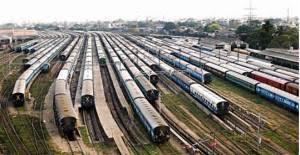
How Mega Rail Hubs Keep Cities Moving? An Overview
From packed platforms to seamless interchanges, the world’s busiest railway stations reveal how modern cities function, commute, and grow.
Train stations today are far more than transit points. In the world’s largest and densest cities, they act as the central engines that sustain daily life, moving millions of people to workplaces, schools, markets, and cultural spaces. Every day, commuters, students, shoppers, and tourists pass through these vast hubs, making them among the most intense human movement zones on the planet.
The busiest train stations are designed to manage extraordinary passenger volumes while functioning almost like self-contained cities. Alongside rail services, many operate as shopping complexes, business centres, and social spaces. Their scale and efficiency reflect not only transport demand but also the rhythm of urban life and population density.
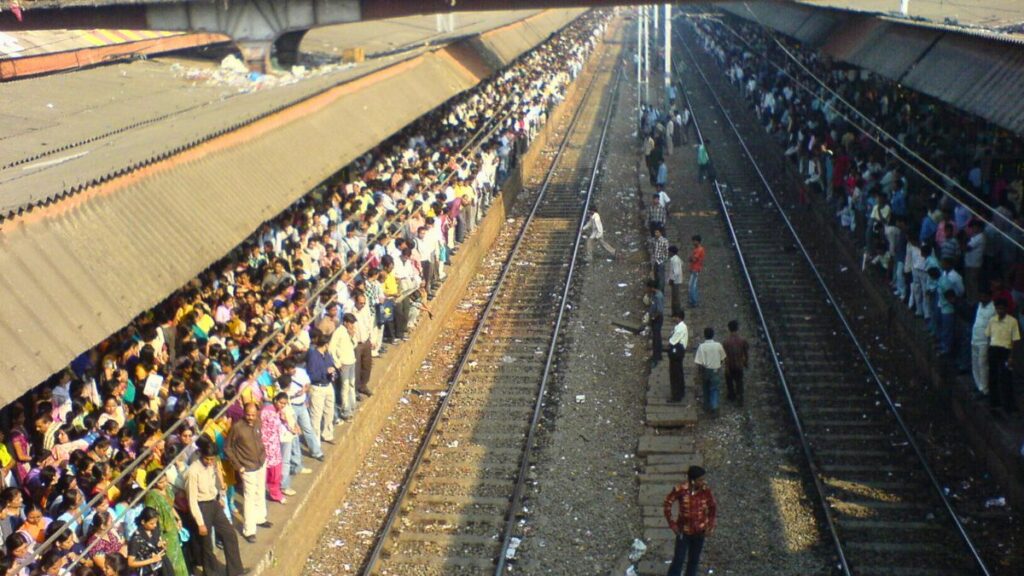
India and Japan stand out prominently in this global landscape. In India, the pressure on rail infrastructure is particularly visible in metropolitan centres where suburban and long-distance travel intersect.

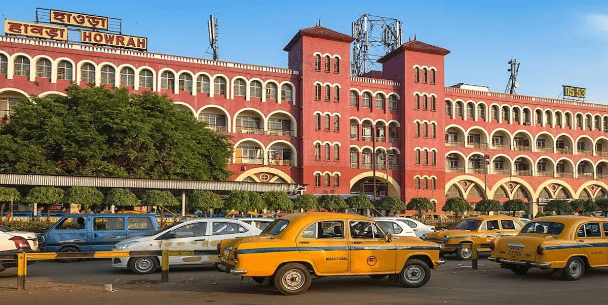
Howrah Station in Kolkata is one of the most heavily trafficked railway terminals in the world. With an estimated annual footfall of around 547 million passengers, it serves as a critical interchange hub connecting suburban, regional, and long-distance trains across eastern India. Operational since 1854, Howrah functions under the Eastern and South Eastern Railways and remains indispensable despite repeated capacity upgrades.
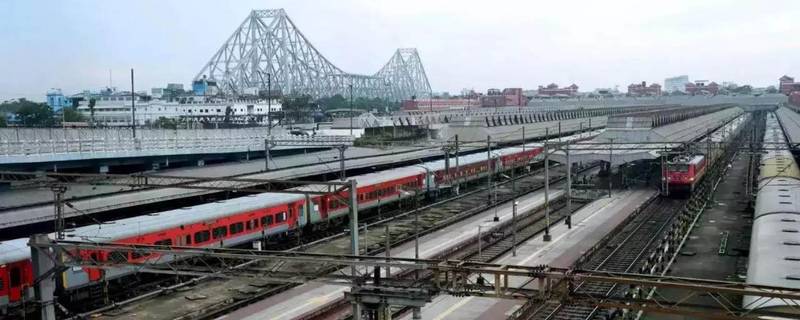
Located beside the iconic Howrah Bridge, the station offers the closest rail access to central Kolkata. Over the years, several overhauls have improved amenities and passenger flow. Yet, due to the sheer number of daily commuters, the station continues to experience chronic congestion, especially during peak hours. Its persistent crowding highlights both the success and strain of India’s rail-dependent urban mobility.
Not far away, Sealdah Station represents another pillar of Kolkata’s transport ecosystem. Handling nearly 438 million passengers annually, Sealdah is a cornerstone of the city’s suburban rail network. Operational since 1869, the station is divided into three distinct sections, each catering to different services and passenger flows.
Sealdah plays a crucial role for residents from Kolkata’s peripheral and suburban areas, enabling daily access to the city centre for work and education. Continuous infrastructure upgrades are underway to improve efficiency, safety, and passenger comfort, reflecting the growing reliance on rail travel in expanding urban regions.
Globally, similar patterns emerge. In Japan, major stations seamlessly integrate rail, metro, retail, and office spaces, allowing them to manage massive footfalls with remarkable precision. These stations demonstrate how urban rail systems evolve to support dense populations without relying solely on road transport.
Studying the world’s busiest train stations offers valuable insight into travel habits, economic activity, and urban planning priorities. They show how cities adapt to population growth, balance efficiency with accessibility, and depend on rail networks as lifelines rather than conveniences.
As cities continue to expand, these mega stations will only grow in importance. Their ability to move millions daily is not just a transport achievement but a reflection of how modern urban life is structured—fast-paced, interconnected, and heavily reliant on mass transit to function.