Madras High Court Urges Centre to Consider Australia-Style Ban on Social Media for Children Under 16
Madras High Court Urges Centre to Consider Australia-Style Ban on Social Media for Children Under 16
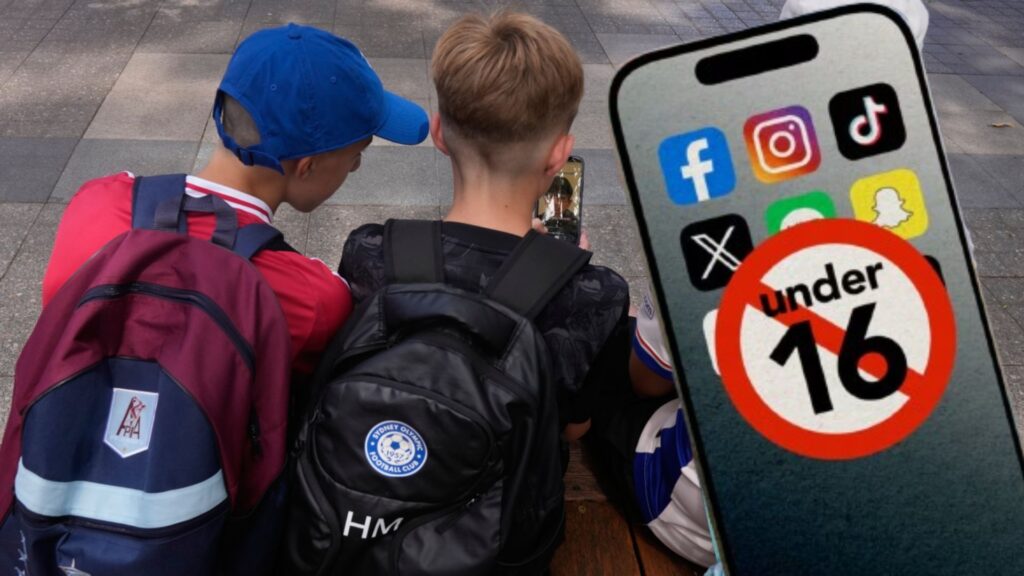
The Madras High Court has recommended that the central government consider implementing legislation similar to Australia to restrict social media use for children under 16. The court highlighted growing concerns about online safety for minors, especially regarding the easy accessibility of pornographic content on the internet. This suggestion came during the hearing of a public interest litigation (PIL) seeking directives for internet service providers (ISPs) to offer parental control or “parental window” services to shield children from harmful online material.
The bench, comprising Justices G. Jayachandran and K. K. Ramakrishnan, emphasized that children navigating the internet are extremely vulnerable, making parental responsibility more crucial than ever. They also noted that until such a law is in place, authorities must step up awareness campaigns and spread the message of online safety through all available channels.
Background of the PIL

The PIL was filed in 2018 by S. Vijaykumar from Madurai district, who raised concerns about the widespread and unrestricted availability of pornographic content to children on the internet. The petition urged the National Commission for Protection of Child Rights and the Tamil Nadu State Commission for Protection of Child Rights to use their statutory powers to direct ISPs to implement parental control measures and increase public awareness about digital safety.
Looking to Australian Legislation
During the proceedings, senior lawyers representing the petitioner cited recent Australian legislation that prohibits children under 16 from using the internet and social media. They suggested that India could adopt a similar legal framework to safeguard minors online. The court acknowledged this argument and observed that the affidavits submitted by authorities did not convincingly demonstrate that they are fulfilling their statutory responsibilities.
The court further stressed that spreading awareness about child rights and the available protective measures is a statutory duty of the commissions. While some awareness programs exist in schools, the judges noted that these efforts are currently insufficient.
Beyond Website Blocking
Lawyers representing ISPs informed the court that they periodically review content under the Information Technology (Intermediary Guidelines and Digital Media Ethics Code) Rules, 2021, and block objectionable websites. However, the court clarified that simply blocking websites is not enough to protect children from harmful online content.
The bench emphasized that content related to child sexual abuse continues to exist online and that effective control is possible only through parental control applications available at the user level. Raising consumer awareness about the dangers of child pornography and promoting preventive measures are crucial steps to protect minors.