Worry Hidden Cameras In Hotel Rooms?; Detect Them And Protect Your Privacy Using These Tips
Worry Hidden Cameras In Hotel Rooms?; Detect Them And Protect Your Privacy Using These Tips
From mirrors to Wi-Fi scans, experts explain practical steps travellers can take to avoid illegal surveillance
Concerns around privacy breaches in hotels have grown in recent years after multiple cases of hidden cameras being discovered in guest rooms. These devices, often disguised as everyday objects, can record private moments without consent, making awareness and early detection critical for travellers.
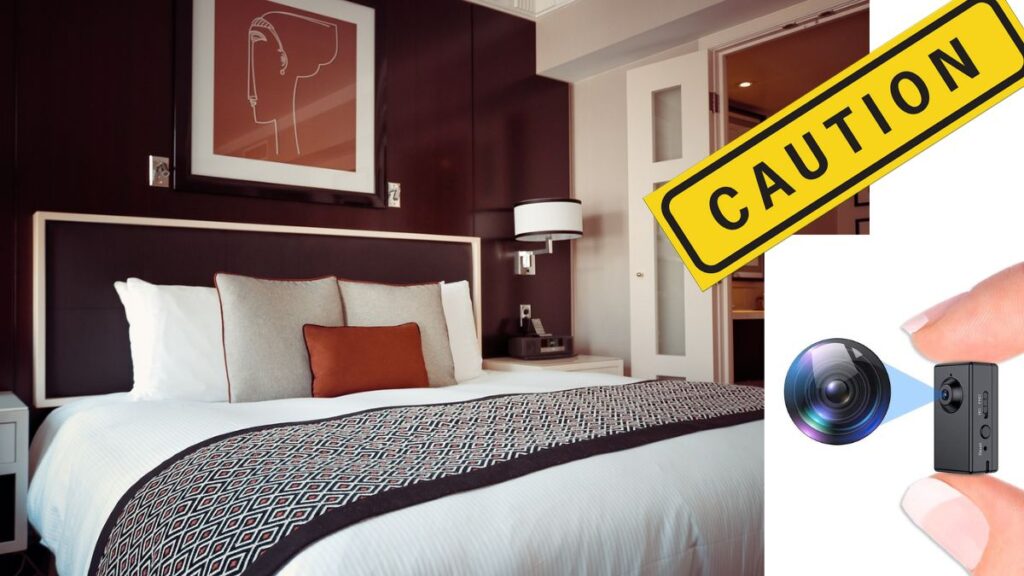
Experts say hidden cameras are usually placed in positions that offer a clear view of the room. Common locations include areas near the bed, behind wall-mounted televisions, inside smoke or carbon monoxide detectors, near charging points, air-conditioning units, alarm clocks, bathroom mirrors, washbasins, and decorative items. In some cases, cameras may also be concealed in power outlets, remote controls, plants, or toiletries.
The first step recommended is a thorough physical inspection of the room immediately after check-in. Travellers are advised to look for any objects that appear out of place, newly installed, or oddly positioned. Paying close attention to the bedroom and bathroom is especially important, as these are the most frequently targeted spaces.

A simple flashlight test can also help identify hidden lenses. By darkening the room and slowly sweeping a phone flashlight across suspicious areas, camera lenses may reflect light differently, appearing as small, bright glares. This method is often effective because camera lenses are designed to capture light efficiently.
Checking mirrors is another commonly suggested precaution. Experts recommend placing a fingernail against the mirror surface. If there is no gap between the nail and its reflection, the mirror could potentially be a two-way mirror, although this test is not foolproof and should be combined with other checks.
Modern hidden cameras are often connected via Wi-Fi. Turning on Wi-Fi on a smartphone and scanning for unfamiliar networks can help identify suspicious devices. Network names containing terms such as “CAM”, “IPCAM”, or unfamiliar device labels may indicate wireless cameras. Mobile apps that list nearby connected devices can assist in identifying unknown hardware on the same network.
Some cameras emit infrared (IR) light for night recording. By opening a smartphone camera in a dark room and scanning slowly, travellers may spot faint blinking or pulsing dots that are not visible to the naked eye. These could indicate an active recording device.
Frequent travellers may also consider using portable spy camera detectors or RF (radio frequency) scanners, which can detect wireless signals emitted by hidden devices. These tools are widely available online and can add an extra layer of protection.
Experts advise that if a suspicious device is found, travellers should avoid touching or removing it. Instead, they should document the finding with photos or videos and immediately inform hotel management and local authorities.
As hidden surveillance becomes easier to carry out using compact technology, awareness remains the strongest defence. Taking a few minutes to inspect a hotel room can significantly reduce the risk of privacy violations and ensure a safer stay.
Disclaimer: This article is for general awareness only and does not replace professional security or legal advice. If you suspect illegal surveillance, contact local authorities immediately.