Does Your Landlord Enter Into Your Flat Anytime He Wishes Unannounced? If You Live On Rent, Know Your Rights
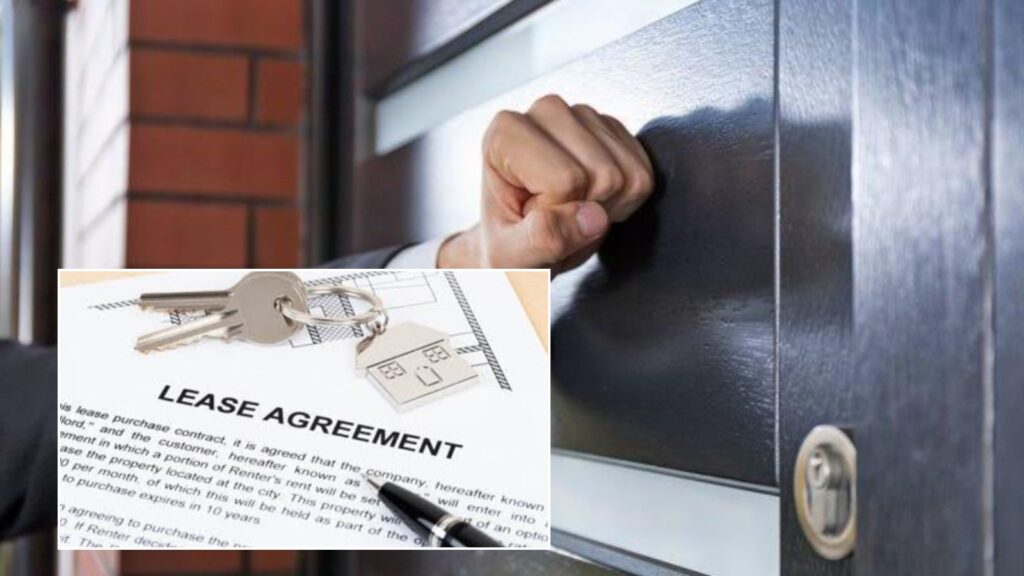
Does Your Landlord Enter Into Your Flat Anytime He Wishes Unannounced? If You Live On Rent, Know Your Rights
The law protects a tenant’s privacy and safety. A rented home is private space, and unannounced entry by a landlord is illegal except under specific, clearly defined conditions.
For millions of Indians who live in rented homes due to work, education, or personal circumstances, a flat is more than just a temporary shelter. It is their private space. Yet many tenants continue to believe that because the landlord owns the property, they can enter it whenever they want. This assumption is incorrect. Indian tenancy laws make it clear that possession gives tenants legal rights, and privacy is one of the most important among them.
Once a house is rented out, it becomes the tenant’s residence for the duration of the agreement. Ownership remains with the landlord, but possession lies with the tenant. That possession carries legal protection. Any entry into the rented premises without the tenant’s consent is treated as a violation of privacy and can amount to harassment.
Under Indian law, landlords cannot barge into a tenant’s home at will. Courts have consistently held that a rented home is the tenant’s private domain. Even the landlord must follow rules to access it. This is meant to ensure that tenants feel secure, respected, and free from mental stress or intimidation.

The Model Tenancy Act (MTA), 2021, which has been adopted by several states, strengthens these protections. Section 17 of the Act clearly states that a landlord must give at least 24 hours’ prior notice in writing before entering the rented premises. The entry must also be for a valid and specific reason. These include inspection, carrying out repairs, addressing safety concerns, or showing the property to prospective tenants or buyers. Casual visits, surprise checks, or “just dropping by” are not allowed.
Even in situations where repairs or maintenance are required, prior intimation is mandatory. The law does not recognise urgency as an excuse for repeated or unplanned entry unless there is a genuine emergency such as fire, gas leakage, flooding, or any situation that poses immediate danger to life or property. Only in such rare cases can a landlord enter without waiting for formal permission.
Despite this, many tenants hesitate to speak up. Some fear losing their accommodation. Others assume this behaviour is normal. Silence, however, only encourages further violations. The law is firmly on the tenant’s side.
If a landlord enters the flat without permission, the tenant has the right to object. The first step should always be documentation. A written message or email stating that unannounced entry is not acceptable helps create a legal record. If the behaviour continues, the tenant can issue a formal legal notice through a lawyer. In more serious cases, approaching the local police or filing a complaint in the appropriate court is entirely justified.
Another crucial point is the rental agreement. A well-drafted agreement should clearly define when and how the landlord can access the property. It should specify notice periods, acceptable reasons for entry, and tenant consent requirements. Written terms reduce disputes and make enforcement easier.
Tenants should also remember that mental harassment is taken seriously under law. Repeated visits, pressure tactics, or attempts to intimidate the tenant into vacating the property can attract legal consequences. A landlord cannot use ownership as a tool to control or disturb a tenant’s daily life.
The idea behind these laws is simple. Renting a home does not mean renting dignity or peace of mind. Privacy is a fundamental right. The home, even if temporarily occupied, must remain a safe and protected space.
In urban India, where renting is common and housing pressure is high, awareness becomes essential. Many disputes arise not because of malice but because of ignorance. When tenants understand their rights, power balances change. Landlords are then compelled to follow legal processes instead of personal convenience.
A rented flat is not a shared space between owner and tenant. It is the tenant’s home for the period of the lease. Entry without consent is not courtesy gone wrong, it is a legal violation.
Knowing this empowers tenants to protect themselves, set boundaries, and insist on dignity in their living arrangements.
Disclaimer: This article is for general information and awareness. Laws may vary slightly by state and local regulations. Tenants facing serious disputes should consult a qualified legal professional for advice specific to their situation.