RBI’s Big Decision: Credit Score To Update Weekly, Faster Relief For Loan And Credit Card Users
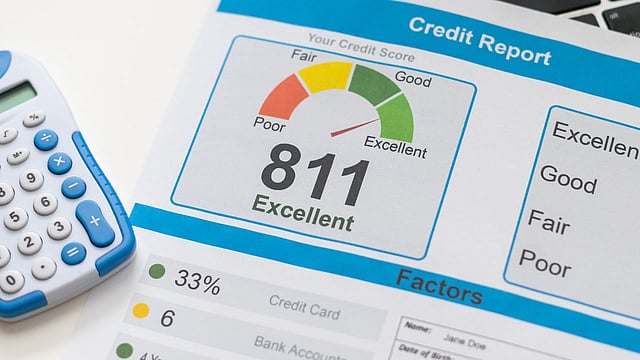
RBI’s Big Decision: Credit Score To Update Weekly, Faster Relief For Loan And Credit Card Users
New RBI rules will speed up credit score changes, improve transparency, and give borrowers quicker financial benefits
If you have recently cleared a loan, paid off your credit card dues, or made timely EMI payments, there is good news. The Reserve Bank of India (RBI) has brought major changes to the way credit scores are updated. These new rules are designed to make the credit system faster, fairer, and more transparent for borrowers across the country.
Till now, most people had to wait for 30 to 45 days to see any improvement in their credit score after closing a loan or paying a credit card bill in full. This long delay often affected home loan approvals, personal loan applications, and even credit card limits. Under the new RBI framework, this waiting period is being drastically reduced.
From January 2025, RBI has already directed banks and NBFCs to send customer data to credit bureaus at least twice a month. Because of this, any repayment, loan pre-closure, or EMI payment now reflects in the credit report within about two weeks. Earlier, such updates could take more than a month.

The biggest change is expected from 2026. RBI has proposed that credit scores will be updated every seven days. According to the new plan, data will be refreshed on the 7th, 14th, 21st, 28th and the last day of every month. This means your credit report will be almost real-time compared to the older system.
In simple terms, if you close a credit card, repay a loan, or correct a mistake in your credit report, you will not have to wait for months to see its impact. The result will be visible within days.
Many people believe that credit scores are generated only once a month. That is not true. A credit score is calculated whenever your data is checked, based on whatever information is available at that time. With more frequent updates, your financial behaviour will now reflect much faster.
Another major benefit is improved security. Under the new RBI rules, customers will receive an SMS or email alert whenever any bank or financial institution checks their credit report. This means if someone tries to take a loan or apply for a credit card in your name without your knowledge, you will be informed immediately. This step is expected to significantly reduce identity fraud and misuse of personal data.
RBI has also strengthened rules around loan defaults. Banks will now have to inform customers before marking any account as default. Earlier, many people discovered their accounts had been labelled as “default” only after their credit score had already been damaged. Now, customers will get a chance to make payments and avoid unnecessary harm to their financial profile.
Another powerful change relates to correction of errors. If there is any mistake in your credit report and it is not resolved within 30 days, you will be entitled to compensation of ₹100 per day. This will put strong pressure on banks and credit bureaus to fix problems quickly and responsibly.
These changes will have a direct impact on millions of borrowers. Those who make timely payments will see faster improvement in their credit scores. Loan approvals will become quicker. People with good repayment history may get loans at lower interest rates. The overall waiting time to rebuild or improve credit health will be reduced significantly.
This is especially helpful for first-time home buyers. Many applicants miss out on good loan deals simply because their credit score takes too long to reflect recent repayments. With weekly updates, banks will be able to see your real financial position much more accurately.
Credit card users will also benefit. If you clear outstanding balances on time or close unused cards, your score will improve faster. This helps in getting higher limits, better offers, and easier approvals in the future.
In short, RBI’s new credit score framework brings speed, transparency, and fairness into the financial system. It rewards responsible borrowers, improves fraud detection, and gives people greater control over their financial reputation.
For millions of Indians managing EMIs, loans, and credit cards, this is one of the most practical and customer-friendly banking reforms in recent years.
Disclaimer: This article is for general information purposes only. Banking rules, credit score policies, and financial regulations may change. Readers are advised to verify details with their bank or official RBI notifications before making financial decisions.