Commercial LPG Shortage Triggers Nationwide Food Price Surge, Street Vendors and Restaurants Raise Rates
Commercial LPG Shortage Triggers Nationwide Food Price Surge, Street Vendors and Restaurants Raise Rates
Across India, everyday meals are becoming noticeably more expensive as a shortage of commercial LPG cylinders hits vendors and restaurants alike. With so many people relying on affordable street food and regular restaurant meals, the impact of rising fuel costs is being felt nationwide.
According to a recent survey conducted by LocalCircles, “more than half of consumers reported that both street food vendors and restaurants have raised their prices over the past week.” The survey gathered insights from over 38,000 people across 309 districts, reflecting a broad snapshot of the current situation.
The data shows that 57% of respondents who recently visited restaurants or ordered food online “noticed substantial price increases,” with nearly 20% saying that costs have surged by more than 25% in some cases. Street food, traditionally a low-cost option for daily meals, is also affected, with 54% of consumers confirming price hikes of up to 25% at local stalls.

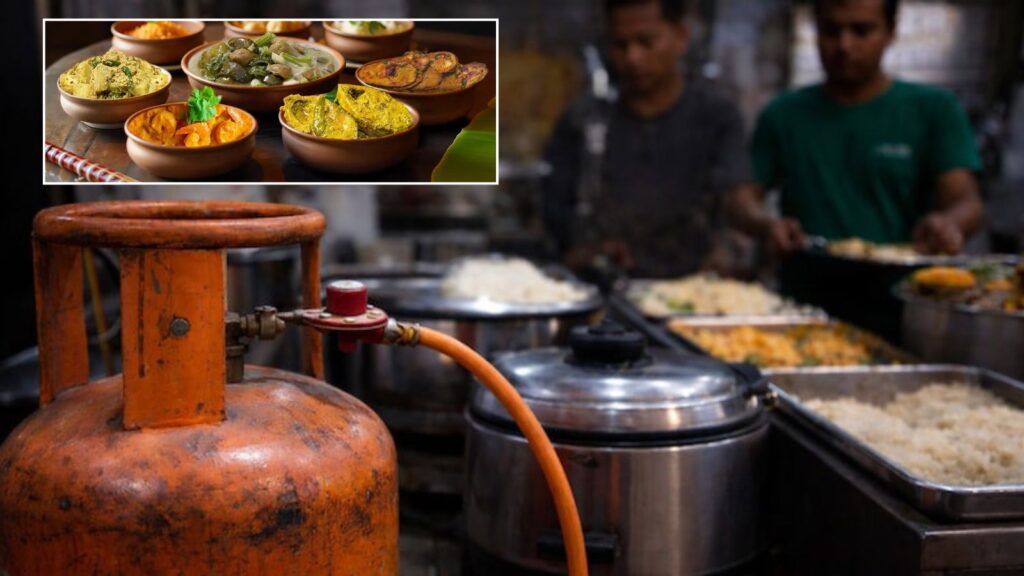
The primary driver behind these increases is the ongoing shortage of commercial LPG. Some restaurants are reportedly paying as much as ₹400 per kg for fuel, prompting many to adjust their menus or introduce temporary LPG surcharges. In certain cities, eateries have even added “LPG revision fees” of ₹15 or more per bill to offset the rising costs. Since commercial establishments do not benefit from subsidized LPG, these additional expenses are inevitably passed on to customers.
This supply shortage is not just pushing up prices but also disrupting daily operations. In cities such as Bengaluru and Pune, restaurants have scaled back kitchen operations, reduced menu options, and shortened working hours due to limited gas availability. Street vendors in cities like Ranchi and Bhopal have been forced to downsize or temporarily close their businesses. To cope, some have turned to alternatives like firewood, charcoal, or induction stoves, but these are often less efficient and unsustainable in the long term.
The consequences are most acute for daily wage earners, students, and office-goers who rely heavily on affordable meals. “Such price increases directly affect household budgets,” the survey notes, highlighting the financial strain on those who spend a significant portion of their income on daily food.
LocalCircles emphasizes that government intervention is needed to stabilize the situation. “Making commercial LPG accessible at regular prices for restaurants and street food vendors is crucial if food inflation is to be contained,” the report suggests.