5 Simple Ways to Tell If Your Mangoes Are Naturally Ripened and Safe to Eat
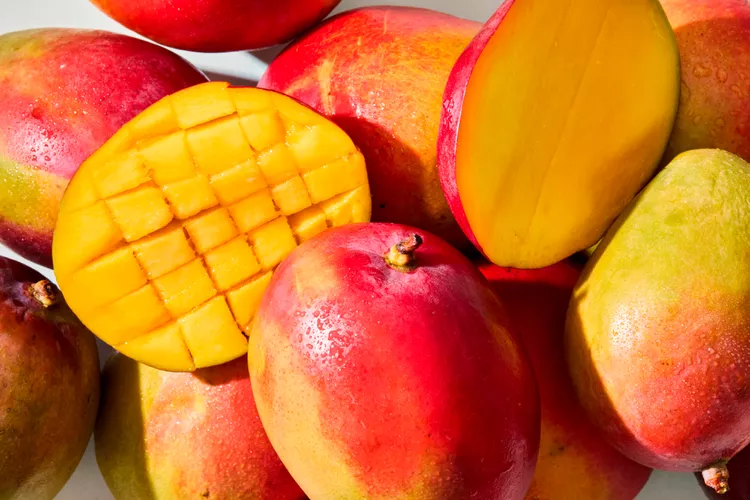
5 Simple Ways to Tell If Your Mangoes Are Naturally Ripened and Safe to Eat
Buying mangoes often feels like the highlight of a warm day—the vibrant colours, the inviting fragrance, and the excitement of enjoying a perfectly ripe fruit. It’s easy to get carried away and pick the best-looking ones without a second thought. But taking a moment to examine them more carefully can help you choose mangoes that are not just appealing, but also properly ripened.
With the use of artificial ripening methods becoming more common, appearances can sometimes be misleading. A mango may look ready to eat from the outside but tell a different story once you cut into it. That’s why a few simple checks can make all the difference before you decide to bring them home.
Why checking your mangoes matters

Naturally ripened mangoes are known for their rich taste, pleasant aroma, and even texture. In contrast, artificially ripened ones may lack depth in flavour and can sometimes ripen unevenly. Paying attention to small details can help ensure you’re choosing fruit that delivers both quality and safety.
1. The water test
Start with a basic test at home—place the mango in a bowl of water. If it sinks, it’s more likely to have ripened naturally. If it floats, it may indicate uneven density, which can be linked to artificial ripening.
2. The paper bag method
If you’re unsure about a mango that seems ripe already, place it in a paper bag for a day or two. A naturally ripened mango will continue to soften and develop a better flavour. If it doesn’t change much, it may not be as natural as it appears.
3. Take a close look at the skin
Perfect-looking mangoes can be deceiving. Natural fruits usually have a mix of colours along with minor spots or marks. If the mango has a very uniform colour or shows powdery patches on the surface, it’s worth being cautious.
4. Check the aroma near the stem
Smell is a strong indicator of ripeness. Bring the mango close and sniff near the stem area. A naturally ripened mango will have a sweet and noticeable fragrance. If the smell is weak or slightly off, it may not be the best pick.
5. Feel the texture
Gently press the mango to test its firmness. It should feel slightly soft and consistent all over. If some areas are too firm while others feel overly soft, it could be a sign that the fruit has ripened unevenly.