Why Fuel Stations Are Still Called ‘Petrol Pumps’ Despite Diesel, CNG and EV Charging Options
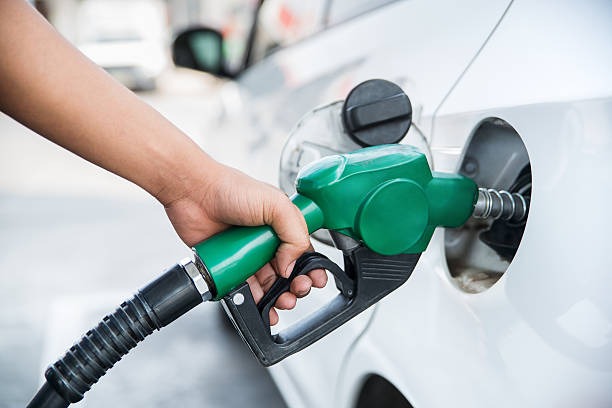
Why Fuel Stations Are Still Called ‘Petrol Pumps’ Despite Diesel, CNG and EV Charging Options
Why Are Fuel Stations Called Petrol Pumps? History Behind the Name Explained,Ever wondered why fuel stations are called petrol pumps even though they offer diesel, CNG, and EV charging? Here’s the interesting history and reasoning behind the term.
Whether you drive a diesel SUV, a petrol bike, or even an electric vehicle, the common phrase remains unchanged — “Let’s stop at a petrol pump.” But have you ever wondered why fuel stations are still called petrol pumps despite offering multiple fuel options like diesel, CNG, and EV charging?

The answer lies in history, language, and usage patterns that date back over a century.

Origins in the Early Automobile Era
During the early 20th century, when the automobile revolution began, most private vehicles ran on petrol. Although diesel had already been invented, its usage was largely limited to ships, railway engines, and heavy industrial machinery.
As a result, personal vehicles — especially cars and two-wheelers — became synonymous with petrol. When roadside fuel stations first emerged, they primarily dispensed petrol, leading people to naturally call them “petrol pumps.” The term gradually became a standard part of everyday language.
The Role of ‘Generic Trademark’ in Language
Linguistically, this phenomenon is known as a generic trademark, where a brand or term becomes widely used to describe an entire category.
For example, people often say “Colgate” for any toothpaste or “Xerox” for photocopying, regardless of the brand. Similarly, “petrol pump” became the default term for fuel stations, even after diesel and other fuels were introduced.
British Influence on Terminology
The terminology also reflects colonial influence. In countries like the United States, such facilities are called “gas stations,” while in the United Kingdom, the term “petrol station” or “petrol pump” is commonly used.
India, having inherited aspects of British English, adopted the same terminology, which continues to be used widely.
Technical and Social Factors
Technically, the word “pump” refers to the mechanism that draws fuel from underground storage tanks and dispenses it into vehicles.
Socially, petrol remained the dominant fuel for personal vehicles for decades, especially among middle-class households using scooters and cars. Diesel, on the other hand, was traditionally associated with trucks, tractors, and highway transport, often refuelled at larger depots outside city limits.
This distinction prevented the term “diesel pump” from gaining mainstream usage.
Why the Name Still Persists
Today, modern fuel stations offer a range of options, including petrol, diesel, CNG, and electric charging. However, the term “petrol pump” has remained unchanged due to habit, familiarity, and linguistic convenience.
Much like how people continue to say “railway station” regardless of the type of train, the legacy name continues to dominate everyday conversation.
Conclusion
In essence, the term “petrol pump” is a product of historical usage and cultural habit rather than technical accuracy. Despite evolving fuel technologies, changing such deeply ingrained terminology remains a challenge.
Disclaimer:
This article is intended for informational and general knowledge purposes only. The explanations provided are based on historical and linguistic perspectives and may not represent official or technical classifications used by regulatory authorities.