Vande Bharat TTE Unofficially Asks ‘Rs 380 for Rs 700 Ticket’, Suspended as Viral Video Sparks Outrage
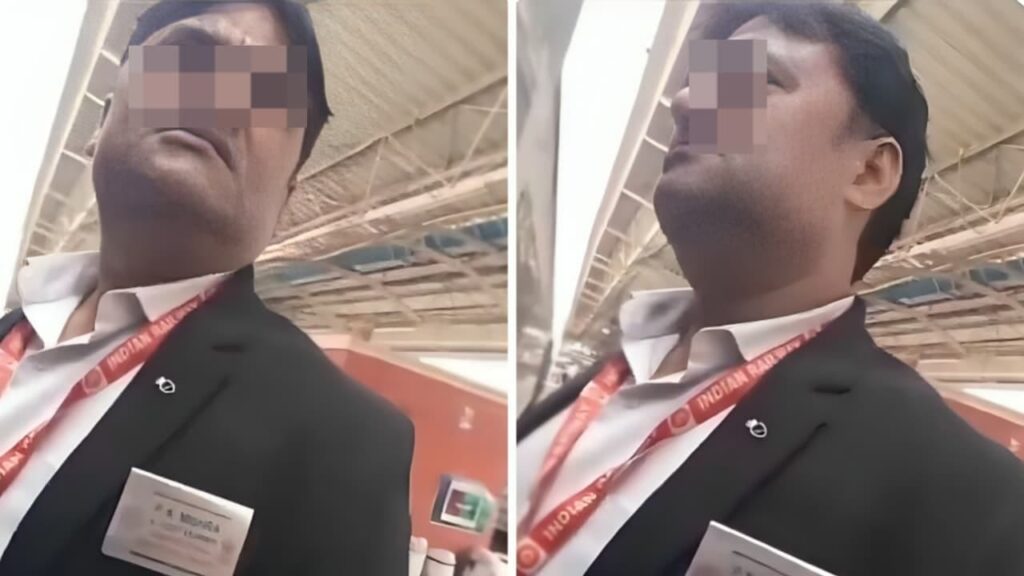
Vande Bharat TTE Unofficially Asks ‘Rs 380 for Rs 700 Ticket’, Suspended as Viral Video Sparks Outrage
The viral clip triggered discussions around railway transparency, unofficial ticket arrangements and violating rules.
A Travelling Ticket Examiner (TTE) has been suspended by the Indian Railways after a viral video allegedly showed him offering a Vande Bharat Express ticket worth nearly Rs 700 for Rs 380 during an onboard interaction with a passenger.

The video, widely shared on social media platform X by the account Ghar Ke Kalesh, captured a conversation between the passenger and the TTE inside a train coach. The clip quickly gained attention online, with users divided over whether the railway official was attempting to help the passenger secure a cheaper fare or engaging in unauthorised ticketing practices.
According to the viral video, the passenger questioned the ticket arrangement while recording the interaction.

The official was then heard saying that he could arrange the ticket for Rs 380, while the same journey would otherwise cost nearly Rs 700 through regular booking channels.
Vande Bharat ₹750 ticket was being arranged by the TTE for just ₹380.⁰
— Ghar Ke Kalesh (@gharkekalesh) May 12, 2026
This guy records it and made it viral😭 pic.twitter.com/hjHH35rPAC
The passenger continued questioning the pricing difference as the TTE stood near the berth and attempted to explain the situation. Although the complete context behind the conversation remains unclear, many social media users interpreted the interaction as an attempt to bypass the standard railway booking process.
Following the clip’s circulation online, railway authorities reacted publicly.
Railway Seva and DRM Danapur confirmed action against the official, and the TTE was subsequently suspended pending further inquiry.
The incident has once again brought attention to concerns regarding transparency in railway ticketing and on-board ticket management.
Several users criticised the alleged conduct, arguing that such informal arrangements weaken trust in public systems and encourage misuse of authority. Others, however, reacted with sarcasm and claimed such practices have become common across sectors.
The controversy has now sparked wider discussions about accountability, vigilance and unofficial ticketing practices within the Indian Railways system.