Do You Know What ‘Jamun’ is Called In English? Know Its Scientific Name And Health Benefits
Do You Know What 'Jamun' is Called In English? Know Its Scientific Name And Health Benefits
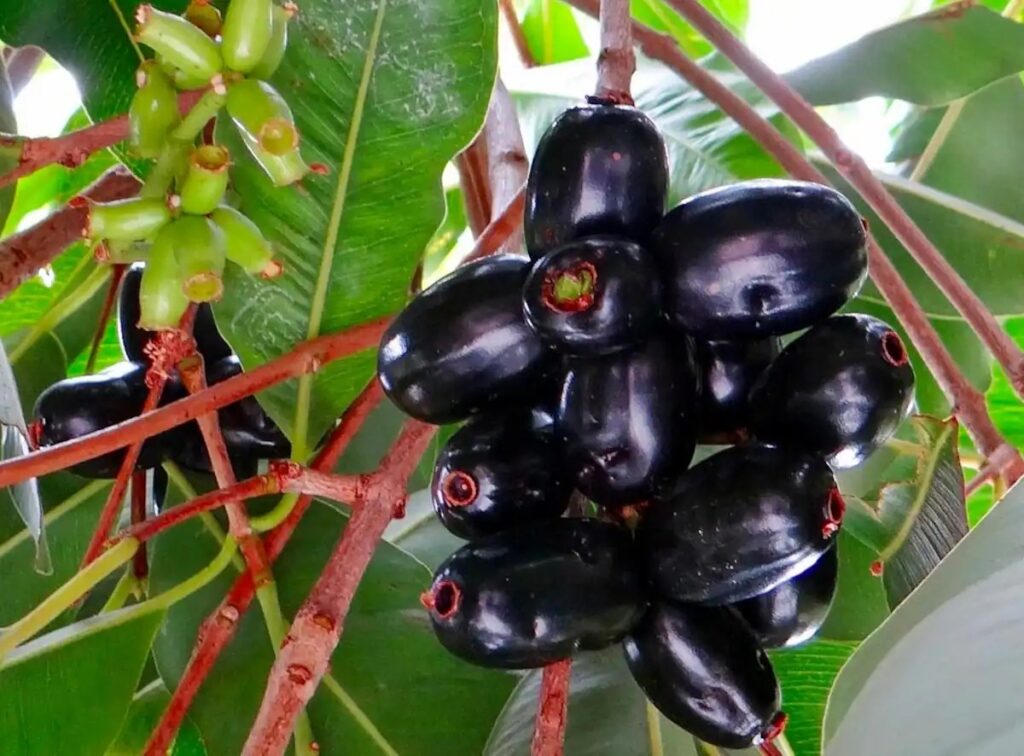
Jamun, the deep purple summer fruit loved across India, is known globally as Java plum, Black plum, and Indian blackberry. Beyond its unique sweet-sour taste, this seasonal fruit is packed with antioxidants and traditional medicinal value.
Jamun, one of India’s most popular summer fruits, is commonly called Java plum or Black plum in English. In some regions and botanical references, it is also known as Malabar plum or Indian blackberry. Its scientific name is Syzygium cumini.

The term “Java plum” is considered the most accurate and internationally recognised English name for jamun. The fruit is widely found in tropical regions and is known for its dark purple skin, pinkish pulp, and distinctive sweet and tangy flavour.
Although jamun is often referred to as “Indian blackberry,” it is not related to true blackberries grown in Europe or America. True blackberries belong to the Rosaceae family and usually grow on thorny bushes in colder climates. Jamun, however, grows on large evergreen trees and belongs to the Myrtaceae family, which also includes cloves and guava.

Jamun is available only for a short period during summer, mostly between May and July. The fruit is especially popular in India during hot weather because of its refreshing taste and nutritional value.
One of the biggest reasons jamun is valued is its health benefits. The fruit is rich in Vitamin C, iron, and antioxidants. Its deep purple colour comes from anthocyanin pigments, which are known for their antioxidant properties.
Jamun is also considered beneficial for people managing blood sugar levels. The fruit has a low glycemic index, and its seeds contain a compound called jamboline, which is traditionally believed to help regulate blood sugar. In many households, dried jamun seeds are ground into powder and used as a traditional remedy.
Another important quality of jamun is its astringent nature. Astringent foods can create a dry or tightening sensation in the mouth and are believed to help support digestion and gut health.
The jamun tree itself is known for being highly resilient. It can survive in drought-prone, saline, and even waterlogged soils. Historically, the Indian subcontinent was also referred to as “Jambudvipa,” meaning the land of Jambu trees, showing the cultural significance of jamun in Indian heritage.
Whether called Java plum, Black plum, or Indian blackberry, jamun remains one of the most nutritious and culturally important summer fruits in India.