Six temples in Pune that history forgot but locals never did
Six temples in Pune that history forgot but locals never did
These ancient and quietly powerful mandirs have stood for centuries in Pune’s oldest neighbourhoods, largely unknown to the outside world.
Pune is a city of temples. Most visitors head to Dagdusheth Halwai Ganpati or Chaturshringi and return home having seen nothing of the city’s deeper spiritual geography. Tucked inside old peths, up quiet hillsides and below street level, these six temples carry stories that most Punekars have never heard. They deserve to be known.

01. Shree Ayyappa Temple Rasta Peth, Pune
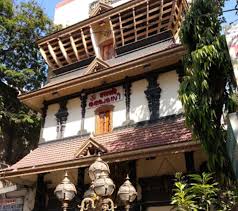
This temple was established in 1956 by a group of South Indian residents who had settled in Pune and wished to carry their devotion with them. What began as simple home worship gradually grew into a formal institution. The community established the Shri Ayyappa Dharma Sabha, and the first idol was installed in 1977. Today the temple serves as the primary spiritual centre for Malayalam-speaking families across the city and draws devotees who observe the Sabarimala pilgrimage tradition. The architecture reflects the Kerala style of temple construction, making it visually distinct from every other mandir in this part of Pune.

02. Shri Nageshwar Shiv Mandir Somwar Peth, Pune
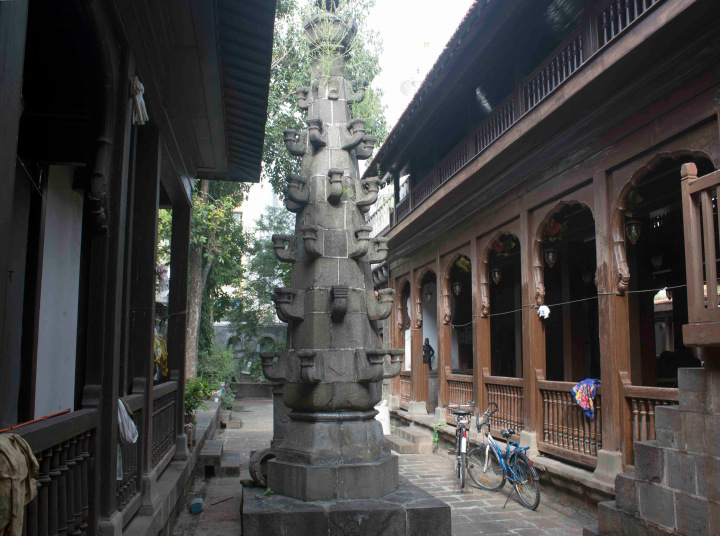
Among the oldest Shiva temples in the city, Nageshwar Mandir dates to the Yadav period and continued to hold significance through the Peshwa era. It sits inside the winding lanes of Somwar Peth in the old city. The sanctum is carved from a single block of stone and the main hall retains its original teak woodwork from the Peshwa period, a detail of extraordinary craftsmanship that has survived intact. The temple is also associated with the era of Sant Dnyaneshwar and Sant Tukaram. Despite all of this, it receives a fraction of the attention given to more prominent Pune mandirs.
03. Sapindya Mahadev Mandir Kasba Peth, Near Fire Station, Pune
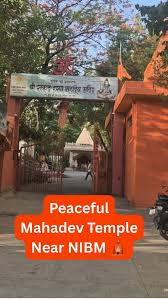
This is one of Pune’s most unusual places of worship. The temple is underground, carved into the earth, and was rediscovered during excavation work in December 2003. The shrine dates to 1868 and was once used for the final rites of Hindu families in the area. It had been lost to time and construction above ground before archaeologists and local volunteers brought it back to light. Today it draws those who seek something genuinely ancient, a place of worship that does not announce itself but simply waits to be found.
04. Shri Trishund Ganpati Mandir Somwar Peth, Pune
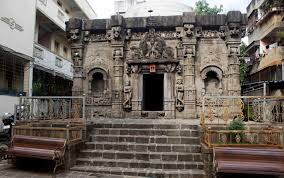
Described by devotees as the finest sculpted Ganesh idol in all of Pune, the Trishund Ganpati is a three-trunked form of Ganesha that is exceedingly rare in Maharashtra. The temple belongs to the Giri Gosavi Panth. Beneath the idol, at basement level, lies the samadhi of the founding saint Shri Dattguru Goswami Maharaj. When water is poured in abhishek over the idol above, it flows down to the samadhi below. Behind the idol in the sanctum there is also said to be a reclining Vishnu figure of four and a half feet, though the darkness of the inner chamber keeps it hidden from most visitors.
05. Shri Swami Samarth Sansthan Math Budhwar Peth, Pune
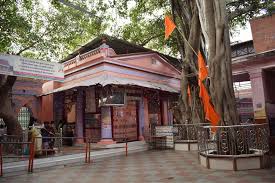
The Akkalkot Swami Samarth Math in Budhwar Peth is considered by devotees to be a living spiritual site rather than simply a place of historical memory. Local belief holds that the great 19th-century saint Shri Swami Samarth Maharaj of Akkalkot stayed at this very location for three days. The math was established after his mahasamadhi and has functioned as a centre of worship and community gathering ever since. The colourful South Indian style gopuram on the facade makes it immediately recognisable on the lane but it is still largely passed by without a second glance by those unfamiliar with its significance.
06. Shri Tarkeshwar Mahadev Mandir Salve Nagar, Yerwada, Pune
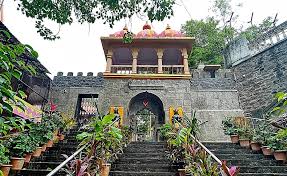
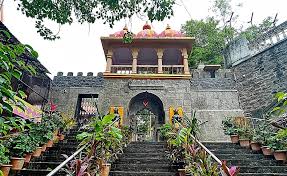
Perched on a small hill in Yerwada, the Tarkeshwar Mahadev temple is one of the most peaceful places in the city. It is ancient, quiet and far from the main roads. The Pune Municipal Corporation has included it on the official heritage list, recognising its historical value to the city. The climb up the steps to reach the temple offers a view of the surrounding area that has barely changed in character. Unlike most heritage sites in Pune, this one has no queue, no rush and no commercial activity around it. It simply sits on its hill and waits for whoever comes.
All six temples are open to visitors. The Kasba Peth and Yerwada temples in particular are best visited in the morning hours when the lanes are quiet and access is straightforward.