Western Ghats Protection Plan Nears Final Approval After 13 Years, 56,000 Sq Km Area to Be Protected
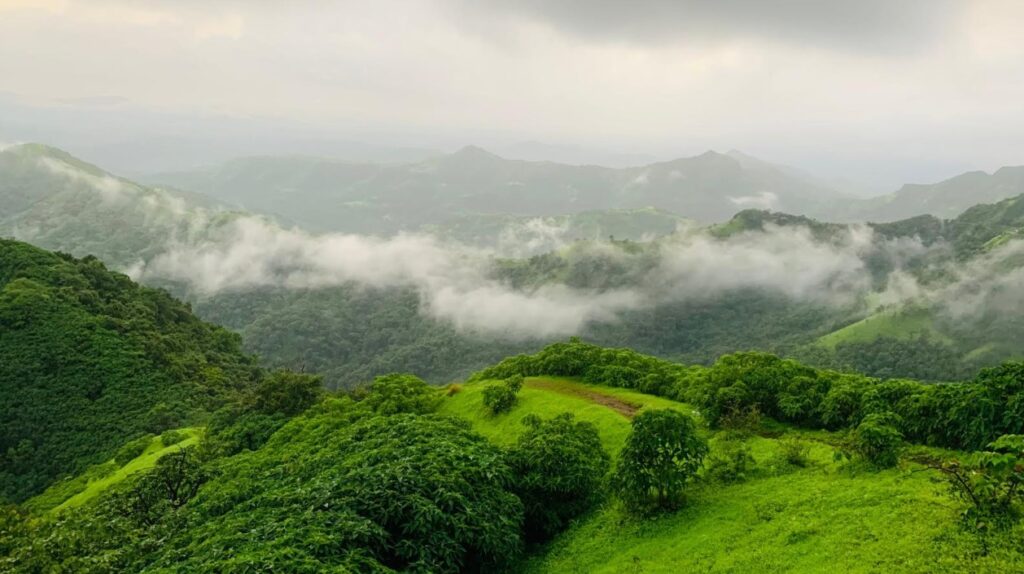
Western Ghats Protection Plan Nears Final Approval After 13 Years, 56,000 Sq Km Area to Be Protected
23 June, 2026: After more than a decade of discussions and delays, the Centre is moving closer to implementing a conservation plan for the Western Ghats. Nearly 56,000 square kilometres of land across three states are expected to be declared Ecologically Sensitive Areas (ESAs), based on recommendations made by the Kasturirangan Committee in 2013.
The Western Ghats, which extend across six states, Gujarat, Maharashtra, Goa, Karnataka, Kerala and Tamil Nadu, are among the world’s most important biodiversity hotspots. The mountain range is also a key source of water for several major rivers and supports millions of people.

The proposal aims to protect environmentally fragile regions by restricting activities such as mining, quarrying, thermal power plants, polluting industries and large-scale construction projects. The move is intended to preserve forests, wildlife habitats and water resources in the region.

The issue dates back to 2011, when an expert panel led by ecologist Madhav Gadgil recommended declaring the entire Western Ghats region as ecologically sensitive. However, the proposal faced strong opposition from state governments and local communities, who feared it would affect livelihoods and development projects.
To find a middle ground, the Centre formed another panel under former ISRO chairman K. Kasturirangan in 2013. The committee identified around 60,000 sq km of natural landscapes for protection while excluding heavily populated areas, agricultural land and plantations.
Based on the Kasturirangan report, the government issued a draft ESA notification in 2014. Since then, the proposal has undergone several revisions as states continued to raise concerns about the extent of protected areas and the restrictions that would follow.
The latest draft notification, issued in July 2024, remains valid until July 2026. It introduced a state-wise approval process, allowing the Centre to move ahead with states that are closer to reaching an agreement.
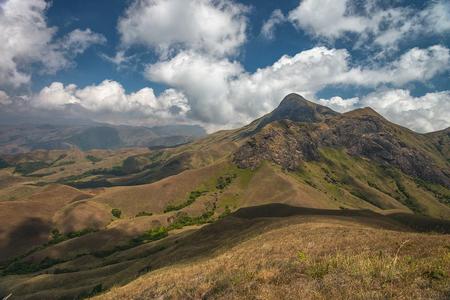
Several states have expressed concerns that ESA status could affect economic activities, including mining, infrastructure development and industrial projects. Karnataka has remained one of the strongest critics of the proposal, while Kerala has sought changes to the boundaries of the protected areas. Goa, Gujarat and Tamil Nadu have also raised objections.
In 2022, the Centre set up a new expert committee led by former Director General of Forests Sanjay Kumar to address these concerns. The panel has been reviewing village-level records, satellite imagery and land-use data to resolve disputes and finalise the boundaries.
Environmental experts believe that protecting the Western Ghats is crucial for biodiversity conservation, water security, and climate resilience. They also point to recurring floods and landslides in the region as a reminder of the need to safeguard ecologically sensitive areas.
With negotiations progressing and boundaries in three states reportedly close to being finalised, the long-pending Western Ghats conservation plan appears to be moving towards implementation after 13 years of debate.