Pune: NGT Issues Notice To Maharashtra Chief Secretary And Union Ministry Secretary In Pavana River Pollution Case
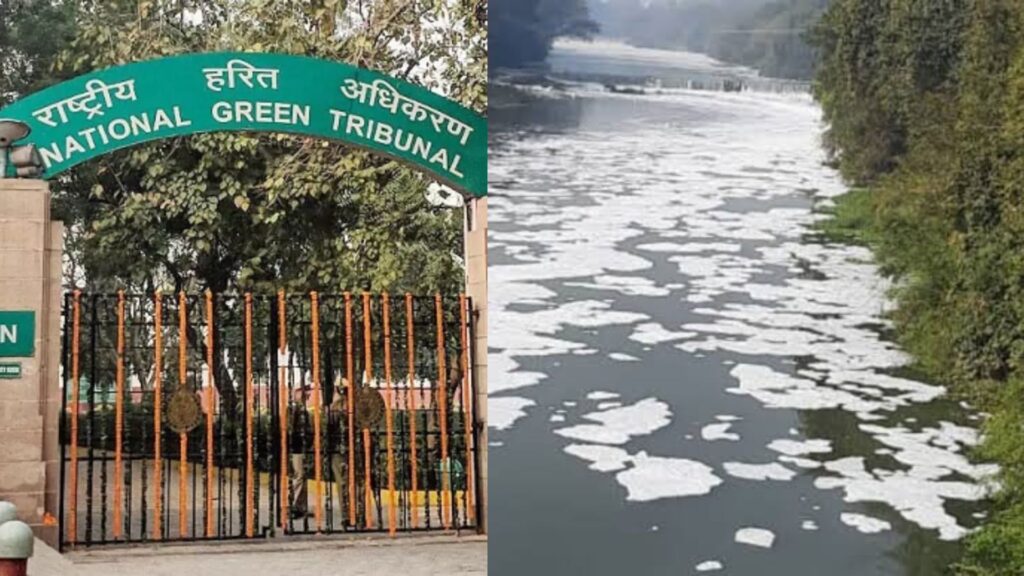
Pune: NGT Issues Notice To Maharashtra Chief Secretary And Union Ministry Secretary In Pavana River Pollution Case
Pune, July 18, 2026: In a significant development in the ongoing Pavana River pollution case, the National Green Tribunal has directed that the Chief Secretary of Maharashtra and the Secretary, Department of Water Resources, River Development & Ganga Rejuvenation, Ministry of Jal Shakti, Government of India, be impleaded as and served with notices.
The Tribunal has also directed all concerned authorities to hold a joint meeting and arrive at a conclusive decision on the pending issues.

The matter has been pursued since 2024 by the applicant, Adv. Krunnal Ghare, who has maintained that the pollution of the Pavana River is not merely a local municipal issue but one involving coordination between the State Government, the Central Government, funding agencies, and multiple implementing authorities.

He has repeatedly highlighted before the Tribunal that delays in financial approvals, technical clearances, and administrative coordination have stalled critical sewage treatment infrastructure necessary for restoring the river.
He says, “From the very beginning of the proceedings, we have urged that all stakeholders be brought to a common platform so that the deficiencies could be resolved through coordinated decision-making rather than prolonged correspondence between departments.”
During the hearing, the Tribunal observed that despite extensive communication between the stakeholders, nothing substantial had been achieved through the exchange of letters alone. Consequently, it directed the concerned authorities to convene a joint meeting within 15 days, resolve all outstanding deficiencies, and submit a compliance report to the Tribunal thereafter.
By impleading the highest administrative authorities of both the State and the Union Government, the Tribunal has elevated the matter to the highest level of governance.
The order is expected to improve institutional coordination, fix accountability, and accelerate decision-making for the implementation of long-pending pollution abatement measures and the rejuvenation of the Pavana River.