Inherited Property Isn’t Always Ancestral: Karnataka HC Clarifies When Children Have No Birthright
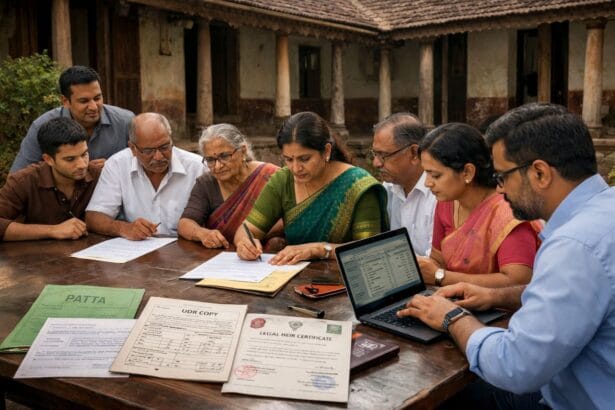
Inherited Property Isn’t Always Ancestral: Karnataka HC Clarifies When Children Have No Birthright
The Karnataka High Court has ruled that children do not automatically acquire a birthright over their father’s self-acquired property, even if the father himself received it through a gift, Will, family arrangement or partition. The judgment clarifies the distinction between ancestral and self-acquired property under Mitakshara Hindu law.
By Vidhi Lalla
In a significant ruling on Hindu succession law, the Karnataka High Court has held that property inherited by a father through a gift, Will, family arrangement or partition does not automatically become ancestral property. Unless it retains its ancestral character under law, such property is treated as the father’s separate or self-acquired property, meaning his children cannot claim ownership by birth.

The judgment came while dismissing a daughter’s claim over certain family properties. The court found that she failed to prove that the properties were ancestral or coparcenary in nature. Evidence before the court showed that the properties had originally been purchased by her grandfather from his own earnings, making them self-acquired assets. They were later allotted to her father through a family arrangement.

The High Court observed that when an owner distributes self-acquired property among family members through a partition, family settlement, gift or similar arrangement, the recipients ordinarily hold it as their separate property unless there is clear evidence that the property was intended to continue as joint family or coparcenary property.
Self-acquired property remains separate
The court clarified that simply because property passes from one generation to another does not automatically convert it into ancestral property.
Under the Hindu Succession Act and the Mitakshara system followed across most parts of India, children do not acquire a birthright over their father’s self-acquired property during his lifetime. They may inherit such property only after the father’s death if he dies intestate or if a valid Will grants them rights.
What is ancestral property?
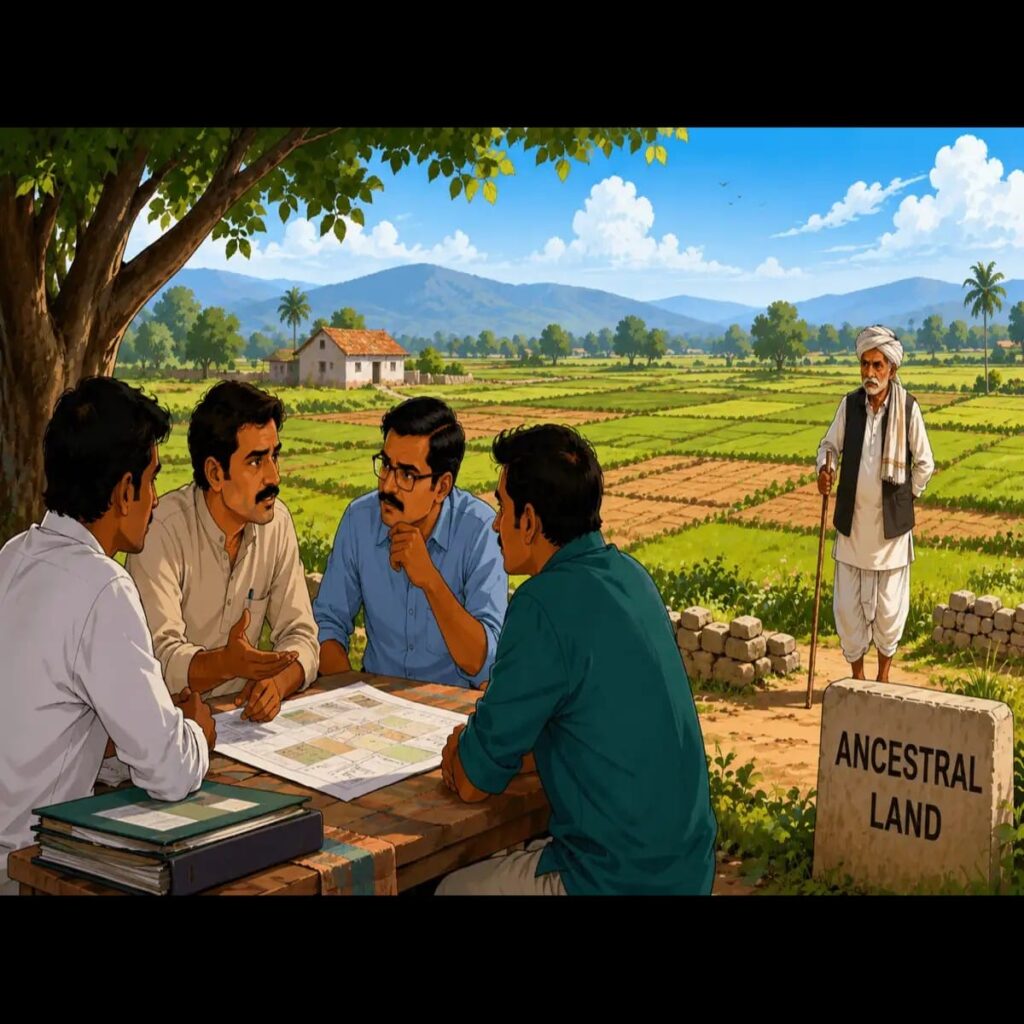
Ancestral property generally refers to property inherited through four generations of the paternal lineage without partition. In a Mitakshara Hindu Undivided Family (HUF), every coparcener acquires an interest in such property by birth.
Each coparcener has an undivided interest in the entire property, and no individual can claim a specific portion until a legal partition takes place.
What does not qualify as ancestral property?
Legal experts say the following categories are generally treated as separate or self-acquired property:
- Property purchased from an individual’s own earnings or savings.
- Property received through a gift deed or a Will, unless the document specifically creates joint family rights.
- Property inherited from maternal relatives.
- Property allotted through a family arrangement or partition that loses its joint family character.
- Property that has already been partitioned among coparceners.
Mitakshara and Dayabhaga systems
The judgment also highlights the difference between India’s two traditional schools of Hindu law.
The Mitakshara system applies across most Indian states. Under this system, coparceners acquire rights in ancestral property by birth. However, this principle applies only to genuine ancestral or coparcenary property and not to self-acquired assets.
The Dayabhaga system, followed mainly in West Bengal and Assam, does not recognise birthright in property. Children acquire rights only after the owner’s death, when inheritance opens.
Why the ruling matters
The judgment reinforces that inheritance alone does not determine whether a property is ancestral. Courts will examine how the property was originally acquired and whether it retained its joint family character.
For families involved in succession disputes, the ruling underscores the importance of documentary evidence, family settlements and the original source of ownership before claiming birthright over inherited assets.
Disclaimer: Property rights depend on individual facts, title documents and applicable succession laws. Those involved in inheritance or partition disputes should seek legal advice before taking any action.