Could Ethanol Replace LPG In Indian Kitchens? Government Working On New Clean Cooking Policy
Could Ethanol Replace LPG In Indian Kitchens? Government Working On New Clean Cooking Policy
Petroleum Ministry is preparing a policy to promote ethanol as a household cooking fuel alongside LPG, aiming to reduce fuel imports and improve energy security.
The Centre is working on a policy that could bring ethanol from vehicle fuel tanks into Indian kitchens. The Ministry of Petroleum and Natural Gas is preparing a framework to promote ethanol as a mainstream household cooking fuel alongside liquefied petroleum gas (LPG), with the twin goals of reducing India’s dependence on imported LPG and strengthening the country’s energy security.

According to reports, the proposed policy is expected to include subsidy mechanisms and measures to create the necessary supply chain for large-scale adoption of ethanol as a cooking fuel. Industry associations representing fuel suppliers are also understood to be in discussions with the government on the proposed framework.
Government officials indicated that the policy, which could be ready by September 2026, would encourage the use of ethanol alongside LPG rather than replacing it completely.

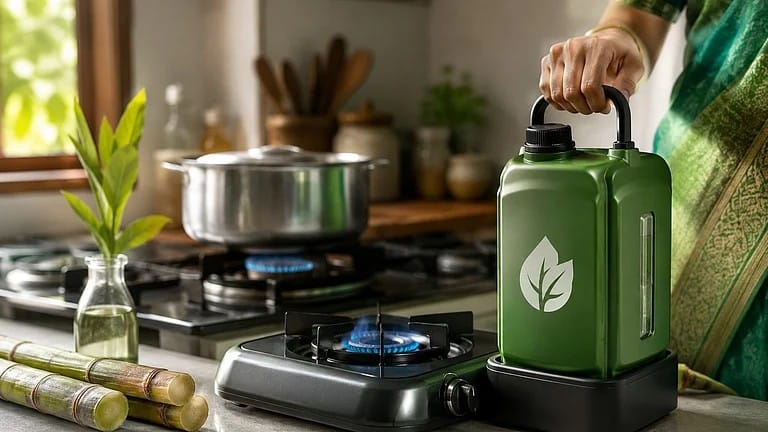
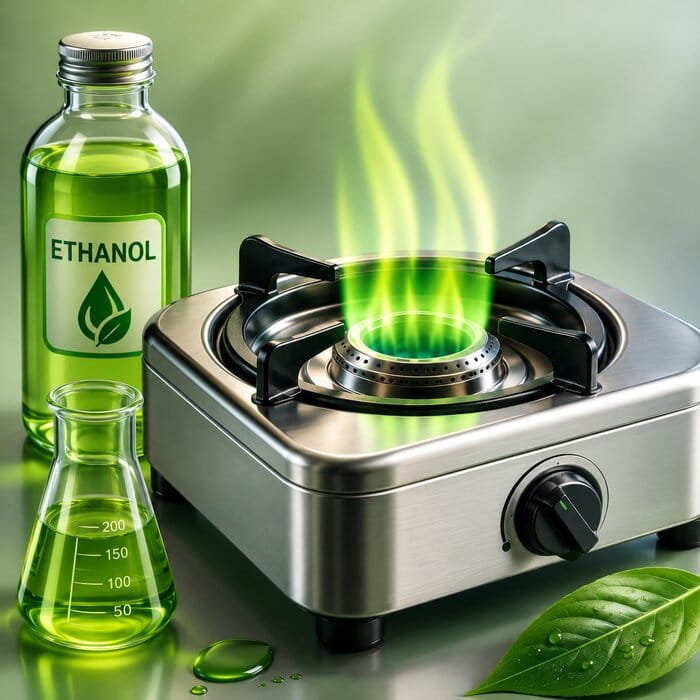
Ethanol is a renewable fuel produced through the fermentation of sugars and food grains. While it is already blended with petrol under India’s E20 programme, the government is now exploring its use for household cooking through specially designed ethanol-powered stoves.
Earlier this year, ethanol-based cooking stoves reportedly underwent trials following government directions to assess their feasibility as a cleaner cooking alternative.
Officials believe expanding the use of ethanol in kitchens could help lower India’s dependence on imported LPG, reduce the country’s fuel import bill and make better use of its growing domestic ethanol production.
To encourage adoption, the government may introduce either a one-time capital subsidy for purchasing ethanol-based cooking equipment or an ongoing fiscal support mechanism, according to industry executives.
India currently has an annual ethanol production capacity exceeding 20 billion litres, with another 4 billion litres expected to be added during the current financial year. Around 11 billion litres are consumed annually under the E20 petrol blending programme, while another 3 to 3.5 billion litres are used by liquor manufacturers, pharmaceutical companies and chemical producers. This leaves nearly 7 billion litres of production capacity currently unutilised.
Officials say this surplus could support domestic cooking fuel requirements while also creating opportunities for ethanol exports to neighbouring countries such as Nepal, Bangladesh and Indonesia, where ethanol blending targets exist but domestic production remains limited.
State-run oil marketing companies are also said to be exploring ethanol-based cooking technologies. Discussions reportedly include the installation of ethanol dispensing units at fuel stations, allowing consumers to purchase ethanol in containers for use in specially designed cooking stoves.
The proposal has gained momentum following recent concerns over global energy supplies. Although India has diversified its LPG sourcing in recent years, it continues to rely heavily on imports from Gulf countries. Supply disruptions linked to geopolitical tensions in West Asia have highlighted the need for alternative domestic fuel options.
The government is also preparing a strategic LPG storage plan capable of meeting nearly 30 days of national demand, while simultaneously examining long-term alternatives such as ethanol.
A recent report by the International Institute for Sustainable Development (IISD) also suggested that wider adoption of electric cooking and biogas, alongside other clean cooking fuels, could help India save more than ₹2 lakh crore in cumulative LPG subsidies by 2050.
FAQs
1. Will ethanol replace LPG in Indian homes?
No. The government is currently exploring ethanol as an additional cooking fuel that can be used alongside LPG, not as a complete replacement.
2. When could the new policy be introduced?
According to industry sources, the proposed clean cooking policy could be finalised by September 2026, although no official announcement has been made.
3. Why is the government promoting ethanol for cooking?
The move aims to reduce dependence on imported LPG, improve energy security, utilise surplus domestic ethanol production and lower India’s long-term fuel import costs.
Disclaimer: The proposed ethanol cooking policy is still under development. Final implementation, timelines, subsidies and consumer rollout will depend on official government approval and notification.