Signing a Rent Agreement? Review These Important Clauses Before You Put Pen to Paper
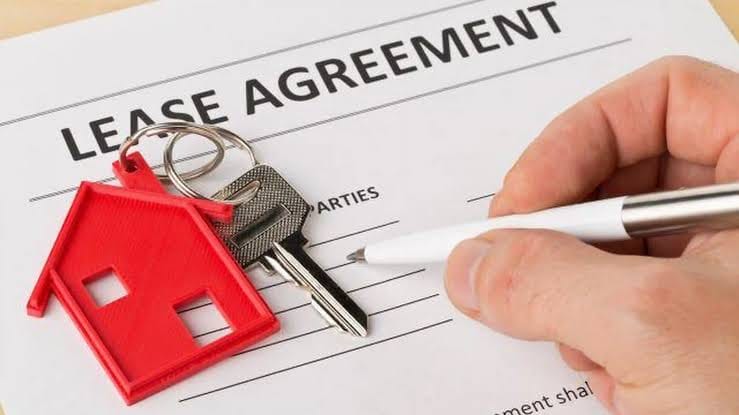
Signing a Rent Agreement? Review These Important Clauses Before You Put Pen to Paper
Legal experts warn that overlooking key clauses in a rental agreement can lead to disputes over security deposits, maintenance costs and early exit penalties. Carefully reviewing the terms before signing can help tenants avoid costly legal and financial complications.
By Vidhi Lalla
Pune: Finding the right rental home is often only half the challenge. Legal experts say many tenants make a costly mistake by signing the rent agreement without carefully reading every clause, only to face disputes months later over deposits, maintenance charges or moving out before the lease ends.


As India’s urban rental market continues to grow, rental agreements have become more detailed and legally significant. Experts advise tenants to pay attention not only to the monthly rent but also to several important clauses hidden in the agreement.
Security Deposit: Know the Refund Rules
One of the most common reasons for disputes between landlords and tenants is the security deposit. Experts say tenants should never assume the deposit will automatically be returned after they vacate the property.
The agreement should clearly specify the amount of the security deposit, the timeline within which it will be refunded, and the circumstances under which deductions can be made. It should also distinguish between actual property damage and normal wear and tear, such as faded paint or minor ageing.
In many Indian cities, security deposits can range from two to six months’ rent or even higher. If refund conditions are not clearly mentioned, recovering the amount can become a lengthy and expensive process.
Maintenance Charges: Clarify Who Pays
Maintenance charges in residential societies can add significantly to monthly housing costs. Legal experts recommend ensuring that the agreement clearly states whether these charges will be paid by the landlord or the tenant.
Leaving this clause open to interpretation may result in avoidable disagreements after the tenancy begins. Any additional expenses such as parking charges, common area maintenance or utility costs should also be mentioned in writing.
Lock-In Period and Exit Clause: Read Carefully
Experts say the lock-in period is one of the most overlooked parts of a rental agreement.
Before signing, tenants should understand how long they are required to stay, the notice period for vacating the property and any financial liability if they leave before the lock-in period ends.
The agreement should also mention the inspection process after vacating, responsibility for repairs and the timeline for returning the security deposit. Vague exit clauses often become the biggest source of landlord-tenant disputes.
Get Every Promise in Writing
Legal professionals advise tenants to ensure every commitment made by the landlord is included in the agreement. This may include painting the flat before possession, providing furniture or appliances, parking facilities, maintenance responsibilities or lease renewal terms.
Written agreements carry far greater legal value than verbal assurances if a dispute reaches court.
Commercial Tenants Should Be Equally Careful
Experts say businesses renting office or retail spaces should also examine lease agreements thoroughly. Apart from rent, entrepreneurs should pay close attention to rent escalation clauses, maintenance charges and operating expenses such as electricity, water, parking and common area maintenance.
Well-drafted agreements help both landlords and tenants by reducing misunderstandings, improving long-term relationships and ensuring smoother tenancy.
FAQs
1. What are the three most important clauses to check before signing a rent agreement?
The security deposit clause, maintenance charge clause, and lock-in period with exit terms are among the most important provisions that should be reviewed carefully.
2. Can a landlord deduct money from the security deposit?
Yes. However, deductions should be made only as specified in the rental agreement, typically for actual damages or unpaid dues, and not for normal wear and tear.
3. What happens if a tenant leaves before the lock-in period ends?
If the agreement contains a lock-in clause, leaving early may amount to a breach of contract and could require the tenant to pay compensation or rent for the remaining lock-in period, depending on the agreed terms.
Disclaimer: Rental agreements are legally binding documents. If any clause is unclear or involves significant financial commitments, tenants and landlords should consider seeking professional legal advice before signing.