Stop Throwing Away Lemon Peels: 5 Brilliant Uses of Mixing Them with Vinegar
Stop Throwing Away Lemon Peels: 5 Brilliant Uses of Mixing Them with Vinegar
Most people squeeze the juice out of a lemon and toss the peel straight into the bin. But those leftover peels are packed with natural oils that can be put to good use. When combined with white vinegar and left to infuse for a couple of weeks, lemon peels create a versatile household solution that can help with everyday cleaning and deodorizing tasks.
The citrus oils from the peels help reduce the sharp smell of vinegar while adding a fresh fragrance. Although this mixture isn’t a replacement for commercial disinfectants in situations that require proper sanitation, it works well for many routine household chores. Here’s how to make it and five practical ways to use it.

How to Make Lemon Peel Vinegar

You’ll need:
- Peels from 3–5 lemons
- White vinegar
- A clean glass jar with a lid
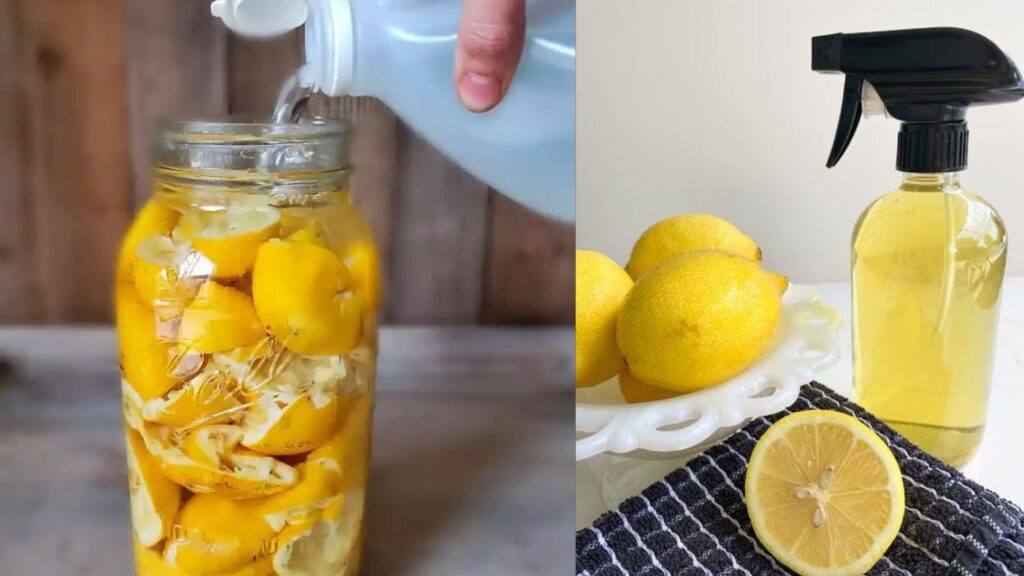
Place the lemon peels into the jar and pour in enough white vinegar to completely cover them. Seal the jar tightly and store it in a cool, dark place for 10 to 14 days. Shake it gently every few days. Once the mixture has infused, strain out the peels and transfer the liquid to a spray bottle. If desired, dilute it with an equal amount of water before use on most surfaces.
1. A Natural Kitchen Surface Cleaner
The infused vinegar works well for wiping down kitchen countertops, backsplashes, stovetops and sinks. The vinegar helps dissolve grease and mineral deposits, while the lemon oils leave behind a fresher scent than plain vinegar alone.
However, avoid using this solution on natural stone surfaces such as marble, granite or limestone, as the acidity can damage the finish.
2. Remove Hard Water Stains and Soap Scum
If your bathroom taps, shower doors or sink fixtures have white mineral deposits or soap residue, spray the lemon vinegar solution onto the affected area and let it sit for several minutes before wiping clean. Regular use can help reduce stubborn buildup and restore shine to glass and metal surfaces.
3. Deodorize Bins and Drains
Kitchen bins and drains can develop unpleasant odours over time. Spraying a small amount of the solution inside an empty bin after cleaning can help keep it smelling fresh. You can also pour a little down the drain, let it sit briefly and flush with warm water to help reduce lingering smells.
Avoid mixing vinegar with bleach or other chemical cleaners, as this can create hazardous fumes.
4. Freshen Windows and Mirrors
For streak-free glass, spray a light mist onto windows or mirrors and wipe with a microfiber cloth or newspaper. The vinegar helps remove fingerprints, dust and water spots, while the citrus oils leave a cleaner, fresher finish.
5. Clean Stainless Steel and Household Fixtures
Appliances such as refrigerators, microwave exteriors, stainless steel sinks and faucets often collect fingerprints and water stains. A small amount of the lemon vinegar solution can help remove marks and restore shine. Always wipe with a soft cloth and dry the surface afterwards for the best results.
While this homemade cleaner is useful for many everyday jobs, it’s important to use it correctly. Never apply it to natural stone surfaces, waxed furniture or untreated wood, as vinegar can damage these materials. Always test the solution on a small, hidden area before using it on a new surface.
Also remember that this mixture is intended for routine household cleaning and deodorizing. It should not be relied upon as a hospital-grade disinfectant for sanitising surfaces after exposure to harmful bacteria or viruses.
Instead of throwing lemon peels into the trash, give them a second life by combining them with vinegar. With just a little patience, this simple DIY mixture can become an inexpensive, eco-friendly addition to your home cleaning routine, helping reduce waste while tackling everyday household messes naturally.