Pune: PMC mandates In-House waste processing, for Big Food Joints
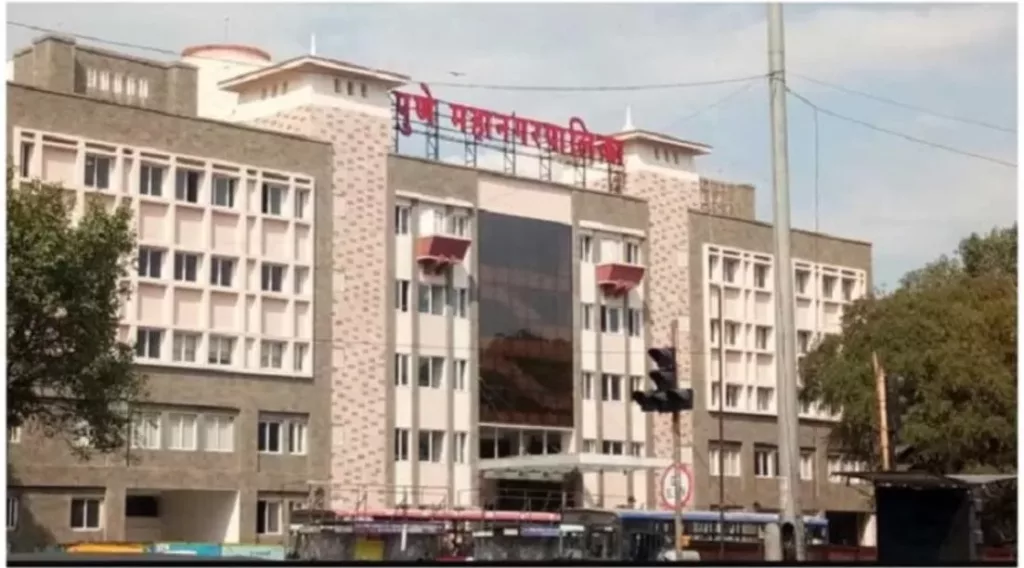
Maharshtra State Government Serious About Pune Municipal Corporation Elections
In Pune, a new regulation requires operators of large food joints to install in-house garbage processing units to retain their food license. Food establishments generating over 100kg of waste daily will be obligated to adhere to the norms for bulk waste generators.
According to the restaurant operators, an in-house set-up for garbage disposal is not possible at smaller joints. Some food joints have tried it, but it did not prove effective.
“Five-star hotels and other big food joints have their own set-up. But small restaurants cannot afford it. It is not practical for them due to lack of space. The PMC should provide ward office-wise processing units. Food joints
“A majority of the food joints hand over their trash to the PMC. They include wet and dry garbage. The administration takes minimal charges from them. But the quantity of the trash generated is very high. So an alternate arrangement must be found,” said Kunal Khemnar, additional commissioner of PMC.

A targeted inspection initiative will be conducted on prominent food destinations such as FC Road, JM Road, DP Road, Koregaon Park, Kalyani Nagar, and Karve Road to assess garbage generation compliance.
Failure to operate the internal processing unit may result in punitive actions against non-compliant establishments.
Before operating big food joints, operators will have to ensure they install the in-house garbage processing unit or they will lose the food license.
All the food joints that generate more than 100kg of waste per day will be made to follow the norms of bulk waste generators. A special inspection drive on popular food destinations like FC Road, JM Road, DP Road, Koregaon Park, Kalyani Nagar and Karve Road will be carried out to check the garbage generation of food joints.
Those who are not operating the internal processing unit will be subject to action such as a fine or losing the food license.
“A majority of the food joints hand over their trash to the PMC. They include wet and dry garbage. The administration takes minimal charges from them. But the quantity of the trash generated is very high. So an alternate arrangement must be found,” said Kunal Khemnar, additional commissioner of PMC.
According to the restaurant operators, an in-house set-up for garbage disposal is not possible at smaller joints. Some food joints have tried it, but it did not prove effective.
“Five-star hotels and other big food joints have their own set-up. But small restaurants cannot afford it. It is not practical for them due to lack of space. The PMC should provide ward office-wise processing units. Food joints in the vicinity will send their trash to those units,” said a hotelier requesting anonymity.
According to PMC officials, the administration will charge premium fees in addition to monthly fees, if the food joints are not able to set up the units and continue to give large quantities of trash to PMC, the administration will approach the Food and Drug Administrator (FDA) for action such as scrapping the food licenses of such food joints.
PMC officials said the civic body has formed an empanelment to guide bulk waste generators. The civic administration finalised 17 agencies for the same. According to a proposal, many housing societies and other establishments want to set up units at their premises. But they don’t have any contact points or expert contacts for guidance.