AC Outdoor Unit Placement: Balcony Or Window? One Small Mistake Can Spike Your Electricity Bill
AC Outdoor Unit Placement: Balcony Or Window? One Small Mistake Can Spike Your Electricity Bill
Wrong compressor placement can increase power consumption by up to 30%, here’s what you need to know
As summer heat intensifies, air conditioners become essential in most homes. But while people focus on buying the right AC, many overlook one critical factor, where the outdoor unit, or compressor, is installed. This small decision can significantly impact cooling performance and electricity bills.

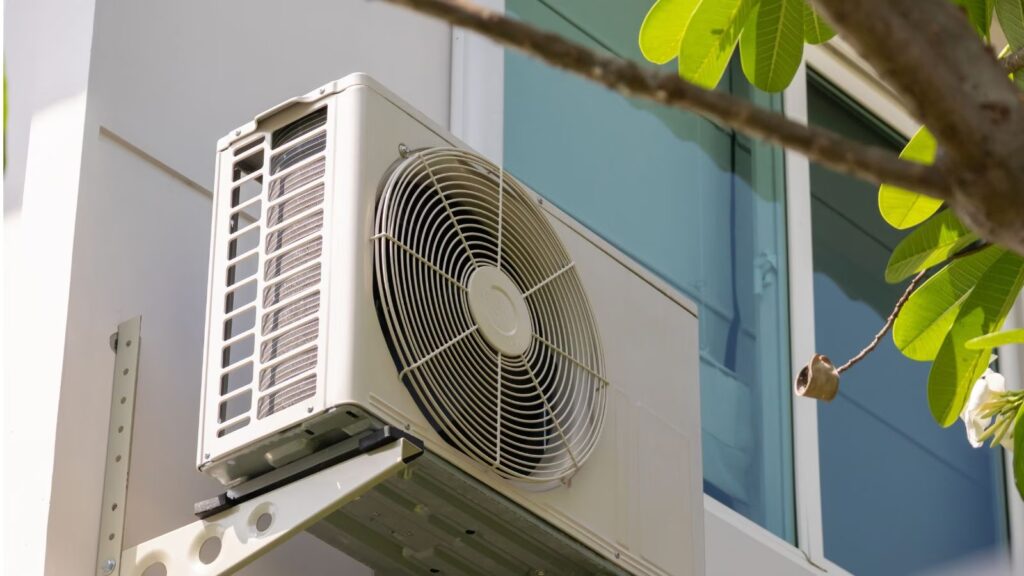
The main job of the AC compressor is to release heat from inside the room to the outside environment. If the unit is placed incorrectly, instead of expelling heat efficiently, it can trap or reabsorb heat, forcing the system to work harder and consume more electricity.
A common mistake is installing the compressor in areas exposed to direct sunlight, such as terraces or open balconies without shade. When the unit heats up due to constant sun exposure, it struggles to dissipate heat effectively. This increases energy consumption by up to 20–30% and can raise electricity bills significantly.

Balconies can be a good option but only if they are well-ventilated. If the balcony is enclosed or lacks airflow, the hot air released by the compressor gets trapped in the same space. This creates a heat build-up, making the AC work harder to cool the room and increasing power usage.
Another key factor is airflow. The outdoor unit should always be placed in an open area with good air circulation. Obstructions like walls, grills, plants, or storage items can block airflow, reducing efficiency and leading to overheating or maintenance issues.
Distance between the indoor and outdoor units also matters. A shorter distance allows better cooling efficiency. If the compressor is installed too far away. For example, on a high terrace the longer piping can reduce gas pressure and put additional strain on the system, increasing electricity consumption.
Experts also warn against placing the unit near heat sources or in confined spaces. Tight or enclosed areas restrict heat dissipation, forcing the compressor to overwork and potentially reducing its lifespan.
For optimal performance, the outdoor unit should ideally be placed in a shaded, well-ventilated location with minimal obstructions. If installation on a terrace is unavoidable, creating a simple shade cover can help protect it from direct sunlight and improve efficiency.
In the end, choosing the right placement is not just about convenience or space, it directly affects how efficiently your AC cools your home and how much you pay in electricity bills every month.
Disclaimer: This article is for general awareness. For installation and technical decisions, consult a certified AC technician or professional.