Air Pollution Crisis: Respiratory Drug Foracort Tops Sales Charts
Air Pollution Crisis: Respiratory Drug Foracort Tops Sales Charts
Air pollution drives demand for respiratory medications, with Foracort outselling traditional market leaders.
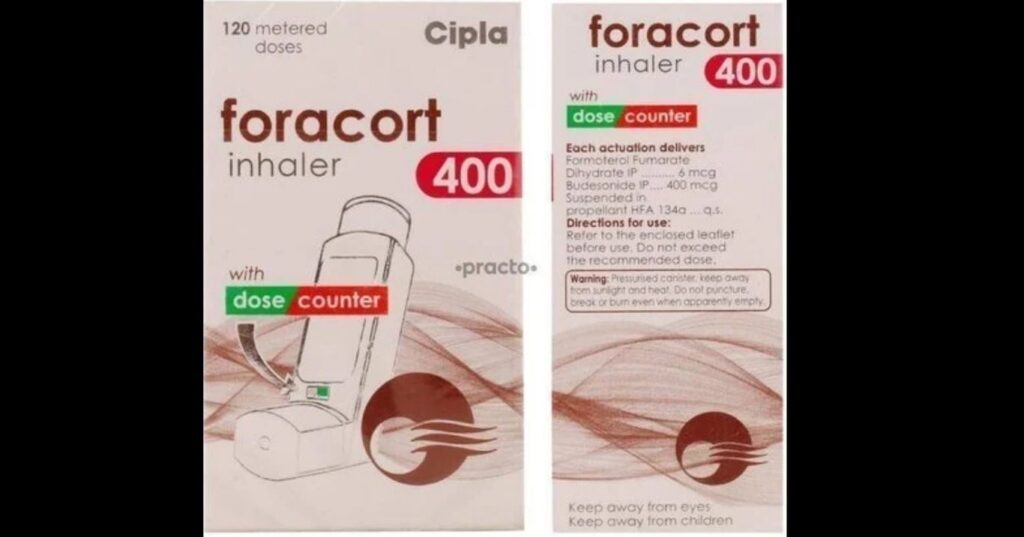
As toxic smog and rising air pollution engulf northern India, respiratory drug Foracort has emerged as the country’s top-selling medication. October saw Foracort, sold as an inhaler, clock sales worth ₹75 crore, overtaking traditionally dominant drugs like Augmentin, a broad-spectrum antibiotic and Glycomet-GP, an antidiabetic.
Foracort, produced by Mumbai-based pharma giant Cipla, is used to treat asthma and chronic obstructive pulmonary disease (COPD). The inhaler combines budesonide, a corticosteroid that reduces airway inflammation, and formoterol fumarate, a bronchodilator that relaxes airway muscles for easier breathing. This dual-action mechanism has made Foracort a preferred choice among patients and clinicians, particularly during pollution surges.
October’s monthly pharma data from IQVIA highlighted sales figures of ₹73 crore for Augmentin and ₹69 crore for Glycomet-GP, placing Foracort at the top. Other respiratory drugs like Duolin and Budecort also showed strong growth, registering ₹48 crore and ₹43 crore in sales, respectively.

Northern India’s air quality has steadily deteriorated. In October, Delhi recorded an average Air Quality Index (AQI) of 364, categorized as “very poor.” By November, AQI levels in Delhi and surrounding areas breached the government’s measurable limit of 500, with some monitors recording figures as high as 1,000.
The World Health Organization (WHO) recommends AQI levels between 0 and 100. Levels above 400 are considered hazardous, with serious long-term health consequences including immune, respiratory, and cardiovascular damage, as well as increased cancer risks.
The COVID-19 pandemic has heightened awareness about lung health, with more patients seeking respiratory care and formal lung function tests. Clinicians report a noticeable rise in patients with acute and chronic respiratory conditions driven by pollution.
According to expert pulmonologist from Amrita Hospital, Faridabad:”An increasing number of patients with acute and chronic respiratory issues due to rising pollution levels are driving the demand for such treatment therapeutics.”
He emphasized that inhalers like Foracort not only manage symptoms effectively but also reduce the risk of hospitalizations, making them indispensable during pollution peaks.
A Deadly Toll of Air Pollution
The link between air pollution and mortality is stark. A 2024 report by The Lancet Countdown on Health and Climate Change highlighted that air pollution caused 16 lakh deaths in India in 2021. Fossil fuels like coal and gas contributed to 38% of these fatalities.
Another Lancet study analyzing data between 2008 and 2019 across 10 Indian cities attributed 7.2% of daily deaths to PM 2.5 exposure, fine particulate matter small enough to enter the bloodstream.
Pharma analysts note that Foracort consistently becomes the top-selling drug between November and January due to pollution-driven respiratory issues. This year, the trend began a month earlier, underscoring the worsening environmental conditions.
With the rise in air pollution, experts anticipate an ongoing increase in demand for respiratory treatments. Initiatives promoting lung health and stricter pollution control measures remain critical to addressing the escalating public health crisis.