Amol Balwadkar Sets Development Agenda for Baner–Balewadi
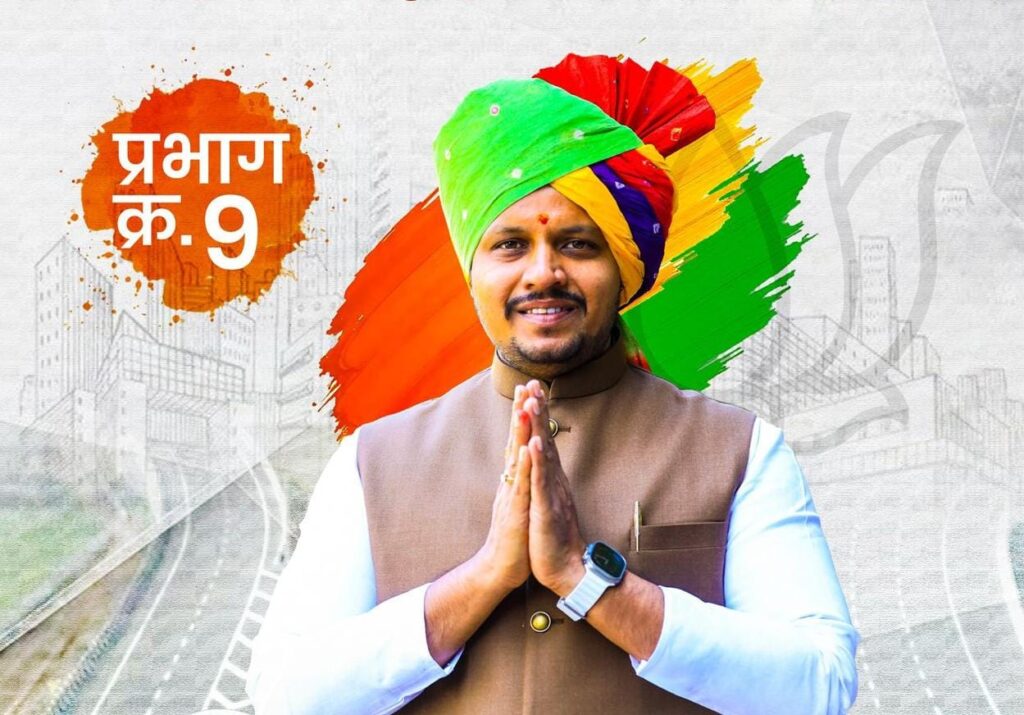
Amol Balwadkar Sets Development Agenda for Baner–Balewadi
In a clear signal of long-term political intent, local public representative Amol Balwadkar has outlined a comprehensive five-year development vision aimed at transforming the Baner–Balewadi belt into a model suburban constituency. The roadmap, shared during his ongoing society interactions, positions civic governance, urban sustainability, and quality of life as central pillars of his political agenda for the rapidly expanding region.
Balwadkar described the vision as a continuation of groundwork already laid, combined with focused policy-driven interventions to address emerging urban pressures. “Development must be practical, people-driven, and future-ready,” he has consistently told residents during his outreach programmes.
Focus on Core Civic Governance

At the heart of the plan is strengthening essential civic systems. After notable progress in stabilising water supply issues in several pockets, Balwadkar’s agenda now shifts towards sustainable water management and long-term sanitation planning. Expansion of the Nirmal Swachhta Abhiyan forms a key political commitment, with proposals to institutionalise cleanliness drives through citizen participation, smart waste-handling mechanisms, and regular monitoring to ensure accountability beyond short-term campaigns.
Traffic Decongestion as a Political Priority
With traffic emerging as one of the biggest voter concerns, Balwadkar has placed mobility reforms high on his agenda. His five-year vision proposes redesigning major junctions, introducing intelligent traffic management systems, improving last-mile connectivity, and encouraging shared transport solutions. The aim, he says, is not temporary relief but structural solutions that reduce daily commuter stress in Baner and Balewadi.
Green Spaces and Community Infrastructure
Balwadkar’s political roadmap places strong emphasis on public spaces, positioning them as essential urban assets rather than cosmetic additions. Proposed initiatives include the development of a large integrated public playground, conversion of vacant land near Balewadi Highstreet into a green public garden, and upgrading a 6–7 acre green patch in Balewadi into a full-scale urban park with walking tracks and seating.
Additionally, the open land near Moze College (Survey No. 34/35) is proposed to be developed as an eco-friendly community zone, reflecting a policy focus on balanced urbanisation.
Upgrading Public Amenities
Addressing everyday civic needs, the vision also includes construction of hygienic public toilets at strategic locations. These facilities are planned with proper water supply, sanitation infrastructure, and maintenance systems, aimed at serving residents, office-goers, and visitors while improving overall urban hygiene standards.
Pashan Lake as a Flagship Political Project
One of the most ambitious commitments in the plan is the rejuvenation of Pashan Lake. Balwadkar has identified the lake’s restoration as a flagship project and has stated his intent to pursue the matter at the highest administrative levels, including seeking intervention and support from the Prime Minister’s Office. The proposal includes ecological restoration, walking paths, biodiversity conservation, and public recreational facilities, positioning the lake as both an environmental and civic asset.
Setting the Political Tone for the Future
Political observers view this five-year vision as an attempt to shift local politics from reactive problem-solving to structured, long-term planning. By combining civic basics with aspirational projects, Balwadkar’s roadmap seeks to define a governance model that is green, efficient, and citizen-focused.
Residents have responded positively to the clarity of the plan, with many seeing it as a welcome move towards transparent and consultative local leadership. The vision is expected to roll out in phases, backed by public feedback, administrative coordination, and sustained political follow-through over the coming years.