Are Sweets and Festive Foods Making Your Cold or Cough Worse? Foods to Rethink During Illness

Are Sweets and Festive Foods Making Your Cold or Cough Worse? Foods to Rethink During Illness
After the festive season, especially following Diwali and Chhath Pooja, many people notice a spike in colds, coughs, and flu. While part of this is due to seasonal changes in the subcontinent, another significant factor is the indulgent eating and late-night celebrations that often leave the immune system running on low. Managing a cold or cough isn’t just about medications—it’s also about what you eat and drink. Certain foods can either support recovery or make symptoms linger longer. Here’s a guide to what to avoid, why, and healthier alternatives to help your body heal.
1 – Sugary Treats: Why Excess Sweetness Can Backfire

Festive sweets, candies, and sugary drinks may taste comforting, but they can slow down your recovery. Research in labs and animal studies suggests that high sugar intake can interfere with immune cell function and increase inflammation, which can make your body less efficient at fighting viruses.

Better choices: Fresh fruits, lightly sweetened yogurt, or stewed fruits can satisfy your sweet tooth without overwhelming your immune system.
2 – Alcohol: A No-Go While Sick

Alcohol is notorious for suppressing multiple parts of the immune system. On top of that, it can dehydrate you and disturb your sleep—both critical for recovery from a respiratory infection. Even small amounts can make symptoms worse, so it’s best to avoid drinking until fully recovered.
Healthier options: Herbal teas, warm broths, or simple water with a squeeze of lemon can keep you hydrated and support healing.
3 – High-Caffeine Beverages: Potential Disruptors

While moderate caffeine usually isn’t harmful, excess coffee or energy drinks can increase urine output and interfere with restful sleep. When your body is fighting a cold or flu, rest is vital, and overconsumption of caffeine can disrupt it.
Alternatives: Decaffeinated teas, warm lemon water with honey, or nourishing broths are gentler on the body.
4 – Heavy and Greasy Foods: Hard to Digest During Illness
Foods rich in fat or deep-fried snacks can be tough on your digestive system, which is already using energy to fight infection. They may cause nausea or discomfort, making it harder to get the nutrition your body needs.
Swap these for: Light, easy-to-digest options like plain rice, simple porridge, or clear vegetable and chicken soups.
5 – Dairy: Not Always the Villain, But Pay Attention
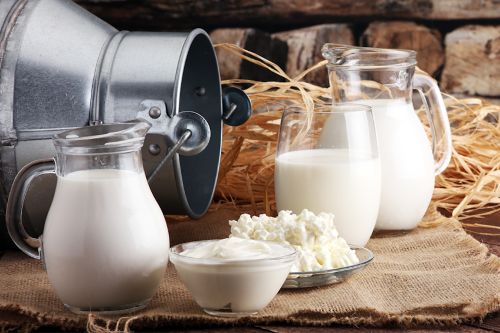
Many people believe milk increases mucus production. Controlled studies suggest this isn’t a problem for most adults, though those with milk sensitivities or asthma may notice thicker phlegm. Yogurt with probiotics can even be soothing if tolerated.
Options: Lactose-free milk, plain probiotic yogurt, or plant-based alternatives if dairy bothers you.
6 – Spicy Foods: Handle With Care
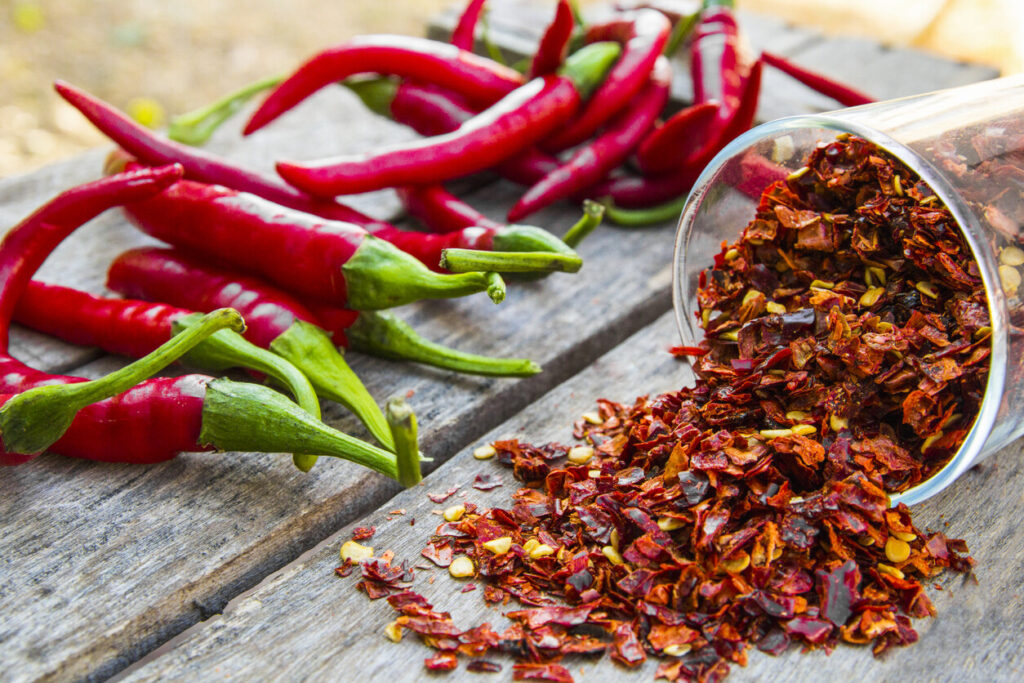
Spices like chili and black pepper can loosen mucus and open nasal passages for some, providing relief. For others, they can irritate the throat or trigger coughing. It’s all about how your body reacts.
Gentle alternatives: Mild soups or broths with ginger and garlic offer anti-inflammatory benefits without aggravating the throat.
7 – Processed and Packaged Foods: Inflammation Triggers
Ultra-processed snacks and ready-to-eat meals are low in nutrition, high in salt, and may worsen inflammation or fluid imbalance. They’re particularly unhelpful if you’re already dehydrated from fever or congestion.
Better choices: Homemade soups, lentils (dal), or khichdi provide nutrients and fluids that support recovery.
Disclaimer: This article is for general informational purposes and does not replace medical advice.