Asia Energy Crisis: Countries Reintroduce Covid-Like Curbs As Oil Supply Hit
Asia Energy Crisis: Countries Reintroduce Covid-Like Curbs As Oil Supply Hit
From work-from-home to fuel rationing, multiple nations take emergency steps amid Hormuz disruption
A deepening energy crisis across Asia has forced several countries to adopt measures reminiscent of the COVID-19 era, as disruptions in oil supply triggered by the ongoing Iran conflict begin to impact economies and daily life.
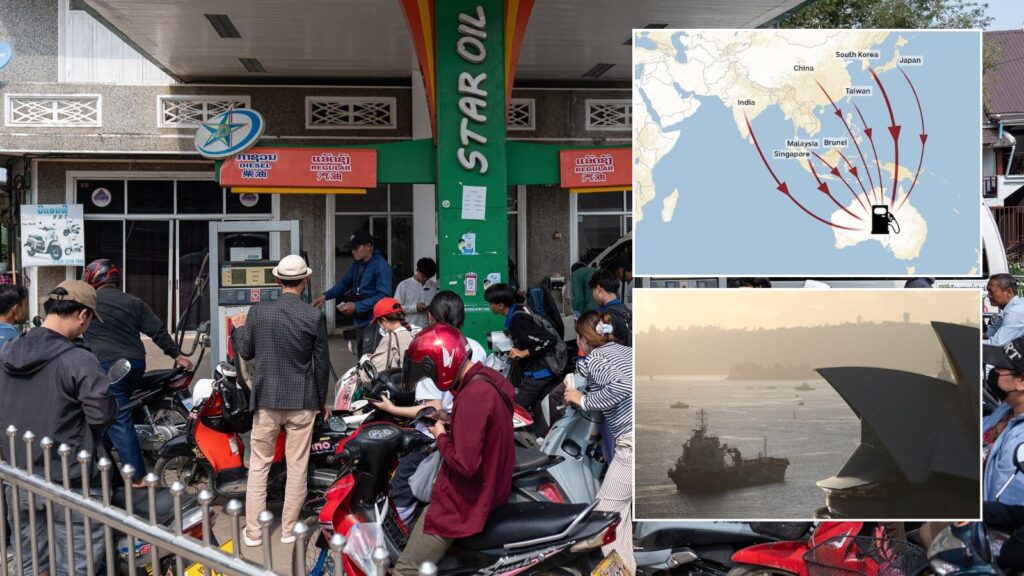
The situation has intensified after the Strait of Hormuz — a critical global oil route — faced major disruptions. The route supplies a significant portion of crude oil to Asian countries, and any blockage has immediate ripple effects across the region. With over 80% of crude passing through this corridor destined for Asia, the crisis has placed multiple nations under pressure.
Countries are now responding with a mix of restrictions, rationing and emergency policies to manage fuel shortages and rising prices.

Pakistan has taken some of the most stringent steps so far. Public sector employees have shifted to a reduced work week, while schools and universities have been shut for two weeks. Reports suggest that nearly 90% of its oil imports have been impacted, with petrol and diesel prices surging sharply.
In Bangladesh, authorities have warned that fuel reserves may last only 9 to 14 days. The government has moved classes online and introduced daily power cuts to conserve energy, while prioritising critical industries such as textiles.
Sri Lanka has introduced fuel rationing measures, including a weekly cap on petrol and diesel purchases and mandatory public holidays to reduce consumption. A QR-based system has also been implemented to control fuel distribution.
The Philippines has declared a national energy emergency, warning citizens about limited fuel availability. Similarly, countries like Thailand, Vietnam and Indonesia are considering or implementing remote work policies and reduced travel to cut energy use.
In East Asia, Taiwan has flagged concerns over limited LNG reserves, while Japan has approached global agencies to release oil from strategic reserves. South Korea is exploring restrictions and urging citizens to reduce energy consumption.
Governments across the region are also encouraging behavioural changes such as reduced travel, limited electricity use and remote working — strategies widely seen during the pandemic. At the same time, some countries are rolling out subsidies and financial support to cushion the impact of rising fuel prices.
In India, while there is no immediate shortage, authorities have urged states to prevent panic buying and hoarding amid rumours of a crisis. The country has diversified its energy imports, increasing sourcing from multiple nations to maintain stability.
The unfolding situation highlights how global conflicts can quickly disrupt essential supply chains. As the crisis continues, Asian economies face the challenge of balancing fuel availability, inflation and economic stability without triggering widespread disruption.