Avoid Planting These 7 Trees Near Your House to Prevent Costly Damage
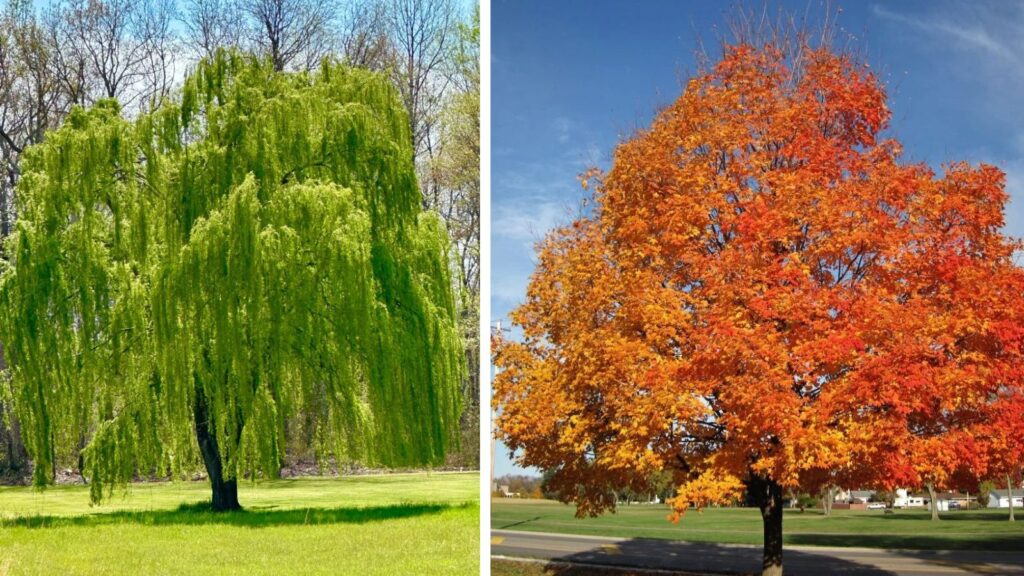
Avoid Planting These 7 Trees Near Your House to Prevent Costly Damage
Beautiful landscaping can enhance any home, but some plants can cause serious damage if planted too close to walls or foundations. Strong roots, heavy debris, or fast-spreading growth can harm buildings, block gutters, or invade underground pipelines. Experts advise keeping the following seven plant species at a safe distance from houses:
1. Bamboo (Running Varieties)

Running bamboo spreads aggressively through underground rhizomes that can travel beneath patios, floors, and concrete slabs. Once it takes hold, it becomes extremely difficult to remove and can damage foundations, pavements, and underground utilities.

2. Oak Trees (Large Varieties)
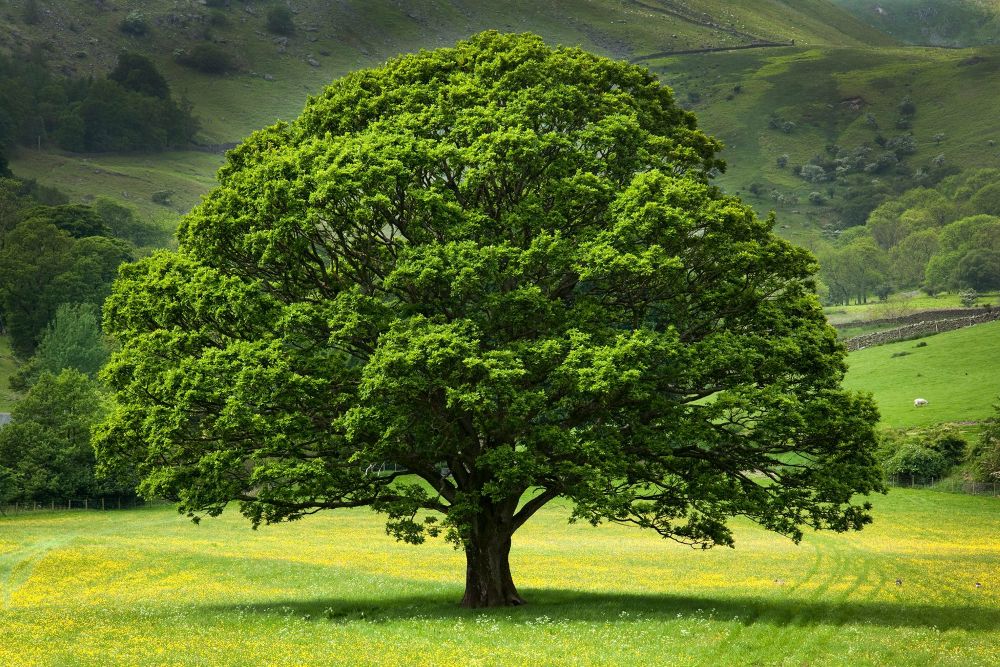
Large oak species grow massive root systems and broad canopies. Their roots can disturb pavements and shallow foundations, while mature trees may drop heavy branches during storms, posing a risk to nearby homes.
3. Silver Maple
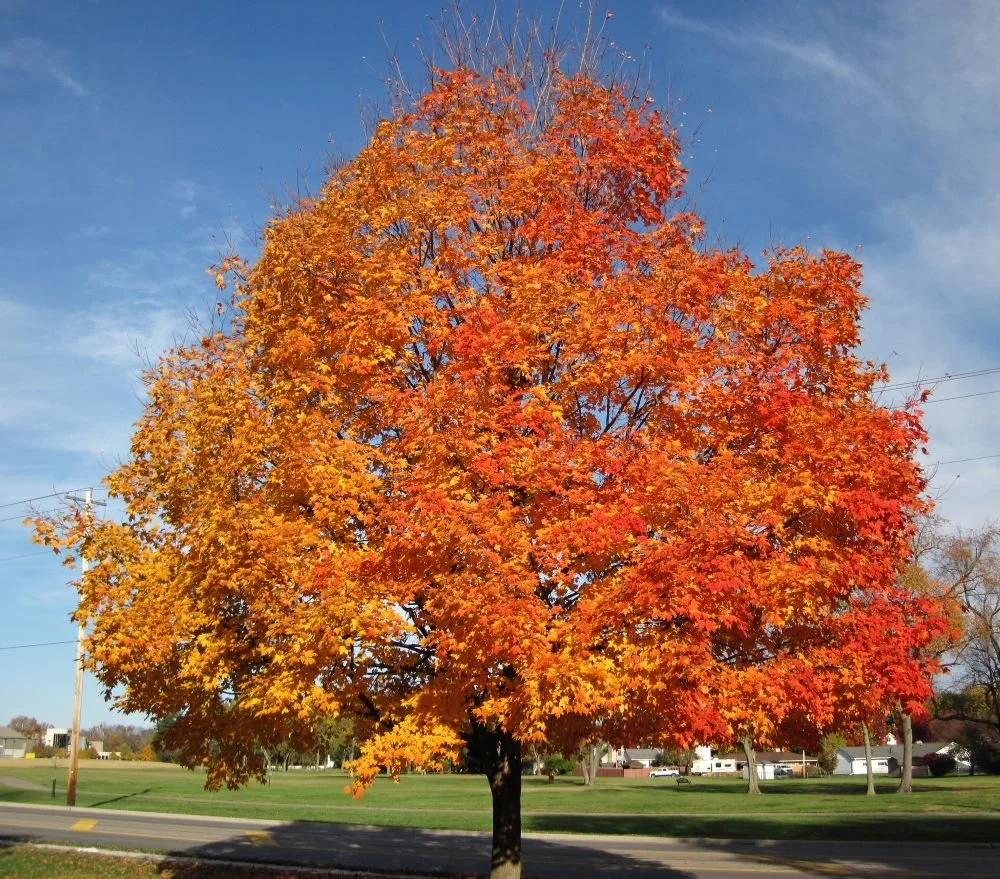
Silver maples have fast-growing roots that spread close to the surface. These roots can lift sidewalks, damage pipes, and weaken foundations. Their leaves and twigs also collect in gutters, causing drainage and moisture problems.
4. Willow Trees
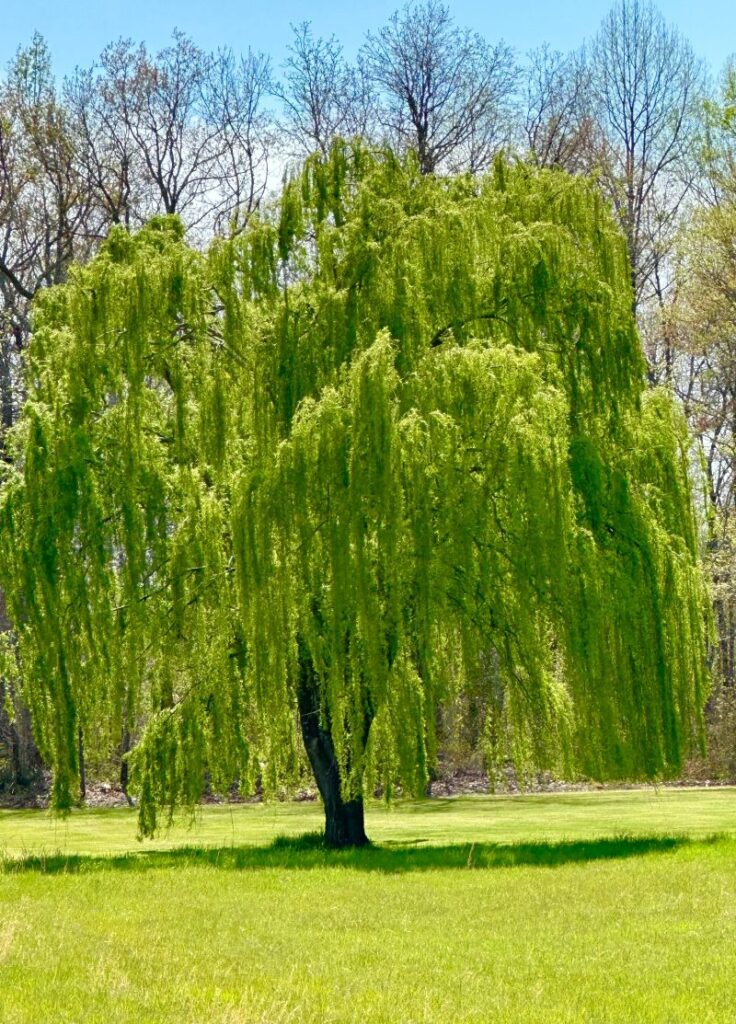
Willow roots are extremely strong and spread widely in search of water. When planted too close to a house, they can crack concrete, break pipes, and pull moisture from soil beneath the foundation, increasing the risk of structural damage.
5. Black Walnut
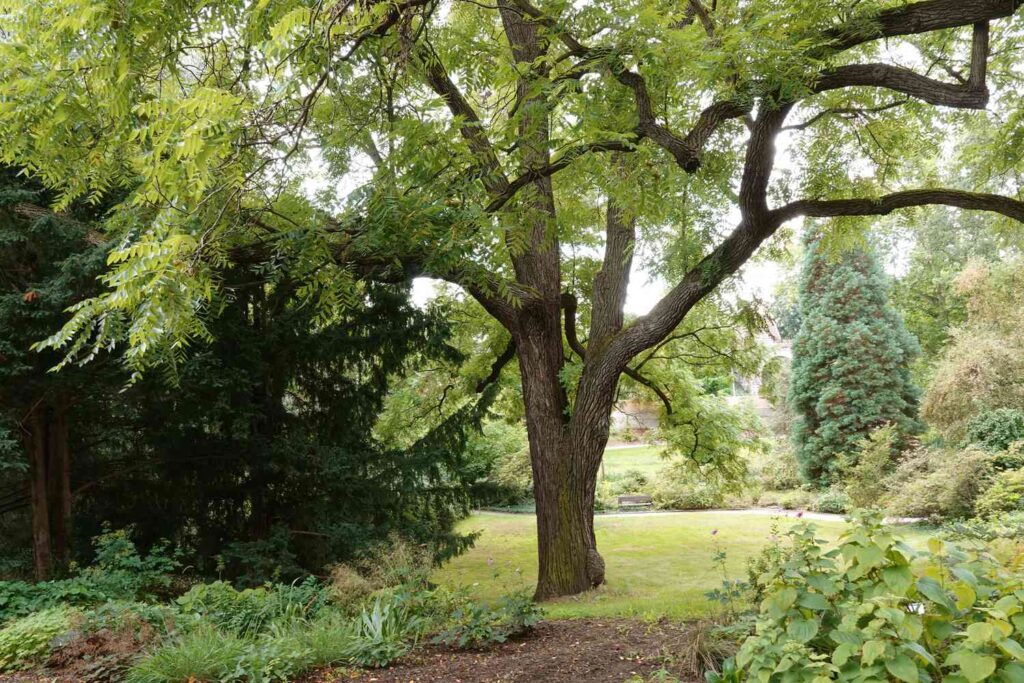
Black walnut trees have deep, invasive roots that can damage pavements, pipes, and foundations. They release juglone, a chemical toxic to many plants, and their heavy nuts can cause damage to roofs, cars, and gutters.
6. Poplar Trees
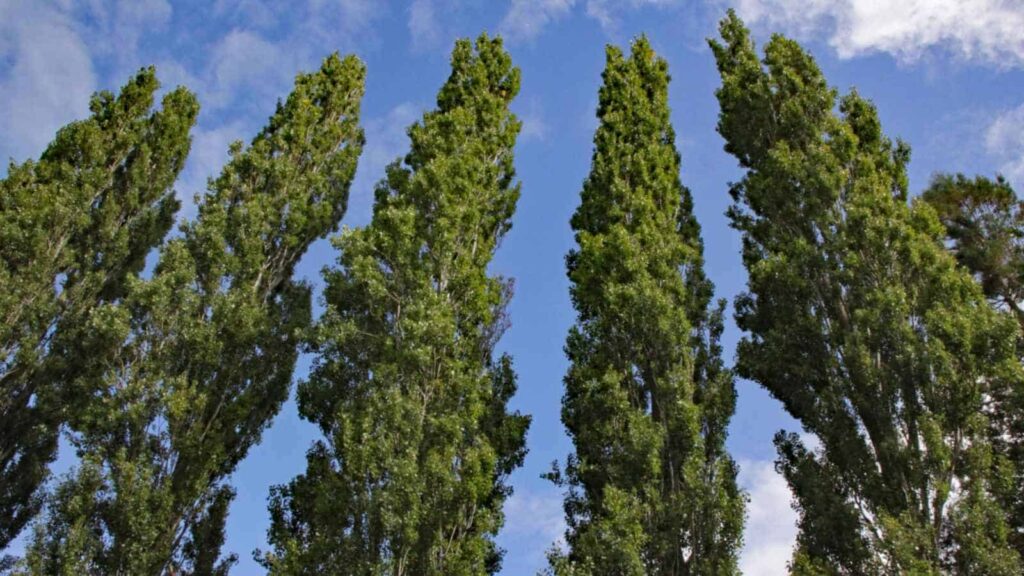
Poplars grow tall very quickly, but their roots invade drainage systems, cables, and building foundations. They also shed a large amount of leaves and branches, creating debris that clogs gutters and traps moisture around the house.
7. Eucalyptus Trees
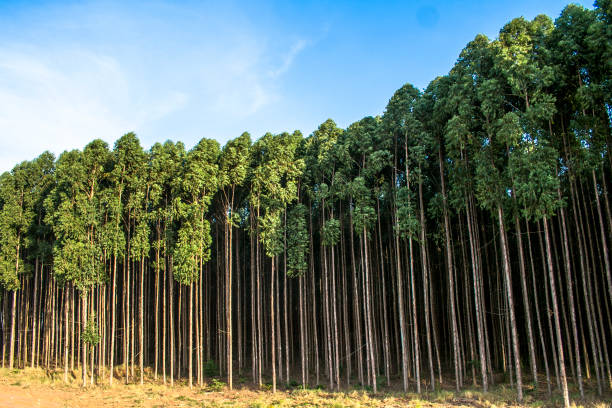
Some eucalyptus species have moisture-seeking roots that can affect soil stability, especially in clay-rich areas. They also shed bark and branches frequently, creating extra maintenance issues near homes.
Experts note that these plants are not problematic when planted far from structures, but they should not be placed too close to houses to avoid long-term structural and maintenance issues.