Benne Dosa Vs Regular Dosa: What Sets Them Apart In Taste, Texture And Nutrition
From buttery indulgence to everyday comfort, here’s how two popular dosa varieties differ despite sharing the same roots
Dosa, a staple of South Indian cuisine, may look similar across varieties, but subtle changes in preparation and ingredients create distinctly different experiences. Among the most talked-about comparisons is between benne dosa and regular dosa—two versions that reflect contrasting styles of cooking, taste, and nutrition.
At the core, both dosas are made using a fermented batter of rice and urad dal. However, the difference begins with how this batter is prepared. Benne dosa typically uses a slightly higher proportion of urad dal and is fermented longer, resulting in a softer base. Regular dosa, on the other hand, follows a more balanced ratio and is designed for a thinner, crispier finish.

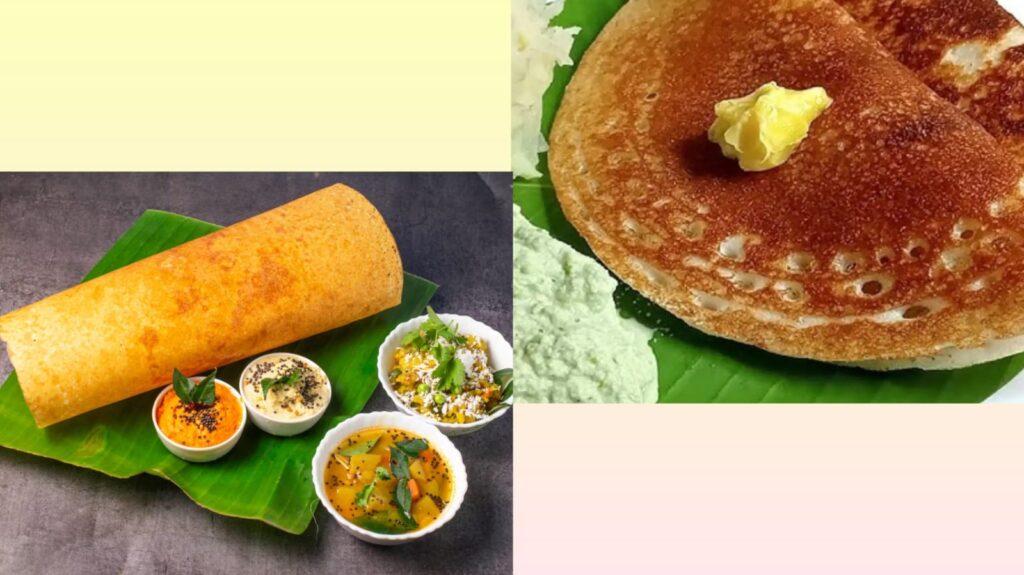
The biggest distinction lies in the cooking method. Benne dosa is prepared using generous amounts of white butter, which gives it a rich, aromatic flavour and a unique texture—crispy on the outside but soft and fluffy inside. Regular dosa is cooked with minimal oil or ghee, making it lighter and more uniform in crispness.
Taste is another key factor that separates the two. Benne dosa offers a buttery, slightly sweet and roasted flavour profile, often appealing to those who prefer richer food. In contrast, regular dosa carries a mildly tangy taste due to fermentation, with a cleaner and lighter finish.
The way these dosas are served also highlights their differences. Benne dosa is usually paired with simple accompaniments like coconut chutney and mild potato palya, allowing its flavour to stand out. Regular dosa is more versatile and is commonly served with sambar, chutneys, and spiced potato filling, making it a complete meal option.
Nutritionally, the difference is significant. The heavy use of butter in benne dosa increases its calorie and fat content, making it more indulgent. Regular dosa, with minimal oil, is comparatively lower in calories and better suited for regular consumption.
As food preferences evolve, both varieties continue to hold their place on menus across India. While benne dosa remains a favourite for those seeking a rich, satisfying experience, regular dosa continues to be the go-to choice for a light and balanced meal.
Disclaimer: Nutritional values may vary based on preparation methods and ingredients used. For specific dietary needs, consult a nutrition expert.