Beware: Borrowing Cash from a Friend Could lead to 100% Income Tax Penalty
Beware: Borrowing Cash from a Friend Could lead to 100% Income Tax Penalty
Rules tighten around large cash transactions; go digital to stay compliant
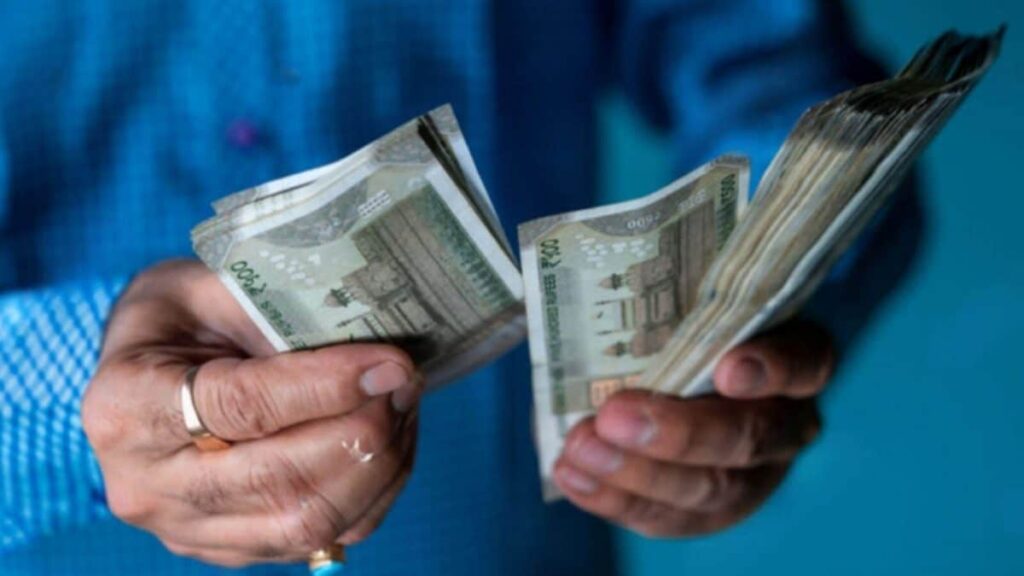
The Income Tax Department has tightened its grip on large cash transactions, with penalties that could cost you as much as the amount you receive. From borrowing money to making donations, taxpayers are being urged to use digital payments or risk steep consequences.
Loans & Repayments
Under Section 269SS of the Income Tax Act, accepting ₹20,000 or more in cash as a loan, deposit, or advance is prohibited. Violations attract a penalty under Section 271DA, equal to 100% of the amount.
For example, Tax advisory platform TaxBuddy highlighted the case of Rahul, who borrowed ₹1.2 lakh in cash from a friend. Since this breached Section 269SS, Rahul could face a penalty of ₹1.2 lakh, the full amount.

Similarly, Section 269T bars repayment of loans or deposits worth ₹20,000 or more in cash. Here too, the penalty can equal the entire amount repaid.
Daily Transaction Limits
Rules are equally strict for businesses. Any cash payment exceeding ₹10,000 to a single person in a day will not be allowed as a deductible expense, raising the tax burden on business owners.
In addition, under Section 269ST, receiving ₹2 lakh or more in cash from one person in a single day, or in connection with a single transaction or event, is prohibited. The penalty is 100% of the amount received.
Donations & Insurance
Tax benefits can also be lost if payments are made in cash. Donations above ₹2,000 are not eligible for deduction under Section 80G, while health insurance premiums must be paid digitally to claim benefits. The only exception is preventive health check-ups, where up to ₹5,000 in cash is allowed.
Large Withdrawals
Even bank withdrawals can come under the scanner. Cash withdrawals above ₹1 crore in a year attract a 2% TDS. For those who haven’t filed income tax returns in the last three years, the rule is even stricter: a 5% TDS applies on withdrawals over ₹20 lakh annually.
Go Digital, Stay Safe
With so many restrictions in place, experts advise taxpayers to shift to digital payments—UPI, NEFT, RTGS, cheques, or bank transfers, to stay compliant.
“Every large cash transaction is being monitored. Going digital is not just safer but also smarter,” said a senior tax consultant.