Bhandara Dongar: Where Devotion Meets Heritage on a Hill Near Talegaon
Bhandara Dongar: Where Devotion Meets Heritage on a Hill Near Talegaon
Just a short drive from Pune lies Bhandara Dongar, a sacred hill that offers a rare confluence of spiritual devotion, historical significance, and natural beauty. Also known as Bhandara Hill, this serene destination near Induri village in Talegaon Dabhade is a hidden gem for pilgrims, trekkers, and history enthusiasts alike.
A Spiritual Sanctuary of Sant Tukaram Maharaj
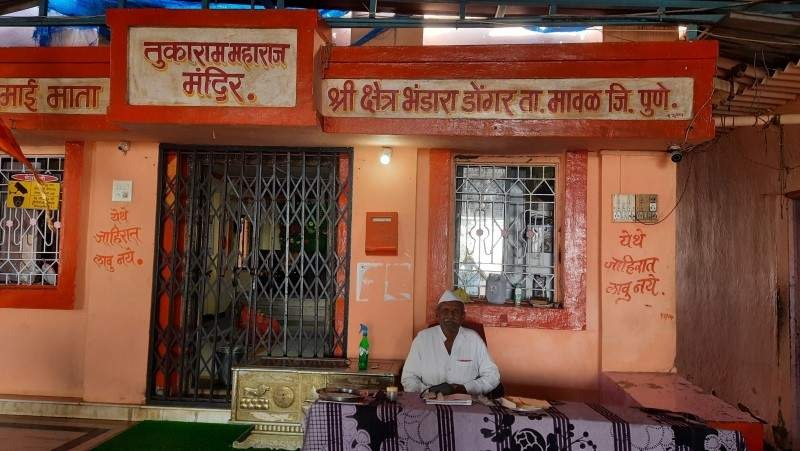
At the hilltop stands a modest yet revered temple dedicated to Sant Tukaram Maharaj, one of Maharashtra’s most celebrated Varkari saints. It is said that Sant Tukaram often visited this tranquil spot to write his deeply spiritual abhangas (devotional poems). Enchanted by nature’s quietude, he chose this hill as a sacred retreat for reflection and composition.
Today, the Bhandara Dongar Trust is developing a grand new temple complex to honor the saint’s memory. The temple’s base structure is already complete, and visitors can view a prototype image near the main entrance. Planned facilities include ample parking space, accommodation for pilgrims, and better access routes, making the site more inviting and accessible for spiritual seekers.

A Grand Vision Unfolding: Sant Tukaram Maharaj Temple at Bhandara Dongar
Slated for completion by 2025, the upcoming Sant Tukaram Maharaj Temple atop Bhandara Dongar is set to become a stunning architectural and spiritual landmark in Maharashtra. Designed with a fusion of traditional aesthetics and modern structural finesse, this temple will span a majestic 179 feet in length, 193 feet in width, and rise to a height of 87 feet, making it one of the most expansive temples in the region.
A standout feature of the temple is its distinctive architecture, reflecting deep symbolic roots. The structure will incorporate three grand sacred pitcher domes along with 17 smaller, each representing spiritual completeness and devotion. The interior and exterior of the temple will be adorned with exquisitely carved sculptures and motifs, showcasing 2,200 intricately designed idols on the outer pillars alone, each narrating a piece of devotion, mythology, and culture.
At the heart of the temple will be the sanctum housing the idols of Lord Vitthal-Rukmini and Sant Tukaram Maharaj, revered figures in the Varkari tradition. A spacious circumambulatory path (pradakshina marg) has been planned for devotees, encouraging mindful walking and spiritual reflection. Adding to the temple’s sacred environment, the layout includes a Shringar Chowk (ceremonial courtyard) and a thoughtfully preserved Nandurki tree, both of which hold cultural and spiritual significance.
Constructed using premium Bansi Paharpur pink sandstone and white marble, the temple promises both durability and a timeless aesthetic appeal. The project is estimated to cost between ₹200–₹225 crore, with financial support being sourced from devotees and well-wishers. Contributions are welcomed as an offering towards this monumental symbol of devotion, unity, and heritage.
Once completed, the temple will not only serve as a center for spiritual gatherings and pilgrimages, but also as a cultural beacon, preserving the legacy of Sant Tukaram Maharaj for generations to come.
Lost in Time: Hidden Buddhist Caves
Adding a fascinating layer of history to Bhandara Dongar is a set of ancient rock-cut Buddhist caves, believed to be nearly 1,800 years old. Archaeological investigations during the 19th and 20th centuries suggest that these caves were crafted by monks and nuns, possibly for meditation and communal living. These caves are a remarkable example of early Buddhist rock-cut architecture, though still relatively unknown to the general public.
Walking through these lesser-known caves offers not only a sense of historical wonder but also a quiet, meditative space away from the crowd. These silent, timeworn chambers connect visitors to a forgotten past steeped in spiritual practice and ascetic simplicity.
Monsoon Magic and Scenic Treks
Bhandara Dongar transforms into a verdant paradise during the monsoon, making it a perfect spot for a peaceful trek. The route to the summit is surrounded by lush greenery, refreshing breeze, and panoramic views of the Dehu-Talegaon region. Whether you’re a nature lover, spiritual seeker, or casual traveler, the hill offers a rejuvenating experience.
Nearby Attractions
- Induri Fort: Located just 3 km from Talegaon and around 36 km from Pune, this lesser-visited fort is perfect for history buffs.
- Dehu Gaon: A town associated with Sant Tukaram’s early life and Varkari traditions.
- Indrayani River: The river that flows through Dehu and Talegaon, adding to the region’s spiritual ambiance.
How to Reach
- By Road: Bhandara Dongar is easily accessible via the Talegaon–Chakan Road. You can drive or hire a taxi from Pune or Talegaon.
- By Train: The nearest railway station is Talegaon, well-connected by local trains from Pune.
- By Bus: Regular buses are available from Pune to Talegaon. From there, local transport or auto-rickshaws can take you to the base of the hill.
Timings and Entry
- Open: Daily from 6:00 AM to 8:00 PM
- Entry Fee: Free
- Best Time to Visit: July to February (especially during the monsoon and winter months)
Visitor Guidelines
- Maintain silence and respect the spiritual atmosphere.
- Avoid littering; use designated dustbins.
- Wear modest clothing and remove footwear before entering temple areas.
- Avoid exploring the caves alone or after dark due to uneven terrain.
- Photography is allowed but avoid flash inside sacred spaces.
Bhandara Dongar is more than just a hill, it’s a living storybook of devotion, history, and peace. Whether you’re tracing the spiritual footsteps of Sant Tukaram Maharaj or discovering forgotten Buddhist relics, the experience promises to stir both heart and mind.