CCPA Fines Storia Foods and Mrs Bectors ₹1 Lakh Each for Misleading ‘100%’ Product Claims
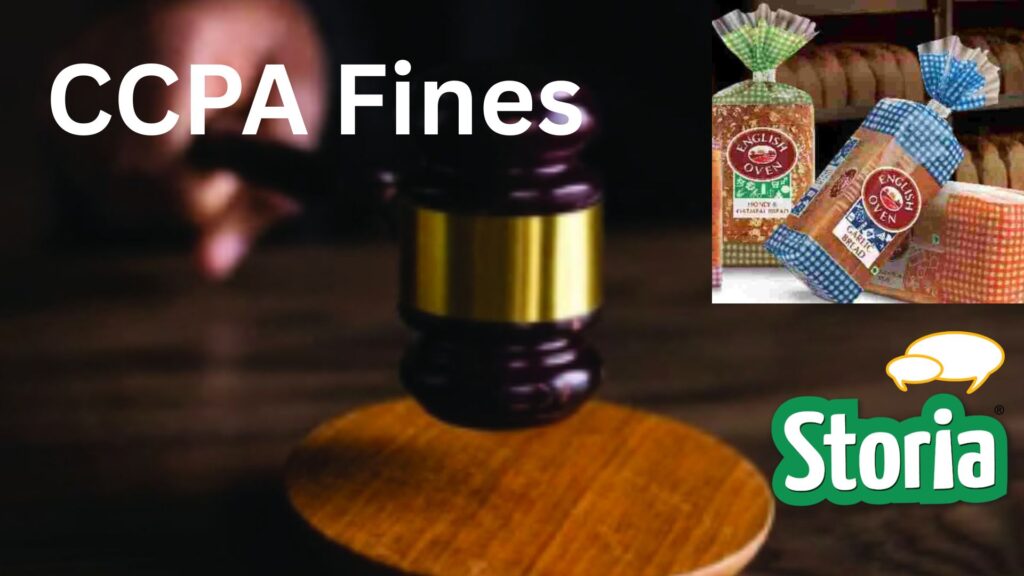
CCPA Fines Storia Foods and Mrs Bectors ₹1 Lakh Each for Misleading ‘100%’ Product Claims
New Delhi, June 22, 2026: The Central Consumer Protection Authority (CCPA) has imposed penalties of ₹1 lakh each on Storia Foods and Beverages Pvt. Ltd. and Mrs Bectors Food Specialities Ltd for allegedly misleading consumers through the use of “100%” claims on their food products.
The consumer watchdog has also directed both companies to immediately discontinue the disputed claims from product packaging, websites, advertisements, and digital platforms.

According to the Ministry of Consumer Affairs, Food and Public Distribution, the action was taken under the provisions of the Consumer Protection Act, 2019, and the Guidelines for Prevention of Misleading Advertisements and Endorsements for Misleading Advertisements, 2022.

‘100%’ Must Reflect Actual Product Composition
The CCPA stated that the term “100%” is an absolute and precise representation that must accurately reflect the composition of a product.
“The term ‘100%’ is a precise and absolute numerical expression and must correspond exactly with the factual composition of the product,” the authority said.
The order against Storia Foods was issued on June 18, while the order against Mrs Bectors Food Specialities was issued on June 9.
Action Against Storia Foods
The regulator initiated a suo motu examination of advertisements for several Storia products, including “100% Tender Coconut Water” and various “100% Juice” variants such as mango, pomegranate, mixed fruit, and guava chilli.
The CCPA found that the company’s “100% Tender Coconut Water” was prepared using coconut water concentrate reconstituted with water, while this information was disclosed only in fine print on the ingredient panel.
The authority further noted that the product contained preservative INS 202, making the accompanying claim of “100% Natural Tender Coconut Water” misleading.
Similarly, products marketed as “100% Juice” were found to contain varying quantities of water, fruit concentrates, and pulp rather than being composed entirely of the fruit highlighted on the packaging.
Mrs Bectors’ Bread Claims Under Scrutiny
In the case of Mrs Bectors Food Specialities, the regulator examined claims such as “100% Atta Bread” and “100% Whole Wheat Bread” used on packaging, advertisements, and social media platforms.
During the proceedings, the company reportedly acknowledged that the bread products contained approximately 87% whole-wheat flour.
The CCPA concluded that a product containing 87% whole-wheat flour could not be advertised as “100% Atta Bread” or “100% Whole Wheat Bread.” It further observed that the simultaneous use of claims such as “100% Whole Wheat” and “Zero Maida” could lead consumers to believe the product consisted entirely of whole-wheat flour.
The company argued that “100% Atta” was intended to indicate that wheat flour was the sole grain source used in the bread. However, the regulator rejected this explanation, stating that advertisements must be evaluated from the perspective of an average consumer and that post-facto interpretations cannot override the impression created by marketing messages.
Wider Crackdown on Misleading Advertisements
The latest action is part of the CCPA’s broader efforts to curb exaggerated, unsubstantiated, and potentially misleading claims in the food and consumer goods sector.
The authority reiterated that claims related to product composition, quality, nutritional value, or health benefits must be truthful, verifiable, and capable of substantiation. The ruling is expected to set a stricter compliance benchmark for advertisers using absolute claims in product marketing.